
Zepbound and pregnancy: what to know
Zepbound and pregnancy are not recommended together. If you are pregnant or planning pregnancy, talk with your clinician about other options.
Key facts
- Tirzepatide + B12 is $169/month (billed $169 every 4 weeks), charged only after a clinician approves it.
- Answer a few health questions online. A licensed clinician reviews them. If approved, it ships to your door.
- Adults 18 or older. A licensed clinician reviews your health history and decides whether treatment is appropriate for you. Availability depends on the state you live in.


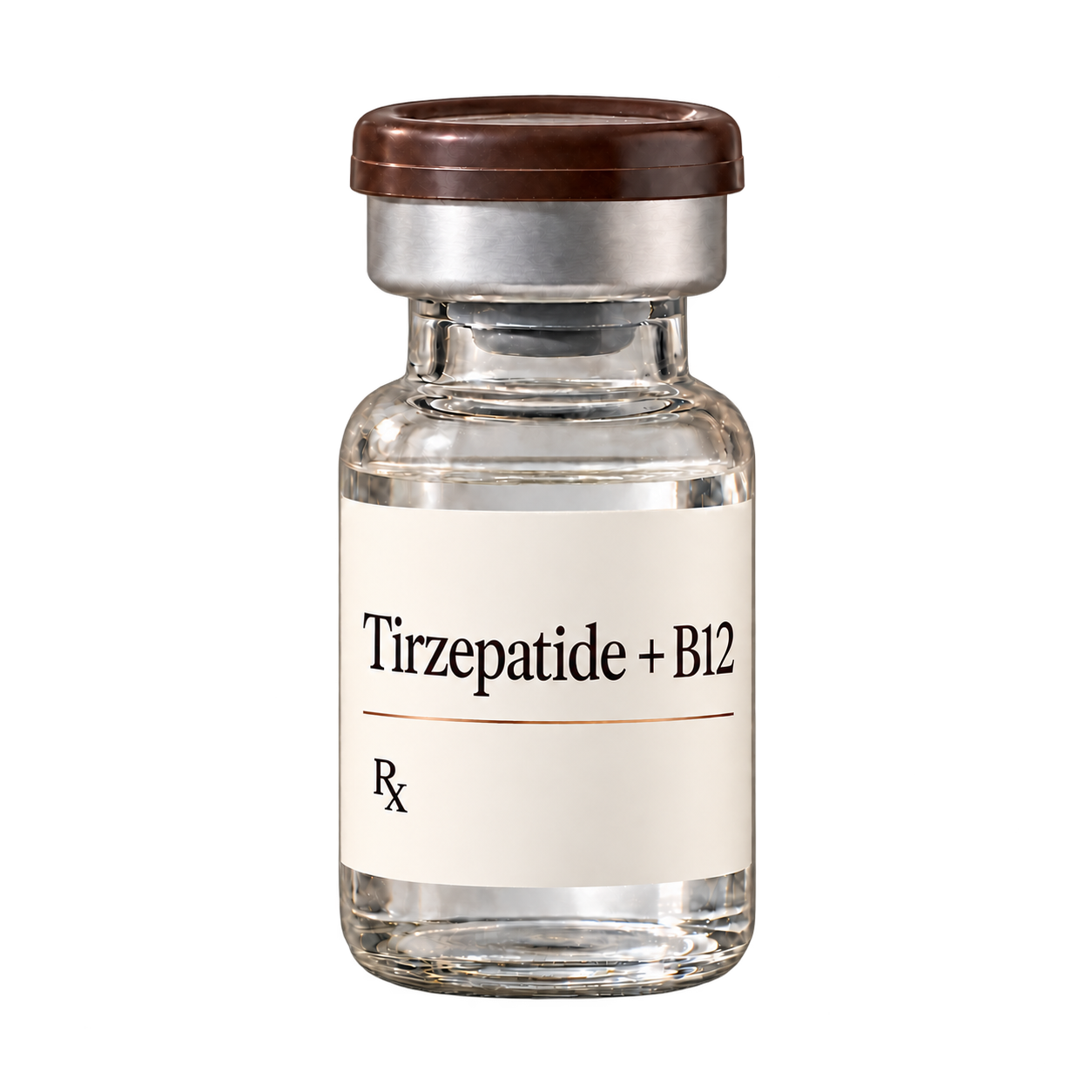
Zepbound (tirzepatide) is a weekly injectable medicine used for chronic weight management, but it is not recommended during pregnancy. If you are pregnant, trying to conceive, or could become pregnant, the safest next step is to talk with your prescribing clinician about stopping and choosing an alternative plan. This page explains what the label says about tirzepatide and pregnancy, what to do if pregnancy happens while you are on it, and when to seek urgent care.
- Zepbound and pregnancy are not recommended; stop and contact your prescriber if you become pregnant.
- Animal studies with tirzepatide showed embryo fetal harm at exposures relevant to humans.
- If you could become pregnant, discuss contraception and pregnancy planning before starting tirzepatide.
- If you are breastfeeding, ask your clinician about risks and alternatives because human data are limited.
Can you take Zepbound during pregnancy?
Why the label is cautious
Weight loss offers no benefit during pregnancy, and the medication may pose risk to the fetus. In animal reproduction studies, tirzepatide caused embryo fetal harm at clinically relevant exposures.
If pregnancy happens
Do not try to manage this on your own. Your clinician can confirm pregnancy timing, review other medicines, and help you transition to a pregnancy appropriate plan for nutrition, weight, and blood sugar goals if needed.
If you are planning pregnancy
Bring up pregnancy plans before starting or continuing tirzepatide. Your clinician may recommend stopping in advance because the medicine stays in the body for weeks after the last dose.
Zepbound, tirzepatide, and pregnancy: details that matter
- Active ingredient
- Tirzepatide
- What the label says about pregnancy
- Not recommended during pregnancy; embryo fetal harm seen in animal studies.
- Why weight loss is a concern
- Weight loss offers no benefit in pregnancy and may harm the fetus.
- How long it can remain in the body
- It can take up to about 30 days for most tirzepatide to be gone after stopping.
Human pregnancy data are limited
The prescribing information notes that available data in pregnant people are insufficient to evaluate for a drug associated risk of major birth defects, miscarriage, or other adverse outcomes. Because of this uncertainty, the label recommends avoiding use in pregnancy.
What animal studies found
In animal reproduction studies, tirzepatide exposure during organ development was associated with fetal growth reductions and fetal abnormalities. These effects occurred at exposures relevant to humans and were often accompanied by reduced maternal food intake and weight loss.
Contraception and oral birth control
Tirzepatide slows stomach emptying, which can reduce absorption of oral medications. The label warns that oral hormonal contraceptives may be less effective after starting tirzepatide and after each dose escalation, and recommends switching to a non oral method or adding a barrier method for a period of time.
Breastfeeding
It is not known whether tirzepatide is present in human milk, affects the breastfed infant, or affects milk production. Your clinician can help weigh the benefits of breastfeeding against the mother’s need for treatment and any potential infant risks.
Compounded tirzepatide is different
Some people look for compounded tirzepatide instead of the brand product. Compounded medications are not FDA approved, and pregnancy and lactation safety considerations still apply, so you should discuss risks with a licensed clinician.
| Situation | What to discuss with your clinician | Why it matters |
|---|---|---|
| You are pregnant now | Stopping tirzepatide, prenatal care coordination, and safer alternatives | The label does not recommend use during pregnancy |
| You might become pregnant | Contraception plan, especially if using oral birth control | Tirzepatide can reduce oral contraceptive effectiveness after start and dose increases |
| You are planning pregnancy | When to stop and how to transition your weight or metabolic plan | Most drug can remain for weeks; label notes up to about 30 days |
| You are breastfeeding | Whether to avoid tirzepatide and what alternatives fit your goals | Human milk data are unknown |
When to contact a clinician or seek urgent care
Positive pregnancy test
Contact your prescribing clinician promptly if you think you are pregnant or have a positive test while using tirzepatide. They can advise on stopping and coordinate next steps with your pregnancy care team.
Severe vomiting or dehydration
Seek urgent care if you cannot keep fluids down, feel faint, have signs of dehydration, or have persistent vomiting. Pregnancy can increase dehydration risk, and severe gastrointestinal symptoms can become dangerous quickly.
Severe belly pain
Get urgent evaluation for severe, persistent abdominal pain, especially if it radiates to your back or comes with vomiting. This can be a sign of pancreatitis, which is a serious risk listed for tirzepatide.
Right upper belly pain or fever
Contact a clinician urgently for right upper abdominal pain, fever, or yellowing of the skin or eyes. These can be signs of gallbladder problems, which have been reported with GLP-1 based medicines including tirzepatide.
Allergic reaction symptoms
Call emergency services for trouble breathing, swelling of the face or throat, or widespread rash. Serious hypersensitivity reactions have been reported with tirzepatide.
Practical tips if pregnancy is possible
Ask about contraception options
If you use oral birth control, ask whether you should switch or add a barrier method during changes in tirzepatide dosing.
Plan before you stop
Ask what to do about appetite changes, nausea, and weight changes after stopping, especially if you have diabetes risk factors.
Do not self adjust doses
If you are worried about pregnancy risk, contact your prescriber rather than changing how you take the medication.
Document timing
Write down your last injection date and any dose changes to share with your pregnancy care team.
Use one trusted care team
Try to coordinate between your prescriber and OB GYN so advice is consistent and safe.
Frequently Asked Questions
Can you take Zepbound during pregnancy?
Zepbound (tirzepatide) is not recommended during pregnancy. The label cites animal data showing embryo fetal harm and notes that weight loss offers no benefit in pregnancy. Contact your prescriber promptly if pregnancy occurs while using it.
Zepbound pregnancy: what if I find out I am pregnant?
Contact your prescribing clinician as soon as possible so they can advise on stopping and coordinate care. Do not try to adjust dosing on your own. Your clinician can also review other medicines and contraception timing.
Does Zepbound affect birth control?
Yes, the label warns tirzepatide can reduce absorption of oral hormonal contraceptives because it slows stomach emptying. It recommends switching to a non oral contraceptive method or adding a barrier method for a period after starting and after each dose increase.
How long does tirzepatide stay in your system if you are trying to conceive?
The prescribing information notes it can take up to about 30 days for most tirzepatide to be eliminated after stopping. Because of that, pregnancy planning should be discussed in advance with your clinician. They can advise on timing based on your situation.
Is compounded tirzepatide the same as Zepbound in pregnancy?
No. Zepbound is a brand product, while compounded tirzepatide is prepared by a pharmacy for an individual prescription and is not FDA approved. Pregnancy safety cautions still apply, so discuss risks and alternatives with a licensed clinician.