
What to expect after first dose of Zepbound
What to expect after first dose of Zepbound: appetite changes and possible nausea or stomach upset. Know the common side effects and warnings.
Key facts
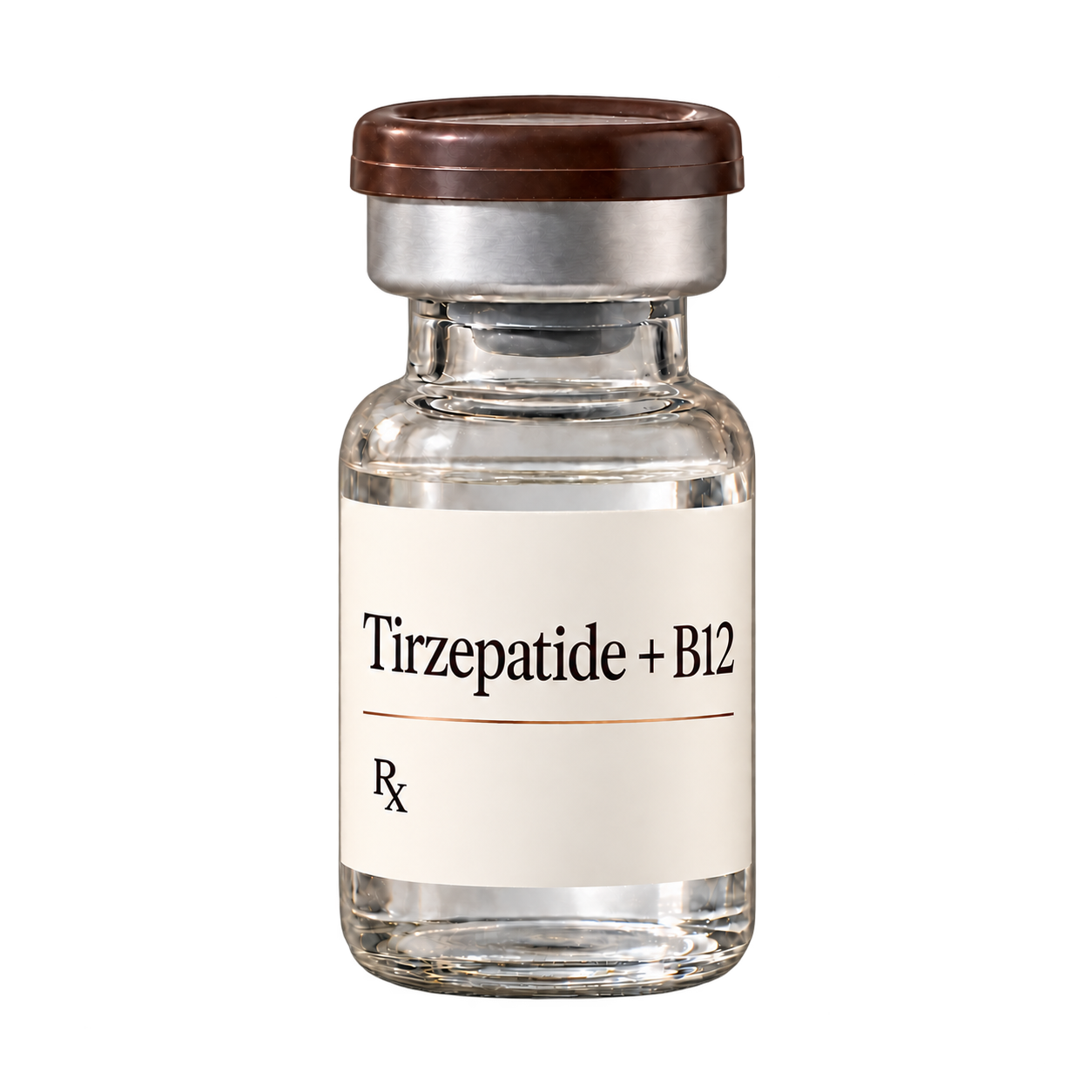
- Tirzepatide + B12 is $169/month (billed $169 every 4 weeks), charged only after a clinician approves it.
- Answer a few health questions online. A licensed clinician reviews them. If approved, it ships to your door.
- Adults 18 or older. A licensed clinician reviews your health history and decides whether treatment is appropriate for you. Availability depends on the state you live in.


If you searched what to expect after first dose of Zepbound, the most common early changes are digestive side effects and appetite reduction. Some people feel little at first, while others notice nausea, fullness, or constipation soon after starting. This guide summarizes what the FDA label says to watch for after your first injection and when to contact a clinician. If you want help interpreting symptoms or timing around your own medical history, you can also use Vitals Vault tools to organize questions for your prescriber.
- After the first Zepbound dose, expect possible nausea, stomach upset, and reduced appetite.
- Most early effects are digestive and often improve as your body adjusts.
- Know urgent warning signs like severe belly pain, allergic reaction, or dehydration symptoms.
- Do not change your dose schedule without your prescribing clinician.
What you may notice after dose one
Digestive symptoms
The most common things people notice early are nausea, diarrhea, vomiting, constipation, and stomach pain or discomfort. These are listed as common side effects in the prescribing information. If vomiting or diarrhea is persistent, focus on preventing dehydration and contact your clinician.
Feeling full sooner
Zepbound (tirzepatide) works in part by slowing stomach emptying and affecting appetite signals. After your first dose, you may feel full sooner or have less interest in food. If you are not able to keep fluids down, contact a clinician.
Injection site reactions
Some people get redness, itching, or discomfort where the medication was injected. Mild reactions can happen with injectable medicines, but worsening swelling, hives, or trouble breathing needs urgent evaluation.
Low blood sugar risk in some people
Tirzepatide can increase the risk of low blood sugar (hypoglycemia) when used with insulin or insulin secretagogues such as sulfonylureas. If you use diabetes medications, ask your prescriber what symptoms to watch for and how to monitor safely.
Details that help you interpret symptoms
Nausea and vomiting
Nausea and vomiting are among the most common side effects listed for Zepbound. They are often most noticeable when starting or after dose increases. Contact your clinician if you cannot keep fluids down, symptoms are severe, or you have signs of dehydration.
Diarrhea or constipation
Diarrhea and constipation are also common on the label. Either can contribute to dehydration if prolonged, especially if you are also not eating or drinking much. If symptoms are persistent, worsening, or accompanied by dizziness or fainting, contact a clinician.
Stomach pain: when it is urgent
New or severe abdominal pain is not something to ignore. The label warns about acute pancreatitis and gallbladder disease, which can present with severe abdominal pain that may radiate to the back and may be associated with vomiting. Seek urgent care for severe or persistent pain.
Kidney problems from dehydration
The prescribing information warns about acute kidney injury, sometimes in the setting of nausea, vomiting, diarrhea, or dehydration. If you have reduced urination, swelling, or feel faint, contact a clinician promptly. This is especially important if you already have kidney disease.
Allergic reactions
Serious hypersensitivity reactions are possible with tirzepatide. Get emergency help if you develop swelling of the face, lips, tongue, or throat, trouble breathing, or widespread hives. Tell your clinician about any prior medication allergies.
Thyroid tumor warning
Zepbound has a boxed warning about risk of thyroid C-cell tumors based on animal studies. It is contraindicated if you or a family member has medullary thyroid carcinoma (MTC) or if you have Multiple Endocrine Neoplasia syndrome type 2 (MEN 2). Report a neck lump, hoarseness, or trouble swallowing to a clinician.
| What you notice | How it is described in labeling | When to contact a clinician |
|---|---|---|
| Nausea, vomiting, diarrhea, constipation | Common adverse reactions with tirzepatide for weight management | If severe, persistent, or you cannot keep fluids down |
| Severe belly pain (with or without vomiting) | Warning for acute pancreatitis and gallbladder disease | Urgently, especially if severe or does not improve |
| Less urination, dizziness, fainting | Warning for acute kidney injury, often with dehydration | Promptly, especially with ongoing GI symptoms |
| Rash, hives, swelling, breathing trouble | Serious hypersensitivity reactions can occur | Emergency care |
When to contact a clinician after your first dose
- 1
Call the same day for severe symptoms
Contact a clinician urgently for severe or persistent abdominal pain, repeated vomiting, or dehydration symptoms.
- 2
Get emergency help for allergy signs
Seek emergency care for trouble breathing, facial or throat swelling, or widespread hives.
- 3
Check in if you take diabetes medicines
If you use insulin or a sulfonylurea, ask about hypoglycemia symptoms and monitoring after starting tirzepatide.
- 4
Report any thyroid-related symptoms
Tell your clinician about a neck lump, hoarseness, or trouble swallowing, especially with the boxed warning.
Pro tips for the first week
Plan for GI side effects
Keep your schedule flexible in case nausea or diarrhea shows up early.
Prioritize fluids
Dehydration can worsen side effects and kidney risk if vomiting or diarrhea occurs.
Track symptoms and timing
Write down what you feel and when, so your clinician can spot patterns.
Know your red flags
Severe belly pain, allergy symptoms, or fainting are reasons to seek urgent care.
Ask about interactions
Tirzepatide can affect stomach emptying and may impact some oral medicines.
Frequently Asked Questions
What to expect after first dose of Zepbound?
Most people notice digestive side effects like nausea, diarrhea, vomiting, constipation, or stomach discomfort, plus reduced appetite. Some people feel very little after the first dose. Severe belly pain, allergic symptoms, or dehydration signs need prompt medical attention.
How soon do Zepbound side effects start after the first injection?
The label does not give a single timeline that applies to everyone. Side effects can occur after starting and may be more noticeable when beginning treatment or after dose increases. Track timing and severity and share it with your prescriber.
Is nausea after the first dose of Zepbound normal?
Yes. Nausea is listed among the most common adverse reactions with tirzepatide for weight management. If nausea is severe, persistent, or you cannot keep fluids down, contact a clinician to reduce dehydration risk.
When should I go to the ER after my first Zepbound dose?
Get emergency help for signs of a serious allergic reaction such as trouble breathing or swelling of the face, lips, tongue, or throat. Seek urgent evaluation for severe or persistent abdominal pain, especially if it comes with vomiting, because pancreatitis or gallbladder disease is a warning on the label.
Does Vitals Vault provide Zepbound or compounded tirzepatide?
Zepbound is a brand product. Vitals Vault offers Tirzepatide (compounded, injectable) as a compounded medication, not Zepbound, and compounded medications are not FDA-approved. A licensed clinician reviews your history and decides whether treatment is appropriate, and availability depends on your state.