
How does zepbound help you lose weight?
How does Zepbound help you lose weight? Tirzepatide reduces appetite and slows stomach emptying, helping you eat less, and improves blood sugar signals.
Key facts
- Tirzepatide + B12 is $169/month (billed $169 every 4 weeks), charged only after a clinician approves it.
- Answer a few health questions online. A licensed clinician reviews them. If approved, it ships to your door.
- Adults 18 or older. A licensed clinician reviews your health history and decides whether treatment is appropriate for you. Availability depends on the state you live in.


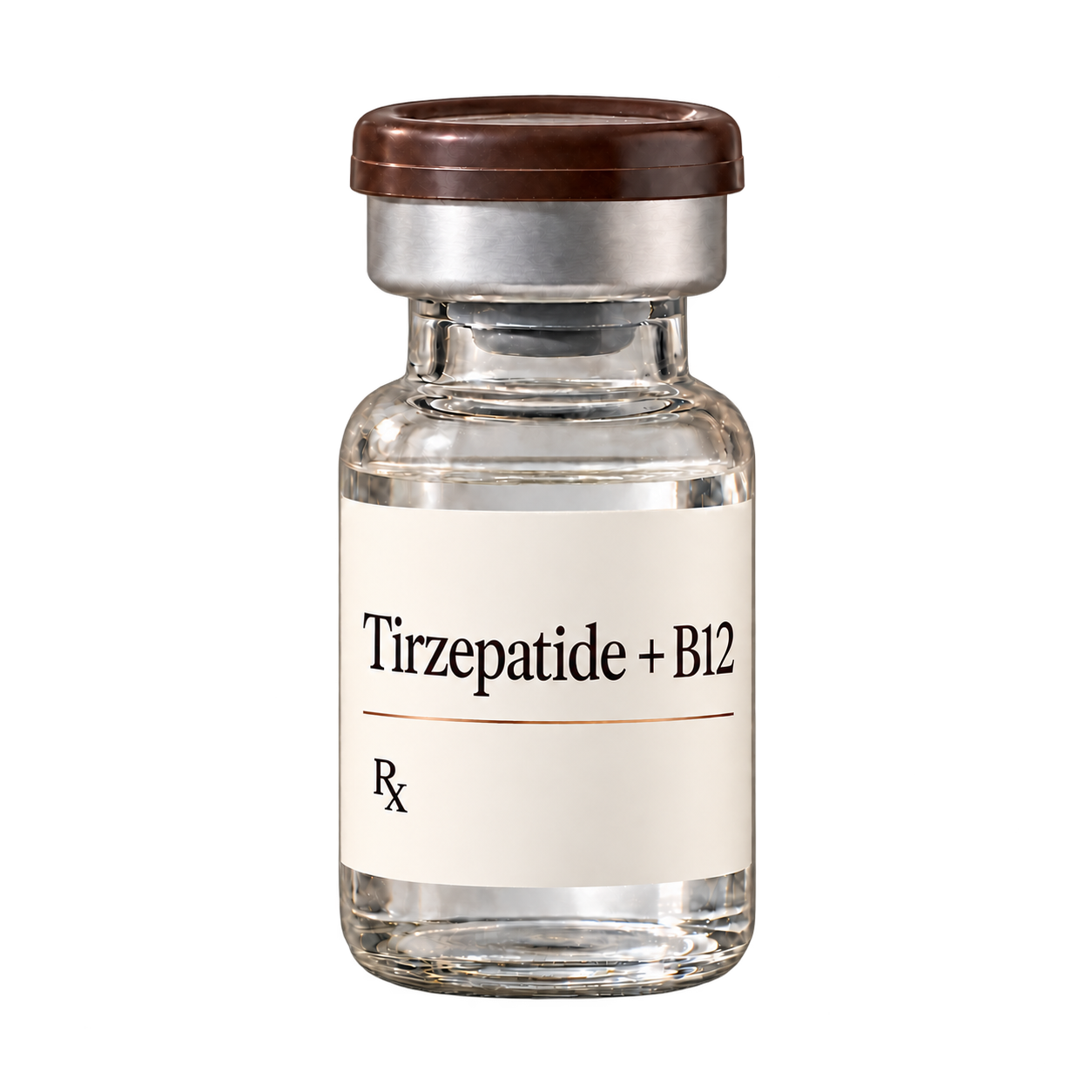
If you searched “how does zepbound help you lose weight,” the short answer is that it changes hunger and fullness signals so you tend to eat less. Zepbound is the brand name for tirzepatide, a once-weekly injection approved for chronic weight management in certain adults, alongside diet and physical activity. This page explains the main mechanisms described in the FDA labeling and what they can mean day to day.
- Zepbound helps you lose weight mainly by lowering appetite and helping you feel full sooner.
- Its active ingredient tirzepatide activates GIP and GLP-1 receptors that influence hunger and metabolism.
- It also slows stomach emptying, which can reduce how much you eat at a meal.
- Benefits and side effects vary, so a clinician should review your health history first.
Direct answer: how Zepbound supports weight loss
Less hunger
Tirzepatide activates GLP-1 and GIP receptors, which are involved in appetite regulation. Many people feel less “food noise” and fewer strong hunger cues, which can make it easier to reduce calorie intake over time. This is a central reason the medication can support weight loss when paired with lifestyle changes.
Full sooner
Zepbound can increase satiety, meaning you feel satisfied with less food. In practical terms, meals may feel “done” earlier, and snacking between meals may feel less necessary. This effect is tied to gut hormone signaling to the brain.
Slower stomach emptying
The FDA label notes that tirzepatide delays gastric emptying, especially after the first dose. When food leaves your stomach more slowly, you may feel full longer after eating. This can also contribute to nausea in some people.
Better metabolic signaling
Tirzepatide improves glycemic control in people with type 2 diabetes and affects insulin and glucagon signaling. Even if you do not have diabetes, these hormone pathways are connected to hunger, energy use, and how your body handles meals. The medication is not a substitute for nutrition and activity changes, but it can make them easier to follow.
What is happening in your body (and why it matters)
Dual incretin action (GIP plus GLP-1)
Zepbound’s active ingredient, tirzepatide, is a dual GIP and GLP-1 receptor agonist. “Incretins” are gut hormones released after eating that help coordinate insulin release, glucagon suppression, and appetite signals. By activating both receptors, tirzepatide can reduce appetite and support sustained dietary changes.
Why nausea can happen
Because tirzepatide slows stomach emptying and changes gut-brain signaling, gastrointestinal side effects are common. The label lists nausea, diarrhea, vomiting, constipation, abdominal pain, dyspepsia, and gastroesophageal reflux disease among common reactions. Eating smaller meals and avoiding very high-fat meals may help some people, but discuss persistent symptoms with a clinician.
Thyroid C-cell tumor boxed warning
Zepbound carries a boxed warning about thyroid C-cell tumors based on findings in rats; it is unknown whether this risk applies to humans. The label says not to use it if you have a personal or family history of medullary thyroid carcinoma (MTC) or Multiple Endocrine Neoplasia syndrome type 2 (MEN 2). Seek care promptly for a neck mass, hoarseness, trouble swallowing, or shortness of breath.
Pancreatitis risk signals
Acute pancreatitis has been reported with GLP-1 receptor agonists, including tirzepatide. The label advises stopping tirzepatide if pancreatitis is suspected and not restarting if confirmed. Severe, persistent abdominal pain that may radiate to the back, with or without vomiting, is a reason to seek urgent medical evaluation.
Gallbladder problems
Acute gallbladder disease has been reported with tirzepatide. Rapid weight loss itself can also increase gallstone risk, so symptoms can have more than one contributor. Contact a clinician promptly for right upper abdominal pain, fever, jaundice, or persistent nausea and vomiting.
Low blood sugar (hypoglycemia) in some situations
Tirzepatide can increase the risk of hypoglycemia when used with insulin or insulin secretagogues such as sulfonylureas. If you use diabetes medications, a clinician may need to adjust your overall regimen and monitoring plan. Symptoms like sweating, shakiness, confusion, or fainting need prompt attention.
When to talk with a clinician about Zepbound and weight loss
You meet label criteria
The FDA approval for Zepbound is for chronic weight management in adults with obesity, or overweight with at least one weight-related comorbidity, used with reduced-calorie diet and increased physical activity. A clinician can confirm whether you meet the indication and whether another approach is safer for you.
You have thyroid cancer risk history
Tell a clinician if you or a family member has had medullary thyroid carcinoma (MTC) or if you have MEN 2. These are listed contraindications in the Zepbound label. Do not ignore new neck symptoms such as a lump, hoarseness, or trouble swallowing.
You have severe GI symptoms
Persistent vomiting, inability to keep fluids down, or severe abdominal pain needs medical evaluation. These symptoms can signal dehydration, pancreatitis, or gallbladder disease. A clinician can decide whether symptoms are expected side effects or a reason to stop treatment.
You take diabetes medications
If you use insulin or sulfonylureas, the risk of hypoglycemia can be higher when tirzepatide is added. A clinician can review your regimen, monitoring plan, and symptom thresholds for urgent care. Do not try to adjust medications on your own.
Practical tips that match how it works
Plan smaller portions
If you feel full sooner, serve less first and pause before seconds.
Prioritize protein and fiber
These can support satiety, aligning with appetite-lowering effects.
Hydrate if nausea hits
Small sips and bland foods may be easier during GI side effects.
Track patterns, not perfection
Note what meals worsen symptoms so you can discuss adjustments.
Use clinician check-ins
Bring side effects and appetite changes to follow-ups for safer titration.
Frequently Asked Questions
How does zepbound help you lose weight if you still eat the same foods?
Zepbound (tirzepatide) mainly works by lowering appetite and increasing fullness, so many people naturally eat less even with similar food choices. It also slows stomach emptying, which can reduce meal size. Lasting results still depend on diet and activity changes.
Is Zepbound the same as tirzepatide?
Zepbound is the brand name for tirzepatide. Tirzepatide is also marketed as Mounjaro for type 2 diabetes, but the indications differ. If you are considering compounded tirzepatide, it is not FDA-approved and is not a generic of Zepbound.
Does Zepbound speed up metabolism or just reduce appetite?
The main effect described in labeling is appetite and satiety changes, plus delayed gastric emptying, which can lower calorie intake. Tirzepatide also affects insulin and glucagon pathways that influence how your body handles meals. A clinician can explain what that means for your situation.
What are the most important serious risks to know about with Zepbound?
Zepbound has a boxed warning about thyroid C-cell tumors and should not be used with a personal or family history of MTC or MEN 2. Serious concerns also include pancreatitis, gallbladder disease, kidney problems from dehydration, and hypoglycemia when combined with certain diabetes medicines. Seek urgent care for severe abdominal pain or signs of low blood sugar.
Can I use Vitals Vault to explore tirzepatide options?
Yes. Vitals Vault can connect you with clinician-guided options, and a licensed clinician reviews your health history and decides whether treatment is appropriate for you. Availability depends on the state you live in.