
Ozempic and pregnancy: what to know
Ozempic and pregnancy: it is not recommended. If you are pregnant or planning pregnancy, talk with your clinician about stopping.
Key facts
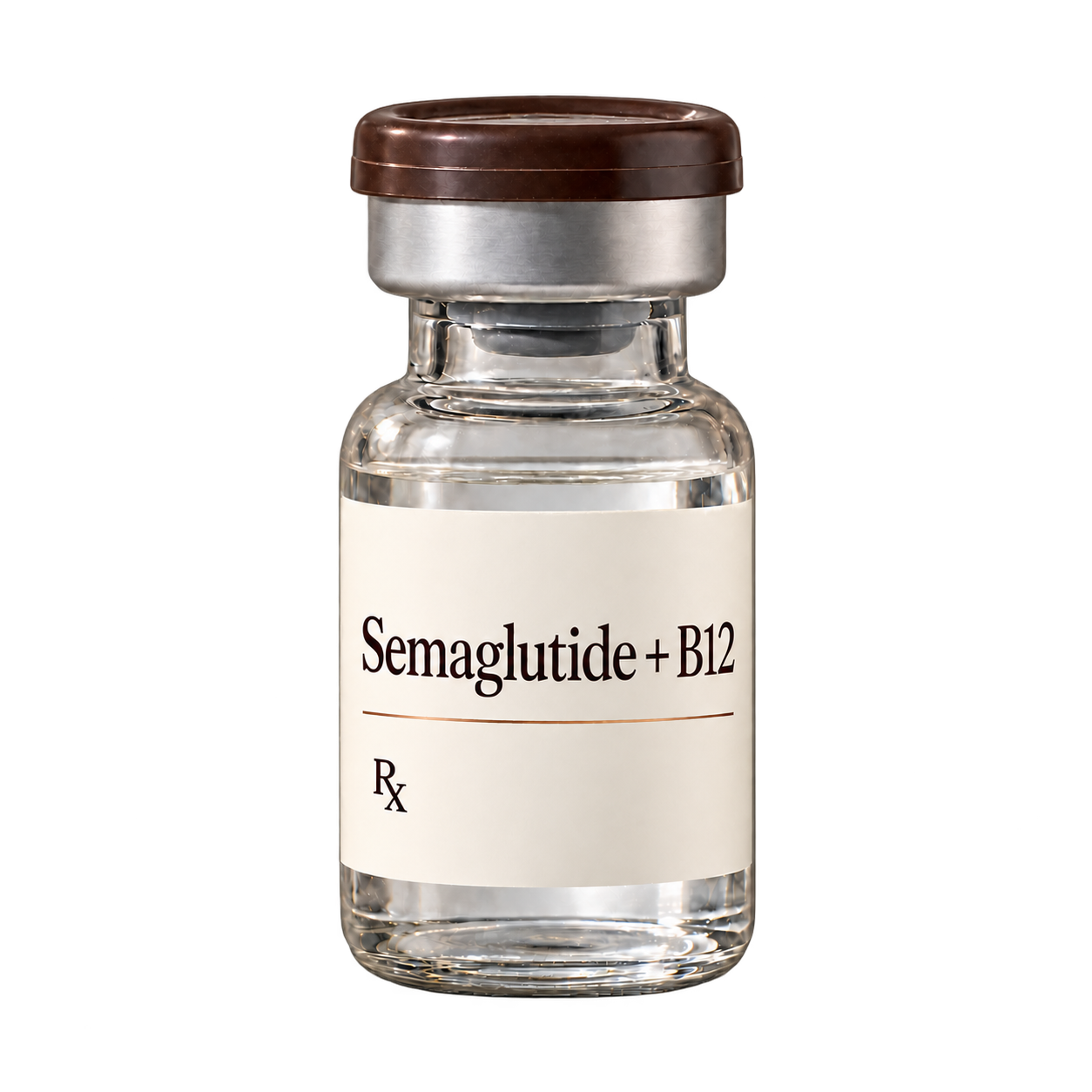
- Semaglutide + B12 is $157/month (billed $157 every 4 weeks), charged only after a clinician approves it.
- Answer a few health questions online. A licensed clinician reviews them. If approved, it ships to your door.
- Adults 18 or older. A licensed clinician reviews your health history and decides whether treatment is appropriate for you. Availability depends on the state you live in.





If you searched “ozempic and pregnancy,” the key point is that semaglutide (Ozempic) is not recommended during pregnancy. The prescribing information advises stopping semaglutide ahead of a planned pregnancy because the drug can remain in your system for weeks. This page explains what the label says, what that means if you are trying to conceive or have a positive test, and when to seek care. If you want help applying this to your own history and medications, Vitals Vault includes PocketMD for personalized questions.
- Ozempic and pregnancy do not mix: it is not recommended during pregnancy.
- If you become pregnant while taking semaglutide, contact your prescriber promptly.
- Because semaglutide lasts in the body, labels advise stopping it well before a planned pregnancy.
- Do not use semaglutide for weight loss during pregnancy; discuss safer alternatives.
Can you take Ozempic during pregnancy?
Why labels advise against it
Human pregnancy data are limited, and animal studies showed embryo fetal effects at clinically relevant exposures. Because of this uncertainty and potential risk, the label recommends avoiding semaglutide during pregnancy.
Planning pregnancy matters
Semaglutide has a long half life, so it can take time to clear from the body. The prescribing information recommends discontinuing semaglutide at least 2 months before a planned pregnancy.
What if you took it early
Many people realize they are pregnant after early exposure to medications. Do not panic, but do contact your clinician promptly so they can review timing, other risk factors, and next steps for prenatal care.
Ozempic and pregnancy: details that affect your decision
- Active drug
- Semaglutide (a GLP-1 receptor agonist).
- Pregnancy recommendation
- Not recommended during pregnancy; discontinue at least 2 months before planned pregnancy.
- Why timing matters
- Semaglutide has a long elimination half life, so drug exposure can persist for weeks.
- If pregnancy occurs
- Contact the prescribing clinician promptly to discuss discontinuation and prenatal planning.
Trying to conceive
If you are planning pregnancy, bring it up before you stop or start anything. The Ozempic label recommends stopping semaglutide at least 2 months before a planned pregnancy to reduce fetal exposure.
Unplanned pregnancy
If you have a positive pregnancy test while using semaglutide, contact your prescriber promptly. They can help you weigh risks, review other medications, and coordinate prenatal care without making abrupt changes on your own.
Breastfeeding and semaglutide
Ask your clinician about semaglutide while breastfeeding. For Ozempic, the label notes there are no data on the presence of semaglutide in human milk and advises weighing benefits and potential risks.
Weight loss during pregnancy
Intentional weight loss is generally not recommended during pregnancy. If you were using semaglutide for weight management, your clinician can discuss pregnancy appropriate nutrition and activity guidance and alternatives.
Compounded semaglutide is different
Vitals Vault offers Semaglutide (compounded, injectable) as a compounded medication, not Ozempic. Compounded medications are not FDA-approved, and pregnancy guidance should come from your prescribing clinician and the dispensing pharmacy.
When to talk to a clinician urgently
Positive pregnancy test
If you are taking semaglutide and get a positive pregnancy test, contact your prescribing clinician promptly. They can advise on stopping, document exposure timing, and coordinate prenatal care.
Severe vomiting or dehydration
Persistent vomiting, inability to keep fluids down, dizziness, or signs of dehydration need prompt medical attention in pregnancy. These symptoms can be more serious during pregnancy and may require urgent evaluation.
Severe abdominal pain
Severe or persistent abdominal pain, especially with vomiting, should be evaluated urgently. GLP-1 medicines carry warnings for pancreatitis and gallbladder disease, and pregnancy has its own causes of abdominal pain that need assessment.
Low blood sugar symptoms
If you use insulin or a sulfonylurea, adding or stopping GLP-1 therapy can affect blood sugar control. Shakiness, sweating, confusion, or fainting needs prompt evaluation, especially in pregnancy.
Pro tips for safer planning
Bring a timeline
Share your last dose date and pregnancy timing with your clinician.
Review all meds and supplements
Ask about diabetes meds, nausea drugs, and prenatal vitamins together.
Discuss goals for pregnancy
Clarify whether the priority is glucose control, weight, or both.
Ask about alternatives
Your clinician can recommend pregnancy appropriate options for diabetes care.
Know who to call
Have a plan for after hours symptoms like severe vomiting or pain.
Frequently Asked Questions
Can you take Ozempic during pregnancy?
Ozempic (semaglutide) is not recommended during pregnancy. If you are pregnant or planning pregnancy, talk with your clinician about stopping semaglutide and choosing safer options.
How long before pregnancy should you stop Ozempic?
The Ozempic prescribing information recommends discontinuing semaglutide at least 2 months before a planned pregnancy. This is because semaglutide can remain in the body for weeks.
What if I took Ozempic before I knew I was pregnant?
Contact your prescribing clinician promptly so they can document timing and advise next steps. Do not restart or stop medications on your own without medical guidance during pregnancy.
Is compounded semaglutide the same as Ozempic in pregnancy?
No. Ozempic is a brand product, while compounded semaglutide is prepared by a pharmacy for an individual prescription and is not FDA-approved. Pregnancy decisions should be made with your prescribing clinician and the dispensing pharmacy.
Can PocketMD help with Ozempic and pregnancy questions?
Yes, PocketMD can help you organize questions about ozempic and pregnancy using your health history and tell you when to see a clinician. It is not a doctor and is not for emergencies.