
Does zepbound cause headaches?
Does Zepbound cause headaches? Yes, they can happen. They are often temporary, but dehydration or low blood sugar can contribute. Know warning signs.
Key facts
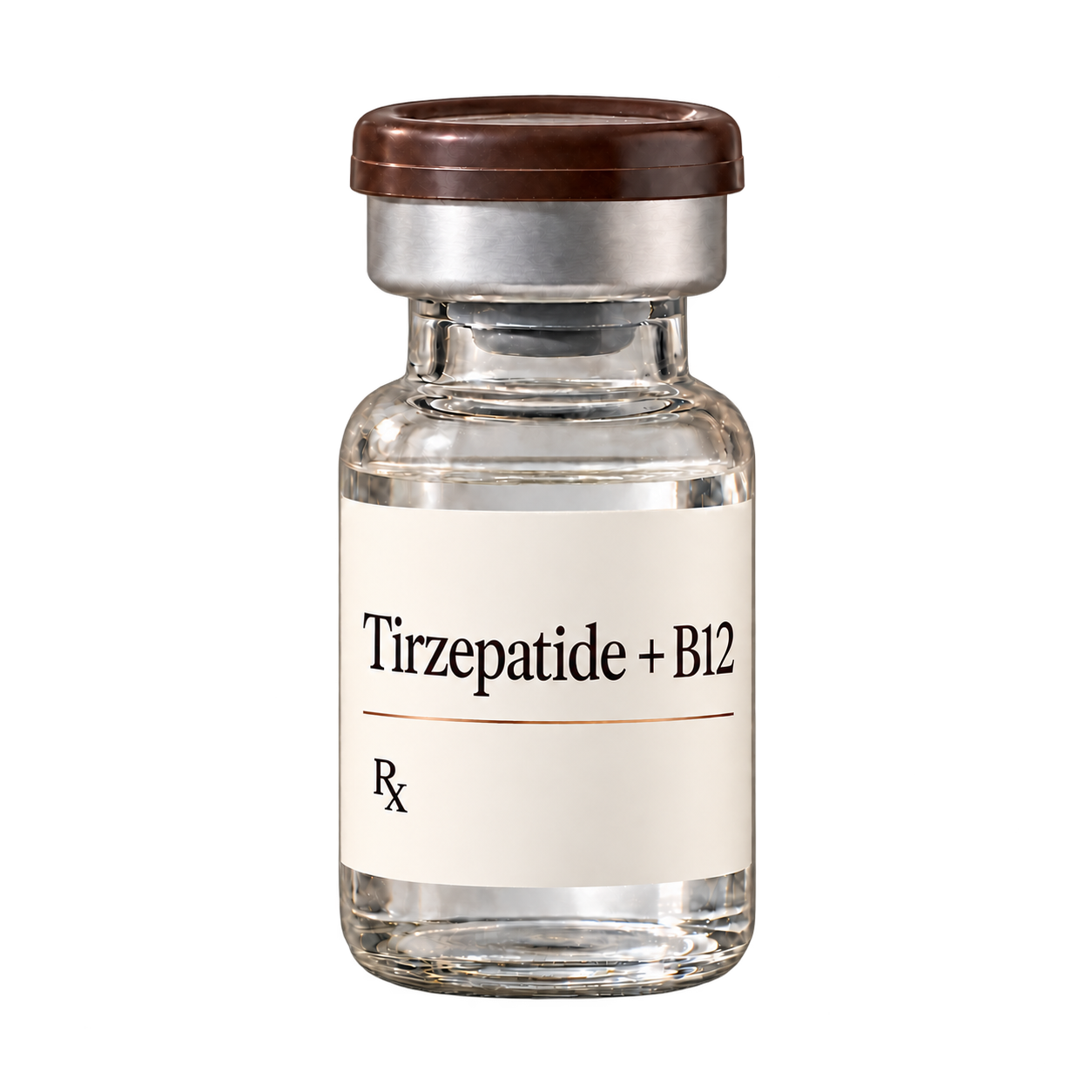
- Tirzepatide + B12 is $169/month (billed $169 every 4 weeks), charged only after a clinician approves it.
- Answer a few health questions online. A licensed clinician reviews them. If approved, it ships to your door.
- Adults 18 or older. A licensed clinician reviews your health history and decides whether treatment is appropriate for you. Availability depends on the state you live in.


Headaches can happen while taking Zepbound (tirzepatide). For many people, they are mild and improve as your body adjusts, but they can also signal issues like dehydration, not eating enough, or low blood sugar, especially if you use insulin or a sulfonylurea. This guide explains what the prescribing information says, what may make headaches more likely, and when to contact a clinician. If you are using Vitals Vault, you can also start with labs to look for common contributors and share results with a clinician.
- Yes, does zepbound cause headaches: headache is a reported side effect of tirzepatide.
- Headaches may relate to nausea, reduced intake, dehydration, or low blood sugar in some people.
- Seek urgent care for severe, sudden headache or headache with neurologic symptoms.
- If headaches persist or worsen, your clinician can check triggers and other causes.
Answer: can Zepbound cause headaches?
It is a known side effect
In the Zepbound prescribing information, headache is reported as an adverse reaction in clinical studies. That means it occurred often enough to be tracked as a potential medication effect, even though it is not the most common GLP-1 related symptom.
It is not always from the drug
Headaches are common in general and can be triggered by stress, sleep changes, caffeine changes, illness, or other medications. If your headache pattern changes after starting or increasing tirzepatide, that timing is useful to share with your clinician.
Sometimes it is indirect
Tirzepatide can reduce appetite and cause nausea or vomiting. Eating less and drinking less can lead to dehydration or low blood sugar in some people, both of which can cause headaches.
Why headaches can happen on tirzepatide
Nausea and lower fluid intake
Nausea, vomiting, and diarrhea are common with tirzepatide and can make it harder to stay hydrated. Dehydration can trigger headaches, dizziness, and fatigue. If you cannot keep fluids down or you have ongoing vomiting or diarrhea, contact a clinician.
Not eating enough
Appetite reduction can make you unintentionally skip meals. For some people, long gaps between meals can trigger headaches. A clinician can help you plan nutrition while staying within your treatment goals.
Low blood sugar with certain drugs
Tirzepatide can increase the risk of hypoglycemia (low blood sugar) when used with insulin or insulin secretagogues such as sulfonylureas. Low blood sugar can cause headache, sweating, shakiness, confusion, or fast heartbeat. Do not adjust diabetes medicines on your own, but contact your prescriber if you suspect lows.
Kidney stress from dehydration
Severe vomiting or diarrhea can lead to dehydration, which can worsen kidney function. The Zepbound label warns about acute kidney injury in the setting of gastrointestinal adverse reactions. If headache comes with very low urine output, severe weakness, or inability to hydrate, seek urgent evaluation.
Gallbladder problems can overlap
GLP-1 based medicines, including tirzepatide, are associated with acute gallbladder disease in labeling. Gallbladder issues usually cause right upper abdominal pain, nausea, and sometimes fever, but feeling generally unwell can include headache. New severe abdominal pain needs prompt medical attention.
Pancreatitis warning symptoms
The label warns about acute pancreatitis. Pancreatitis typically causes persistent severe abdominal pain that may radiate to the back, often with vomiting. If you have these symptoms, seek urgent care, even if headache is also present.
| What you notice | What it may mean | What to do next |
|---|---|---|
| Mild headache with nausea or reduced appetite | Common GI side effects leading to lower intake | Hydrate and eat regularly if you can; tell your clinician if it persists. |
| Headache with shakiness, sweating, confusion, or fast heartbeat | Possible low blood sugar, especially with insulin or sulfonylurea | Check glucose if you monitor; contact your diabetes prescriber promptly. |
| Headache with repeated vomiting or diarrhea | Dehydration and possible kidney stress | Contact a clinician the same day; urgent care if you cannot keep fluids down. |
| Sudden worst headache, weakness, trouble speaking, vision changes | Possible neurologic emergency | Call emergency services immediately. |
When to call a clinician or seek urgent care
Call urgently for neurologic symptoms
Get emergency care for a sudden severe headache or headache with weakness, numbness, confusion, fainting, trouble speaking, new vision changes, or seizures. These symptoms are not typical medication side effects and need urgent evaluation.
Call the same day for dehydration signs
Contact a clinician if you have ongoing vomiting or diarrhea, cannot keep fluids down, feel very dizzy when standing, or have very low urine output. The Zepbound label warns that severe GI symptoms can contribute to kidney problems.
Call promptly for low blood sugar concerns
If you use insulin or a sulfonylurea, report headaches with shakiness, sweating, or confusion. The label notes higher hypoglycemia risk with these combinations, and your prescriber may need to reassess your overall regimen.
Report persistent or worsening headaches
If headaches last more than a few days after an injection, keep recurring after dose changes, or interfere with daily life, check in with your clinician. They can evaluate other causes, review other medications, and decide whether any treatment adjustments are needed.
Practical ways to reduce headache risk
Hydrate consistently
If nausea reduces drinking, take small sips more often and tell your clinician if it persists.
Do not skip meals
Regular meals and protein can help prevent headaches tied to low intake.
Track timing and triggers
Note when headaches start relative to injection day, meals, sleep, and caffeine changes.
Review other medicines
Ask your clinician about interactions or overlapping side effects, especially diabetes drugs.
Use your care team early
Persistent headaches are worth a message, even if other side effects feel manageable.
Frequently Asked Questions
Does zepbound cause headaches in most people?
Headache is a reported side effect in Zepbound clinical studies, but it is not the most common reaction. Whether you get headaches can depend on factors like hydration, food intake, and other medications. Your clinician can help assess your specific risk.
How long do Zepbound headaches last?
Some people notice headaches mainly when starting tirzepatide or after dose increases, and they may improve as your body adjusts. If headaches persist, worsen, or disrupt daily life, contact your clinician to review possible triggers and other causes.
Can dehydration from Zepbound side effects cause headaches?
Yes. Nausea, vomiting, and diarrhea can reduce fluid intake and contribute to dehydration, which can trigger headaches. The prescribing information also warns that severe GI symptoms can contribute to kidney problems, so ongoing dehydration symptoms need prompt medical advice.
Can low blood sugar from tirzepatide cause headaches?
It can, especially if tirzepatide is used with insulin or a sulfonylurea, which increases hypoglycemia risk per the label. Low blood sugar can also cause shakiness, sweating, confusion, or fast heartbeat. Contact your diabetes prescriber if you suspect lows.
When is a headache on Zepbound an emergency?
Seek emergency care for a sudden severe headache or headache with neurologic symptoms like weakness, confusion, trouble speaking, fainting, or vision changes. Also get urgent care if you cannot keep fluids down or have severe vomiting or diarrhea with signs of dehydration.