
How does Zepbound work for weight loss?
How does Zepbound work? It activates GIP and GLP-1 receptors to reduce appetite and slow stomach emptying. Here is what that means for you.
Key facts
- Tirzepatide + B12 is $169/month (billed $169 every 4 weeks), charged only after a clinician approves it.
- Answer a few health questions online. A licensed clinician reviews them. If approved, it ships to your door.
- Adults 18 or older. A licensed clinician reviews your health history and decides whether treatment is appropriate for you. Availability depends on the state you live in.


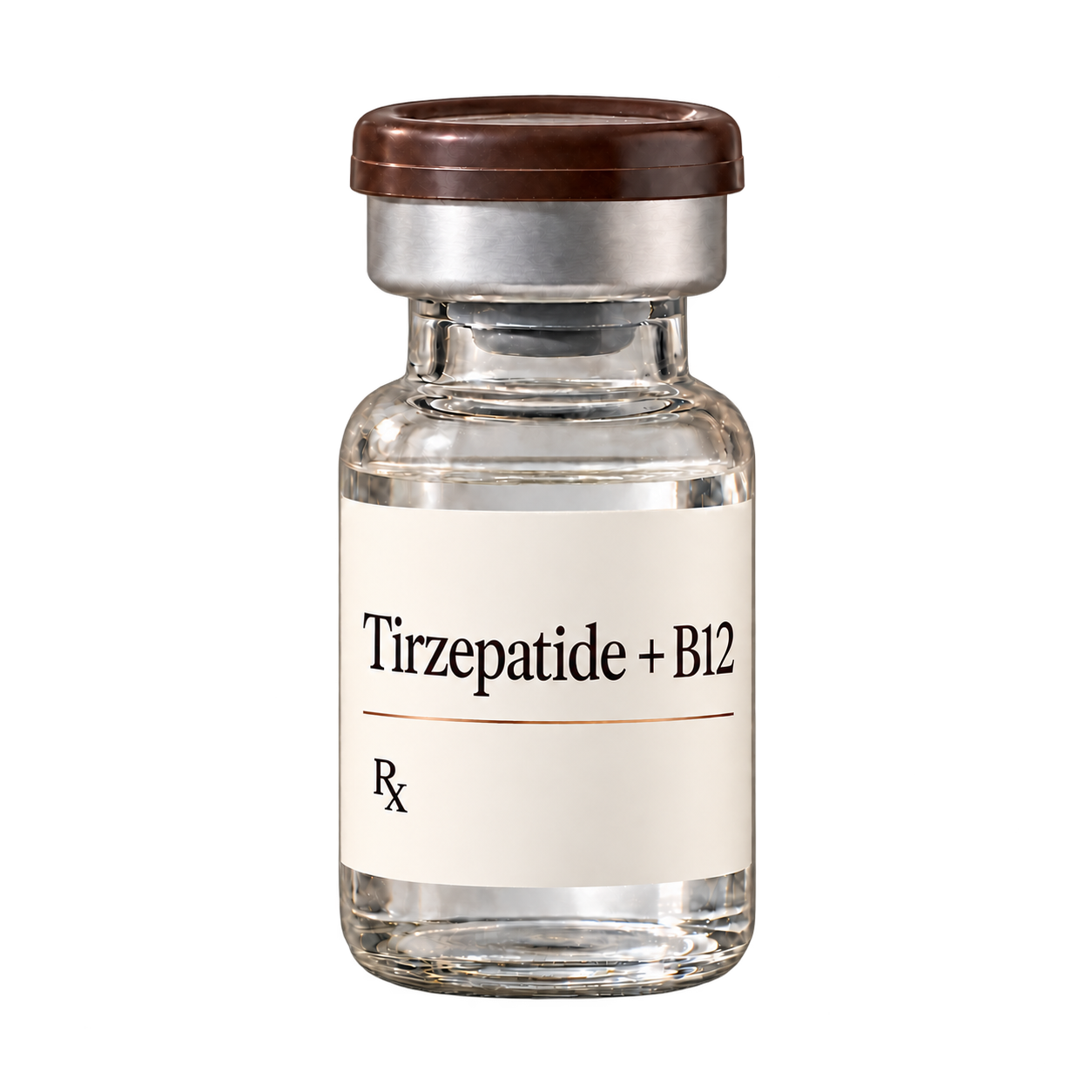
If you searched “how does Zepbound work,” you are usually trying to connect the biology to real world expectations. Zepbound is the brand name for tirzepatide, a once weekly injection approved for chronic weight management, and it works by acting on two appetite related hormone pathways. This page explains the mechanism in plain language, what studies show about the typical timeline, and why results vary. Vitals Vault also offers access to tirzepatide as a compounded medication, which is not Zepbound and is not FDA-approved.
- Zepbound works by mimicking GIP and GLP-1 hormones to lower appetite and slow stomach emptying.
- In studies of tirzepatide, weight loss built over months with weekly injections and lifestyle support.
- Nausea, diarrhea, and constipation are common, especially during dose increases.
- Serious risks include pancreatitis, gallbladder disease, kidney problems from dehydration, and a thyroid tumor boxed warning.
- Your starting weight, dose escalation, side effects, and habits can change how quickly you notice effects.
How Zepbound works (plain language)
Two hormone signals
Zepbound (tirzepatide) activates two receptors in your body called GIP and GLP-1. These are part of the gut hormone system that helps regulate appetite, food intake, and blood sugar after you eat. By stimulating both, tirzepatide can reduce hunger and help you feel satisfied with less food.
Less appetite, more fullness
GLP-1 receptor activity can increase feelings of fullness and reduce appetite. Many people notice they think about food less or feel full sooner, especially as the dose is increased over time. These effects are part of why tirzepatide can support weight loss when combined with diet and activity changes.
Slower stomach emptying
Tirzepatide can slow how quickly food leaves your stomach, which can make you feel full longer after meals. This effect can also contribute to nausea or indigestion in some people, particularly early in treatment or after dose increases. Over time, many people find these symptoms improve.
Better metabolic signals
Tirzepatide improves insulin secretion and lowers glucagon in a glucose-dependent way, which supports healthier blood sugar regulation. Even if you do not have diabetes, these metabolic effects can be part of the overall change in energy balance. Your clinician may still monitor labs and other health markers while you are on treatment.
What the mechanism means for results and timeline
Why results build gradually
In clinical trials for chronic weight management, tirzepatide was started at a low dose and increased over time to improve tolerability. Because dose escalation is gradual and habits change gradually, weight loss typically accumulates over months rather than days. The label also emphasizes use alongside a reduced-calorie diet and increased physical activity.
What “working” can feel like
Early signs can include reduced appetite, feeling full sooner, and fewer cravings, but these are not identical for everyone. Some people mainly notice gastrointestinal side effects first, while appetite changes become clearer later. If you are not noticing appetite changes, your clinician may review dose progression, adherence, and other factors.
Why people respond differently
Response can vary with starting weight, genetics, sleep, stress, and how consistently lifestyle changes are maintained. Side effects can also limit how quickly someone can increase dose, which may slow progress. Other medications and medical conditions can affect appetite and weight as well.
Common side effects that affect eating
The most common side effects in the prescribing information include nausea, diarrhea, vomiting, constipation, abdominal pain, dyspepsia, and decreased appetite. Eating smaller meals and avoiding high-fat meals may help some people tolerate symptoms, but you should discuss persistent symptoms with your clinician.
Serious risks to know
Tirzepatide carries a boxed warning about risk of thyroid C-cell tumors based on animal studies, and it is contraindicated in people with a personal or family history of medullary thyroid carcinoma or MEN 2. Other warnings include pancreatitis, gallbladder disease, acute kidney injury (often related to dehydration from GI symptoms), and hypoglycemia risk when used with insulin or insulin secretagogues.
Compounded tirzepatide is different
Zepbound is a brand product. Compounded tirzepatide is prepared by a pharmacy for an individual prescription and is not FDA-approved. If you are prescribed a compounded formulation, your clinician and dispensing pharmacy should explain the specific product, dosing plan, and monitoring.
When to talk to a clinician
Severe stomach symptoms
Contact a clinician promptly if you have severe or persistent abdominal pain, especially if it may radiate to your back, with or without vomiting. These can be warning signs of pancreatitis, which is listed as a serious risk in the prescribing information.
Gallbladder symptoms
Seek medical advice if you develop right upper abdominal pain, fever, jaundice, or clay-colored stools. GLP-1 based therapies, including tirzepatide, are associated with acute gallbladder disease in warnings and precautions.
Dehydration or kidney concerns
If vomiting or diarrhea is making it hard to keep fluids down, talk with a clinician. The label warns about acute kidney injury, sometimes in the setting of dehydration from gastrointestinal adverse reactions.
Neck mass or hoarseness
Report a lump or swelling in your neck, trouble swallowing, or persistent hoarseness. Tirzepatide has a boxed warning about thyroid C-cell tumors, and your clinician can help assess symptoms and risk factors.
Low blood sugar risk
If you use insulin or a sulfonylurea, ask your prescriber how to reduce hypoglycemia risk and what symptoms to watch for. Tirzepatide can increase hypoglycemia risk when combined with these medications.
Pro tips for realistic expectations
Define “working” early
Track appetite, fullness, and side effects, not only the scale.
Expect dose changes
Dose escalation is gradual, so effects can strengthen over time.
Plan for GI side effects
Smaller meals and hydration can help, but ask about persistent symptoms.
Review other medications
Some drugs affect appetite or weight. Bring a full list to your visit.
Monitor with your clinician
Follow the monitoring plan your clinician recommends, especially if you have other conditions.
Frequently Asked Questions
How fast does Zepbound work?
In studies, tirzepatide produced weight loss that built over time with weekly dosing and lifestyle changes, rather than overnight. How fast you notice appetite changes varies, especially during gradual dose escalation. Your clinician can help interpret what is expected for your situation.
How long for Zepbound to work?
Clinical trial results show that weight loss with tirzepatide generally accumulates over months of treatment. Many people notice appetite and fullness changes earlier than visible weight change, but timing varies. Dose escalation and side effects can affect the pace.
How does Zepbound work?
Zepbound (tirzepatide) works by activating GIP and GLP-1 receptors, which can reduce appetite, increase fullness, and slow stomach emptying. These effects can help lower calorie intake when paired with diet and activity changes. It also affects insulin and glucagon signaling in a glucose-dependent way.
Why do some people lose less weight on tirzepatide?
Response can vary due to differences in starting weight, lifestyle consistency, sleep and stress, other medications, and how quickly the dose can be increased. Side effects may limit dose escalation for some people. A clinician can review barriers and whether another approach fits better.
Is compounded tirzepatide the same as Zepbound?
No. Zepbound is a brand product, while compounded tirzepatide is prepared by a pharmacy for an individual prescription and is not FDA-approved. If you are considering compounded tirzepatide through Vitals Vault, a licensed clinician reviews your history and decides if it is appropriate.