Understanding Blood Health testing
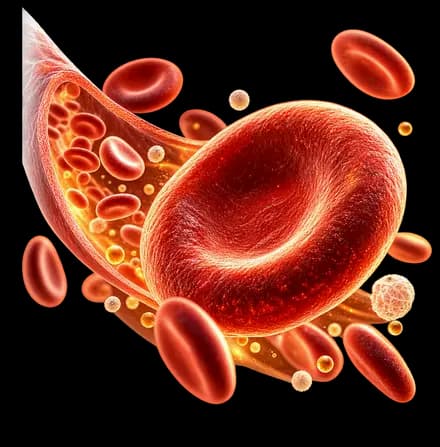
Blood is one of the most diagnostically informative tissues in the human body. A complete blood count (CBC) examines the three major cell lines — red blood cells, white blood cells, and platelets — each reflecting a different aspect of health. Red cells carry oxygen and carbon dioxide; white cells coordinate immune defence; platelets orchestrate clot formation. Abnormalities in any of these populations — in count, size, or morphology — provide early signals of conditions ranging from nutritional deficiency to infection to haematological malignancy.
The CBC is one of the most ordered laboratory tests in medicine, yet its full informational value is often under-utilised. Beyond simply flagging values as 'high' or 'low', understanding the relationships between CBC components — haemoglobin, MCV, reticulocyte count, and differential white cell counts — allows for precise characterisation of what is driving the abnormality and whether it warrants further investigation.
How Blood connects across the body
Blood health does not exist in isolation — it is deeply intertwined with every major system.
Bone Marrow & Haematopoiesis
All blood cells originate from haematopoietic stem cells in the bone marrow. Erythropoietin from the kidneys drives red cell production; thrombopoietin drives platelet production; various colony-stimulating factors regulate white cell production. When bone marrow is compromised — by nutritional deficiency, toxins, chronic disease, or malignancy — all three cell lines may decline (pancytopenia). Reticulocytes (immature red cells) serve as a direct measure of bone marrow output, helping distinguish anaemia from inadequate production versus excessive destruction.
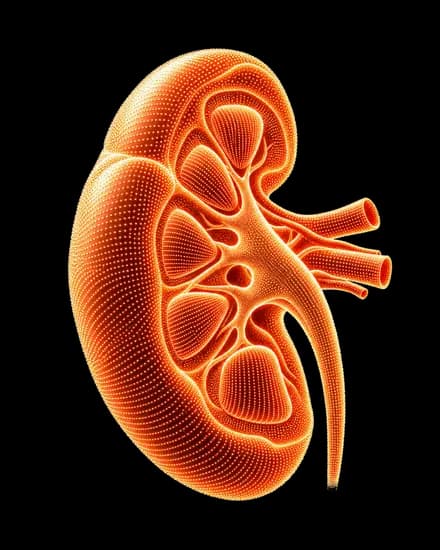
Kidney & Erythropoietin
The kidneys produce erythropoietin (EPO), the hormone that stimulates red blood cell production in the bone marrow. Chronic kidney disease reduces EPO secretion, causing normochromic normocytic anaemia — one of the most common manifestations of CKD. The degree of anaemia often correlates with the stage of kidney disease. EPO analogues (such as erythropoiesis-stimulating agents) are a primary treatment for CKD-related anaemia, underscoring how directly kidney function governs blood health.
Immune System & White Cell Differential
The white blood cell differential is a snapshot of the immune system's activity and balance. Neutrophils (50–70% of WBCs) are the front-line responders to bacterial infection; elevated neutrophilia with left shift (increased band cells) is the classic sign of bacterial sepsis. Lymphocytes dominate the adaptive immune response — elevated lymphocytes signal viral infection; low lymphocytes (lymphopenia) indicate immune suppression from HIV, corticosteroids, or severe malnutrition. Eosinophilia above 500/μL flags allergic conditions, parasitic infection, or eosinophilic disorders.
Nutritional Status
Red blood cell morphology is a highly sensitive indicator of nutritional status. Iron deficiency produces small, pale (microcytic, hypochromic) cells. B12 or folate deficiency produces large cells (macrocytic anaemia) because these vitamins are required for DNA synthesis during red cell division. Vitamin C deficiency impairs iron absorption. Copper deficiency — though rare — can mimic iron deficiency anaemia. The CBC, interpreted alongside ferritin, B12, and folate levels, reliably characterises nutritional anaemia without invasive testing.
Supporting Blood health
Nutrition
- Consume haem iron (red meat, liver, dark poultry) alongside non-haem iron sources (legumes, leafy greens, fortified foods) — haem iron has 3× the bioavailability. Pair non-haem iron with vitamin C to enhance absorption.
- Ensure adequate B12 (found exclusively in animal products) and folate (abundant in dark leafy greens, legumes) to support normal red cell maturation.
- Avoid tea or coffee within one hour of iron-rich meals — tannins bind iron and reduce absorption by up to 60%.
- Zinc supports neutrophil and natural killer cell function — deficiency impairs immune response. Found in red meat, shellfish, and pumpkin seeds.
Exercise & Recovery
- Regular moderate aerobic exercise expands plasma volume and increases red cell mass — improving oxygen-carrying capacity and cardiovascular efficiency.
- Allow 48–72 hours between intense training sessions to allow neutrophil counts to normalise — prolonged intense exercise temporarily suppresses neutrophil function ("open window" period of increased infection susceptibility).
Other Key Factors
- Avoid smoking — it chronically elevates white blood cell count, shifts lipid profiles, and causes polycythaemia (elevated haemoglobin) through carbon monoxide-driven EPO stimulation.
- Altitude acclimatisation, intense heat training, and hypoxic environments all stimulate EPO and raise haemoglobin — relevant context for athletes interpreting CBC results.
Clinical note
CBC results should always be interpreted in clinical context — a single mildly abnormal value is rarely diagnostic in isolation. Serial measurements over time reveal trends that are often more informative than any single data point. Iron studies (ferritin, TIBC, transferrin saturation) are essential companion tests when anaemia is identified.