
Tirzepatide headache: what it means and what helps
Tirzepatide headache can happen, often from dehydration or low intake. Know red flags, what to try safely, and when to call a clinician.
Key facts
- Tirzepatide + B12 is $169/month (billed $169 every 4 weeks), charged only after a clinician approves it.
- Answer a few health questions online. A licensed clinician reviews them. If approved, it ships to your door.
- Adults 18 or older. A licensed clinician reviews your health history and decides whether treatment is appropriate for you. Availability depends on the state you live in.


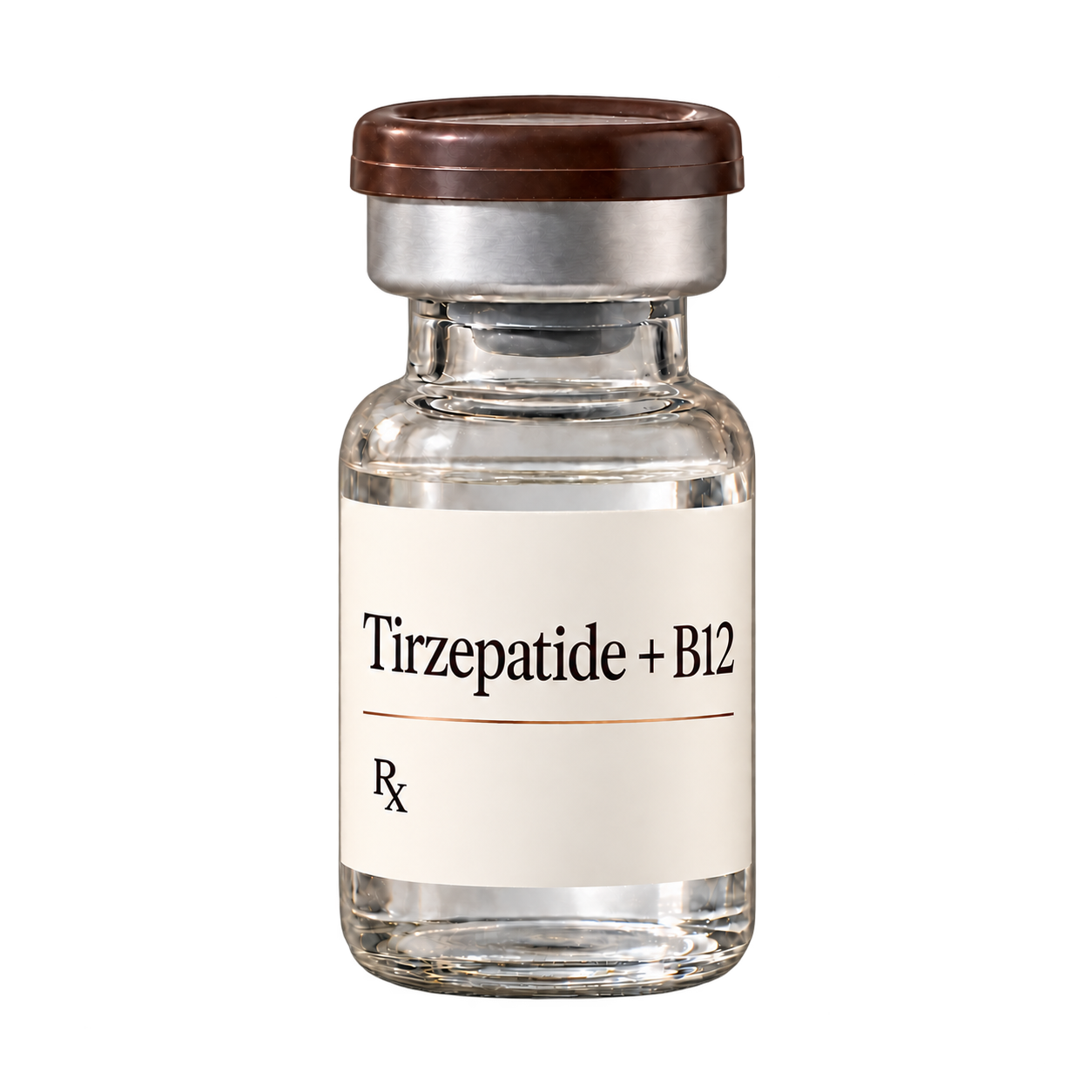
A tirzepatide headache can be frustrating, especially early in treatment or after a dose change. Headache is reported with tirzepatide in clinical trials, and it can also happen indirectly when nausea, reduced appetite, or diarrhea lead to dehydration or low calorie intake. This guide explains common reasons headaches happen on tirzepatide, what you can try safely, and the red flags that should prompt urgent care. If you want help deciding what to do next, Vitals Vault can help you start with labs and share results with a clinician.
- Tirzepatide headache can occur, often alongside nausea, low intake, or dehydration.
- Most headaches are not dangerous, but severe or sudden headache needs urgent evaluation.
- Staying hydrated and eating regularly may help if GI side effects limit intake.
- If headache comes with vomiting, belly pain, vision changes, or confusion, contact a clinician right away.
Can tirzepatide cause headaches?
Why headaches happen and what may help
Dehydration from GI side effects
Tirzepatide commonly causes nausea, vomiting, and diarrhea, which can reduce fluid intake or increase fluid loss. Dehydration can trigger or worsen headaches. If you cannot keep fluids down or you have signs of dehydration, contact a clinician promptly.
Eating less than usual
Reduced appetite and early fullness are expected effects of GLP-1 and GIP activity and can lead to fewer calories or missed meals. For some people, low intake can bring on headaches. If you are struggling to eat at all, a clinician can help you adjust a plan safely.
Low blood sugar risk with some meds
Tirzepatide can increase the risk of low blood sugar when used with insulin or insulin secretagogues such as sulfonylureas. Low blood sugar can cause headache along with sweating, shakiness, confusion, or fast heartbeat. This is a reason to contact your prescribing clinician urgently for guidance.
Kidney problems from dehydration
Severe vomiting or diarrhea can lead to dehydration, which may worsen kidney function. Kidney problems can be serious and need medical evaluation, especially if you notice reduced urination, swelling, or persistent weakness along with headache.
Not every headache is from tirzepatide
Headaches are common in general and can be caused by stress, poor sleep, caffeine changes, illness, migraines, or high blood pressure. If headaches are new, frequent, or different for you, it is reasonable to discuss them with a clinician even if they started after tirzepatide.
| If your headache seems linked to | What to consider | When to escalate |
|---|---|---|
| Nausea, vomiting, or diarrhea | Focus on hydration and tolerable foods; ask about nausea management options. | Seek care if you cannot keep fluids down or feel faint. |
| Very low intake or skipped meals | Try smaller, more frequent meals and protein forward choices you can tolerate. | Call if you are unable to eat for a day or symptoms are worsening. |
| Possible low blood sugar (with insulin or sulfonylurea) | Review your diabetes medications with your prescriber; do not adjust on your own. | Urgent evaluation for confusion, severe weakness, or loss of consciousness. |
When to call a clinician or seek urgent care
Sudden, severe, or worst headache
A sudden severe headache, the worst headache of your life, or a headache with fainting needs urgent evaluation. Do not wait for a lab order or a routine message.
Headache with neurologic symptoms
Seek urgent care for headache with weakness, numbness, trouble speaking, confusion, seizure, or new vision changes. These symptoms can signal a medical emergency unrelated to tirzepatide.
Headache with ongoing vomiting or diarrhea
Call a clinician if you cannot keep fluids down, have persistent vomiting or diarrhea, or feel dizzy when standing. These can be signs of dehydration that may require medical treatment.
Possible low blood sugar symptoms
If you have headache with sweating, shakiness, fast heartbeat, or confusion, contact your prescriber urgently, especially if you use insulin or a sulfonylurea. Low blood sugar can be dangerous and may require medication changes by a clinician.
Headaches that keep recurring
If headaches are frequent, worsening, or interfering with daily life, bring it up at your next check in. Your clinician may review hydration, nutrition, sleep, other medications, and blood pressure and decide whether any evaluation is needed.
Pro tips for managing headaches on tirzepatide
Track timing and triggers
Note when headaches start, what you ate and drank, and any nausea or diarrhea.
Prioritize fluids
If your stomach is unsettled, try small sips more often and ask about anti nausea options.
Keep meals consistent
Regular, smaller meals can help if headaches follow skipped meals or very low intake.
Review other meds
Tell your clinician about insulin, sulfonylureas, diuretics, and migraine medicines.
Do not ignore red flags
Sudden severe headache or neurologic symptoms should be treated as urgent.
Frequently Asked Questions
How long does a tirzepatide headache last?
There is no single expected duration, because headaches can be caused by dehydration, low intake, or unrelated triggers. If headaches keep recurring, worsen, or come with vomiting, confusion, or vision changes, contact a clinician for evaluation.
Is tirzepatide headache a sign the dose is too high?
A headache alone does not prove your dose is too high, but it can happen when side effects like nausea or diarrhea reduce fluids and food. Do not change your dose on your own. A clinician can review symptoms, other medications, and safer options.
What are red flags with tirzepatide headache?
Seek urgent care for sudden severe headache, the worst headache of your life, or headache with weakness, trouble speaking, confusion, seizure, or new vision changes. Also call promptly if you cannot keep fluids down or you feel faint.
Can low blood sugar cause headache on tirzepatide?
Yes. Tirzepatide can increase the risk of low blood sugar when used with insulin or insulin secretagogues such as sulfonylureas, and headache can be one symptom. If you suspect low blood sugar, contact your prescribing clinician urgently for guidance.
Can Vitals Vault labs diagnose the cause of my headache?
No. Labs cannot diagnose a headache cause on their own, but they can help check for issues that may contribute, such as dehydration related changes, and you can share results with a clinician. Sudden or severe headache needs urgent medical care, not a lab order.