
Semaglutide headache: causes, relief, warning signs
Semaglutide headache can happen, often with nausea or dehydration. Here is what may help, when to call a clinician, and red flags to watch for.
Key facts
- Semaglutide + B12 is $157/month (billed $157 every 4 weeks), charged only after a clinician approves it.
- Answer a few health questions online. A licensed clinician reviews them. If approved, it ships to your door.
- Adults 18 or older. A licensed clinician reviews your health history and decides whether treatment is appropriate for you. Availability depends on the state you live in.





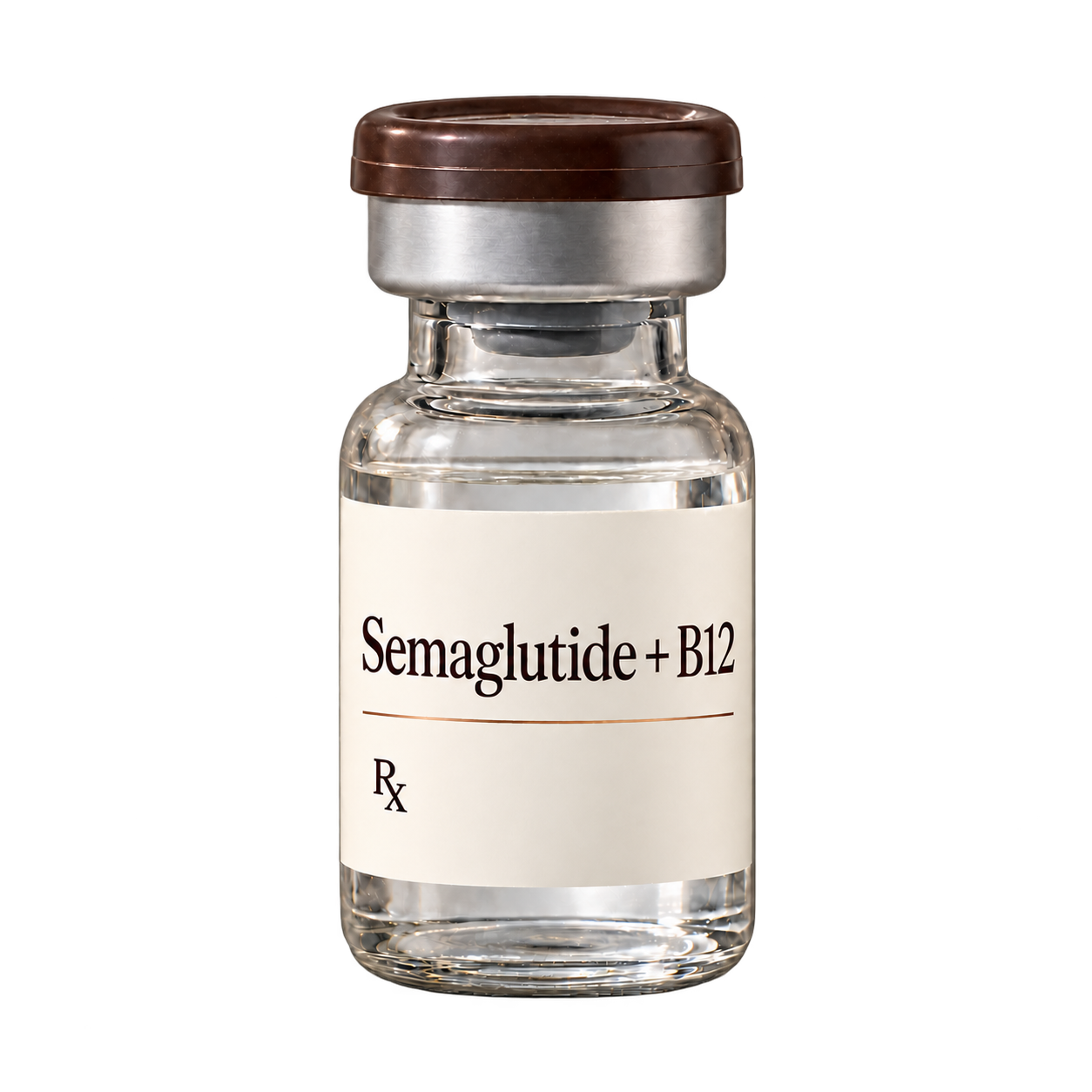
A semaglutide headache can happen while you are starting treatment or adjusting your dose. For many people, it is related to common GLP-1 side effects like nausea, reduced appetite, and not getting enough fluids or calories. This page explains likely causes, what you can do safely at home, and the warning signs that should prompt a call to a clinician or urgent care. If you are unsure what is driving your symptoms, Vitals Vault can help you start with labs and share results with a clinician.
- Semaglutide headache can occur and is usually manageable, but sudden severe headache needs urgent evaluation.
- Headaches may be linked to nausea, low fluid intake, vomiting, or reduced food intake while on semaglutide.
- Persistent headache with severe stomach pain, repeated vomiting, or dehydration symptoms warrants a clinician call.
- If you use insulin or a sulfonylurea, low blood sugar can cause headache and needs prompt attention.
Can semaglutide cause headaches?
Common and usually temporary
Many headaches are mild and improve as your body adjusts. They can also improve when nausea and appetite changes settle and you are able to drink and eat more consistently.
Often tied to hydration and intake
GLP-1 medicines can cause nausea, vomiting, and decreased appetite. Any of these can lead to dehydration or low calorie intake, which can trigger headaches.
Sometimes a signal to check safety
A new severe headache, headache with neurologic symptoms, or headache plus signs of dehydration or severe GI symptoms should not be brushed off. Those situations need prompt medical advice or urgent evaluation.
Why headaches happen and what may help
Nausea and dehydration
Semaglutide commonly causes nausea and can cause vomiting or diarrhea. If you are not keeping up with fluids, dehydration can cause headache, dizziness, dark urine, or feeling faint. Focus on steady fluids and contact a clinician if you cannot keep fluids down.
Not eating enough
Reduced appetite is expected with semaglutide. Skipping meals or eating much less than usual can trigger headaches in some people. Small, regular meals and protein forward snacks can help you maintain steadier energy.
Low blood sugar with certain meds
Semaglutide by itself has a low risk of hypoglycemia, but the risk increases if it is used with insulin or an insulin secretagogue such as a sulfonylurea. Low blood sugar can feel like headache, shakiness, sweating, confusion, or fast heartbeat and needs prompt attention.
Kidney stress from fluid loss
Severe vomiting or diarrhea can lead to dehydration and worsen kidney function, including acute kidney injury. If headache comes with very low urine output, swelling, severe weakness, or ongoing GI losses, contact a clinician urgently.
Pancreatitis and gallbladder disease
Headache is not the hallmark symptom, but severe abdominal pain, nausea, and vomiting can occur with pancreatitis or gallbladder problems, which are labeled risks with GLP-1 medicines. If you have severe stomach pain that will not go away, especially with vomiting, seek urgent evaluation.
When it is not the medication
Headaches are common in general and can be caused by stress, poor sleep, caffeine changes, infections, or migraines. If headaches are new, frequent, or different for you, it is reasonable to review the timing, triggers, and other symptoms with a clinician.
| What you notice | What it may mean | What you can do now | When to escalate |
|---|---|---|---|
| Headache with nausea and low fluid intake | Dehydration or not enough intake due to GI side effects | Sip fluids regularly and try bland foods you tolerate | Call if you cannot keep fluids down or feel faint |
| Headache with shakiness or sweating (especially with insulin or sulfonylurea) | Possible low blood sugar | Check glucose if you monitor and follow your clinician’s safety plan | Seek urgent help for confusion, severe weakness, or passing out |
| Headache plus severe, persistent belly pain and vomiting | Possible serious GI complication needing evaluation | Do not wait it out at home | Urgent care or emergency evaluation is appropriate |
| Sudden worst headache, neurologic symptoms, or stiff neck | Possible emergency unrelated to semaglutide | Treat as an emergency | Call emergency services |
When to call a clinician or seek urgent care
Call soon for persistent headaches
Contact a clinician if headaches are frequent, worsening, or interfering with daily life, especially after a dose change. Bring details about timing, food and fluid intake, and any other symptoms so they can assess likely causes.
Call urgently for dehydration signs
Seek prompt advice if you have repeated vomiting or diarrhea, cannot keep fluids down, feel lightheaded when standing, or have very dark urine. Dehydration can become serious quickly and may require medical treatment.
Urgent evaluation for severe belly pain
Get urgent evaluation for severe abdominal pain that does not go away, especially with vomiting. This can be a warning sign for pancreatitis or gallbladder disease, which are labeled risks with semaglutide products.
Emergency care for neurologic symptoms
Call emergency services for a sudden severe headache, weakness on one side, trouble speaking, vision changes, confusion, fainting, or a stiff neck with fever. These can signal a medical emergency that needs immediate care.
Pro tips to reduce headache risk
Hydrate on a schedule
If nausea limits drinking, try small sips frequently instead of large amounts at once.
Do not skip meals
Aim for small, regular meals to avoid low intake related headaches.
Track patterns
Note timing versus injections, meals, sleep, caffeine, and nausea to spot triggers.
Review diabetes meds
If you use insulin or sulfonylureas, ask about hypoglycemia prevention.
Bring red flags up early
Severe belly pain, repeated vomiting, or fainting should prompt urgent outreach.
Frequently Asked Questions
Is a semaglutide headache normal when starting?
It can be. Headache is reported with FDA approved semaglutide products, and it may also happen from nausea, reduced intake, or dehydration early in treatment. If headaches are severe, persistent, or new for you, contact a clinician.
How long does a semaglutide headache last?
There is no single timeline, because headaches can come from different causes like dehydration, low intake, or low blood sugar. Many people find symptoms improve as GI side effects improve and hydration and nutrition stabilize. Ongoing or worsening headaches should be reviewed by a clinician.
What helps a headache while on semaglutide?
If nausea or low intake is part of the problem, steady fluids and small, regular meals can help. If you have diabetes and use insulin or a sulfonylurea, check for low blood sugar per your clinician’s plan. Seek urgent care for sudden severe headache or neurologic symptoms.
When is a headache on semaglutide an emergency?
Treat it as an emergency if it is sudden and severe, or if it comes with weakness, trouble speaking, confusion, fainting, or vision changes. Also seek urgent evaluation for severe abdominal pain with vomiting, which can signal a serious complication. When in doubt, err on the side of urgent care.
Can Vitals Vault labs diagnose why I have headaches on semaglutide?
Labs do not diagnose headaches, but they can help check for issues that may contribute, such as dehydration related changes or metabolic problems. You can share results with a clinician to interpret them in context. Sudden or severe symptoms should be evaluated urgently rather than starting with labs.