
Best time to take tirzepatide: what to pick
The best time to take tirzepatide is a day and time you can repeat weekly. Stick with it, and adjust if side effects bother you.
Key facts
- Tirzepatide + B12 is $169/month (billed $169 every 4 weeks), charged only after a clinician approves it.
- Answer a few health questions online. A licensed clinician reviews them. If approved, it ships to your door.
- Adults 18 or older. A licensed clinician reviews your health history and decides whether treatment is appropriate for you. Availability depends on the state you live in.


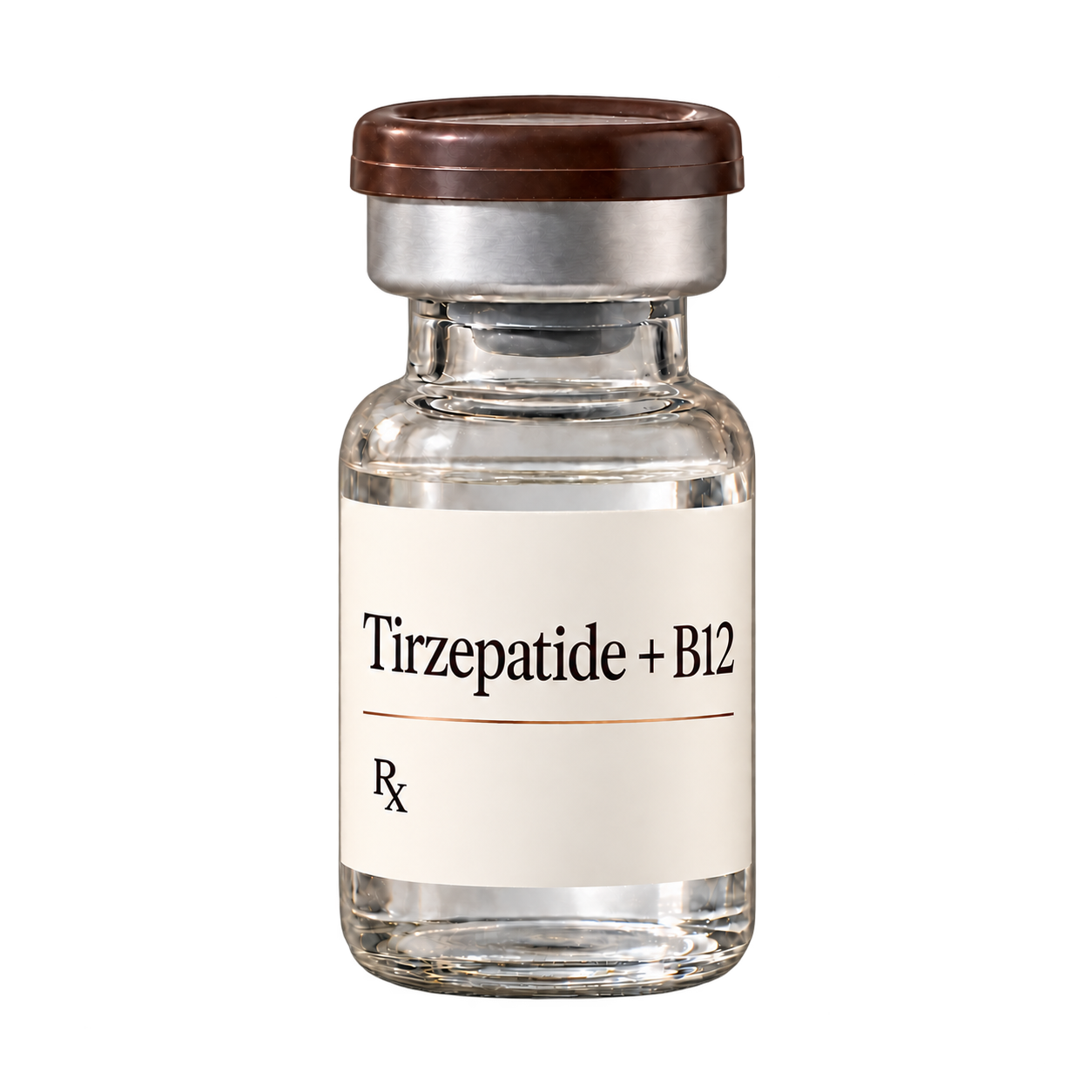
There is not one universally best time to take tirzepatide. For most people, the best choice is a weekly day and time you can repeat consistently, because the medication is designed for once-weekly dosing. This page explains how to pick a practical schedule, what the label says about missed doses, and when timing problems should trigger a clinician check-in. If you are using Vitals Vault, your plan can include clinician guidance and support around side effects and scheduling.
- The best time to take tirzepatide is a weekly day and time you can keep consistently.
- You can take it with or without food, so meals do not need to drive timing.
- If nausea or fatigue bothers you, consider a time that lets you rest after dosing.
- If you miss a dose, follow the label timing window and avoid doubling up.
Best time to take tirzepatide
Morning vs evening
The label does not require a specific time of day. Many people choose a time that fits their routine and lets them manage possible stomach side effects, such as choosing a time when they can take it easy if nausea occurs.
Weekday vs weekend
Either can work. If side effects tend to be strongest soon after a dose, some people prefer a day that gives them flexibility the next day. If you travel often, pick a day you are usually home so you can keep your schedule steady.
With food or without
Tirzepatide can be taken with or without food, so you do not need to coordinate injections with meals. If you notice certain foods worsen nausea, adjusting what you eat around dosing may help more than changing the time.
How to choose your weekly timing
Aim for the same day weekly
Tirzepatide is intended for once-weekly use. Choosing a consistent weekly day and time can reduce missed doses and make side effects easier to anticipate and plan around.
If you need to change the day
The prescribing information allows changing the day of weekly administration as long as the time between doses is at least 3 days. If you are unsure how to shift your schedule safely, ask your prescriber for a plan.
If you miss a dose
The label gives a specific window for taking a missed dose and when to skip it and resume the next scheduled dose. Follow those instructions and avoid taking extra doses to catch up.
If nausea is your main issue
Nausea and other gastrointestinal effects are among the most common side effects of tirzepatide in clinical studies. Timing your weekly dose for when you can rest, hydrate, and eat smaller meals may make the first day or two easier.
If you use insulin or sulfonylureas
Tirzepatide can increase the risk of low blood sugar when used with insulin or medicines that increase insulin release, such as sulfonylureas. If you have symptoms of low blood sugar, contact your clinician promptly because medication adjustments may be needed.
Injection sites and technique
FDA-approved tirzepatide products include Instructions for Use that describe where to inject and how to administer the medicine. If you are prescribed compounded tirzepatide, your prescribing clinician and dispensing pharmacy should provide the specific administration instructions for your product.
When to talk to a clinician about timing
Persistent vomiting or dehydration
If nausea progresses to repeated vomiting, inability to keep fluids down, dizziness, or signs of dehydration, contact a clinician. These symptoms can become serious and may require changes to your treatment plan or evaluation for complications.
Severe stomach pain
Severe abdominal pain that does not go away, with or without vomiting, should be evaluated urgently. GLP-1 based medicines, including tirzepatide, carry warnings about pancreatitis and gallbladder problems.
Symptoms of low blood sugar
Shakiness, sweating, confusion, fast heartbeat, or fainting can be signs of low blood sugar, especially if you also use insulin or a sulfonylurea. Timing alone may not fix this, so contact your clinician to review your full regimen.
Allergic reaction signs
Get emergency care for swelling of the face, lips, tongue, or throat, trouble breathing, or widespread rash. Serious hypersensitivity reactions are listed in prescribing information for FDA-approved tirzepatide products.
Practical timing tips
Set a weekly reminder
Use a calendar alert so your dosing day stays consistent.
Plan lighter meals after dosing
Smaller, lower-fat meals may feel easier if nausea shows up.
Avoid big schedule shifts
If you must change days, keep at least 3 days between doses.
Travel: keep the same local time
Pick a time you can match across time zones when possible.
Ask before changing anything
If side effects drive timing changes, check in with your clinician.
Frequently Asked Questions
What is the best time to take tirzepatide each week?
There is no single best clock time in the prescribing information. The best time to take tirzepatide is a weekly day and time you can repeat consistently, because it is intended for once-weekly dosing.
What is the best time of day to take tirzepatide?
The label does not require morning or evening dosing. Choose a time of day you can keep steady and that fits how you feel after injections, especially if you tend to have nausea or fatigue soon after a dose.
Can I take tirzepatide with food, or should I fast?
FDA-approved tirzepatide products can be taken with or without meals. If you feel nauseated, changing what you eat around dosing may help more than changing the time of day.
If I miss my tirzepatide dose, when should I take it?
The prescribing information provides a specific time window for taking a missed dose and when to skip it and resume your next scheduled dose. Follow the label instructions and contact your prescriber if you are unsure how to get back on schedule.
Is it safe to change my tirzepatide injection day?
The label allows changing the day of weekly administration as long as the time between doses is at least 3 days. If you are changing days because of side effects or other medicines you take, discuss the change with a clinician first.