
Ozempic headache: why it happens and what helps
Ozempic headache can happen, often from dehydration or low intake. Learn practical relief steps and when headaches need urgent care.
Key facts
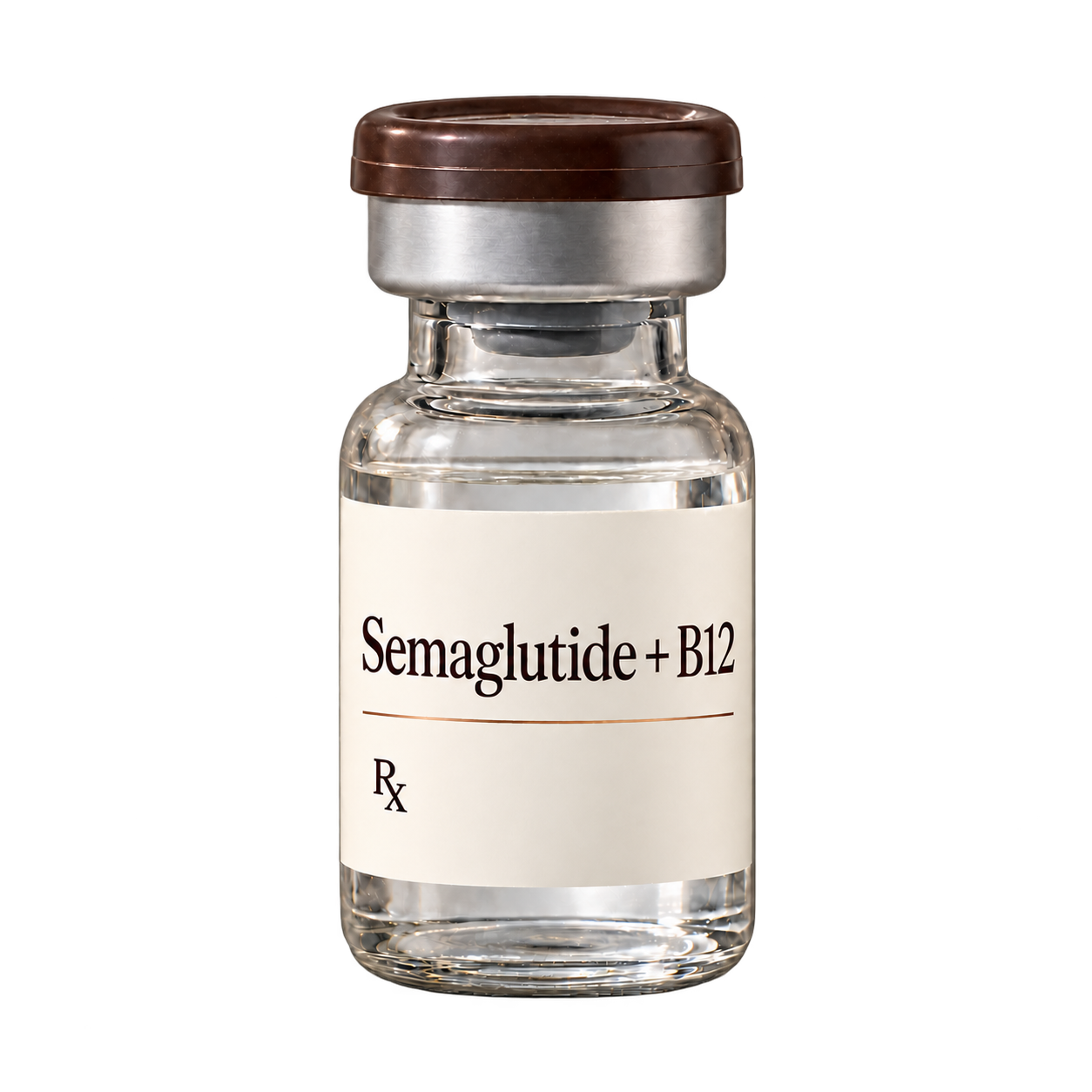
- Semaglutide + B12 is $157/month (billed $157 every 4 weeks), charged only after a clinician approves it.
- Answer a few health questions online. A licensed clinician reviews them. If approved, it ships to your door.
- Adults 18 or older. A licensed clinician reviews your health history and decides whether treatment is appropriate for you. Availability depends on the state you live in.


An ozempic headache can be unsettling, especially if it starts soon after beginning semaglutide or after a dose increase. Headache is reported with semaglutide, and it may also happen indirectly when nausea, vomiting, or diarrhea lead to dehydration or low intake. This guide explains common reasons headaches happen on Ozempic (semaglutide), what usually helps, and when to treat it as urgent. If you want to check for possible contributors like dehydration or metabolic changes, Vitals Vault can help you start with labs and share results with a clinician.
- Ozempic headache can occur, and it is often tied to dehydration or low food intake.
- Nausea, vomiting, and diarrhea can indirectly trigger headaches by lowering fluids and electrolytes.
- A sudden, severe headache or headache with neurologic symptoms needs urgent medical evaluation.
- If headaches are persistent or worsening, ask your prescriber to review timing, other meds, and hydration.
Is headache a side effect of Ozempic?
Direct medication effect
Some people report headache while taking semaglutide. If it is mild and short-lived, it may improve as your body adjusts, but persistent symptoms should be discussed with your prescriber.
Indirect effects from GI symptoms
Semaglutide commonly causes gastrointestinal side effects. When nausea, vomiting, or diarrhea reduce your fluid and food intake, headaches can follow from dehydration, low calories, or electrolyte shifts.
Sometimes it is unrelated
Headaches can come from many causes such as stress, sleep changes, caffeine withdrawal, infections, or other medications. The key is whether the timing lines up with semaglutide changes and whether there are warning signs.
Why semaglutide and headaches can go together
Dehydration
Nausea, vomiting, and diarrhea can make it hard to keep up with fluids. Dehydration is a common, fixable reason for headache while on GLP-1 medicines, and it can also contribute to dizziness, weakness, and constipation.
Not eating enough
Semaglutide can reduce appetite and slow stomach emptying, so you may unintentionally eat too little. Low intake can trigger headaches in some people, especially if you skip meals or go long stretches without food.
Low blood sugar (hypoglycemia)
Semaglutide can increase the risk of low blood sugar when used with insulin or insulin secretagogues (such as sulfonylureas). Headache can be one symptom of low blood sugar, along with shakiness, sweating, confusion, or fast heartbeat.
Kidney problems from dehydration
Severe vomiting or diarrhea can lead to dehydration, which can worsen kidney function. Contact a clinician promptly if you cannot keep fluids down, have very little urine, or feel faint, because kidney injury has been reported with GLP-1 receptor agonists in the setting of dehydration.
Pancreatitis warning symptoms
Pancreatitis has been reported with semaglutide. The classic symptom is persistent, severe abdominal pain that may radiate to the back, sometimes with vomiting. While headache is not the hallmark symptom, severe systemic illness symptoms should be evaluated urgently.
Gallbladder disease warning symptoms
Acute gallbladder disease has been reported with GLP-1 receptor agonists. If a headache occurs along with right upper abdominal pain, fever, or jaundice, seek medical evaluation because the combination may signal an illness beyond a medication side effect.
| What you notice | Possible contributor | What may help to review |
|---|---|---|
| Headache with nausea or diarrhea | Dehydration or electrolyte shifts | Hydration plan, anti-nausea options, and whether symptoms are severe |
| Headache on days you eat very little | Low intake or skipped meals | Meal timing, protein tolerance, and GI symptom control |
| Headache with shakiness or sweating | Low blood sugar (higher risk with insulin or sulfonylureas) | Medication interactions and whether glucose monitoring is needed |
| Headache that is new and persistent | Could be medication-related or unrelated | Other meds, caffeine changes, sleep, blood pressure, and red flags |
When to call your clinician about headaches
Headache is persistent or worsening
Call if headaches keep returning, are getting more intense, or are interfering with daily activities. Your clinician can review whether the timing matches semaglutide changes and whether another cause needs evaluation.
You cannot keep fluids down
Vomiting or diarrhea that prevents you from drinking enough can lead to dehydration and kidney problems. Contact a clinician promptly if you have signs of dehydration such as dizziness, very dark urine, or reduced urination.
Symptoms of low blood sugar
If you also have shakiness, sweating, confusion, or fast heartbeat, reach out quickly, especially if you use insulin or a sulfonylurea. Your prescriber may need to reassess your overall diabetes medication plan.
Severe abdominal pain or jaundice
Persistent severe abdominal pain, especially with vomiting, can be a warning sign for pancreatitis. Right upper abdominal pain, fever, or yellowing of the skin or eyes can suggest gallbladder or liver-related issues that need evaluation.
Pro tips to reduce headache risk
Hydrate consistently
Sip fluids throughout the day, especially if you have nausea or diarrhea.
Do not skip meals
Small, regular meals can help if appetite is low.
Plan for GI side effects
Ask your clinician what to do if nausea, vomiting, or diarrhea becomes hard to manage.
Review other triggers
Caffeine changes, poor sleep, and new meds can also drive headaches.
Know your red flags
Sudden severe headache or neurologic symptoms should be treated as urgent.
Frequently Asked Questions
Is ozempic headache dangerous?
Often it is not dangerous and may relate to dehydration or not eating enough during nausea or diarrhea. However, a sudden severe headache or headache with neurologic symptoms needs urgent evaluation. Persistent or worsening headaches should be discussed with your clinician.
Can semaglutide and headaches be related to dehydration?
Yes. Semaglutide can cause nausea, vomiting, and diarrhea, which can lead to dehydration and trigger headaches. If you cannot keep fluids down or have signs of dehydration, contact a clinician promptly.
Can Ozempic cause low blood sugar headaches?
Semaglutide can increase the risk of low blood sugar when used with insulin or medicines like sulfonylureas. Headache can occur with low blood sugar along with shakiness, sweating, or confusion. Contact your prescriber if you have these symptoms.
Should I stop Ozempic if I get headaches?
Do not stop or change any prescription medication without talking with your prescriber. Instead, contact a clinician to review your symptoms, hydration, food intake, and other medications, and to rule out warning signs that need urgent care.
Can I use Vitals Vault to check what might be causing my headaches?
Vitals Vault can help you start with labs that may identify contributors such as metabolic changes, and you can share results with a clinician. Labs do not diagnose the cause of a headache, and severe or sudden symptoms should be evaluated urgently rather than handled through lab ordering.