
Does tirzepatide cause insomnia?
Does tirzepatide cause insomnia? It is not a listed common side effect, but sleep changes can happen indirectly. Here is what may contribute.
Key facts
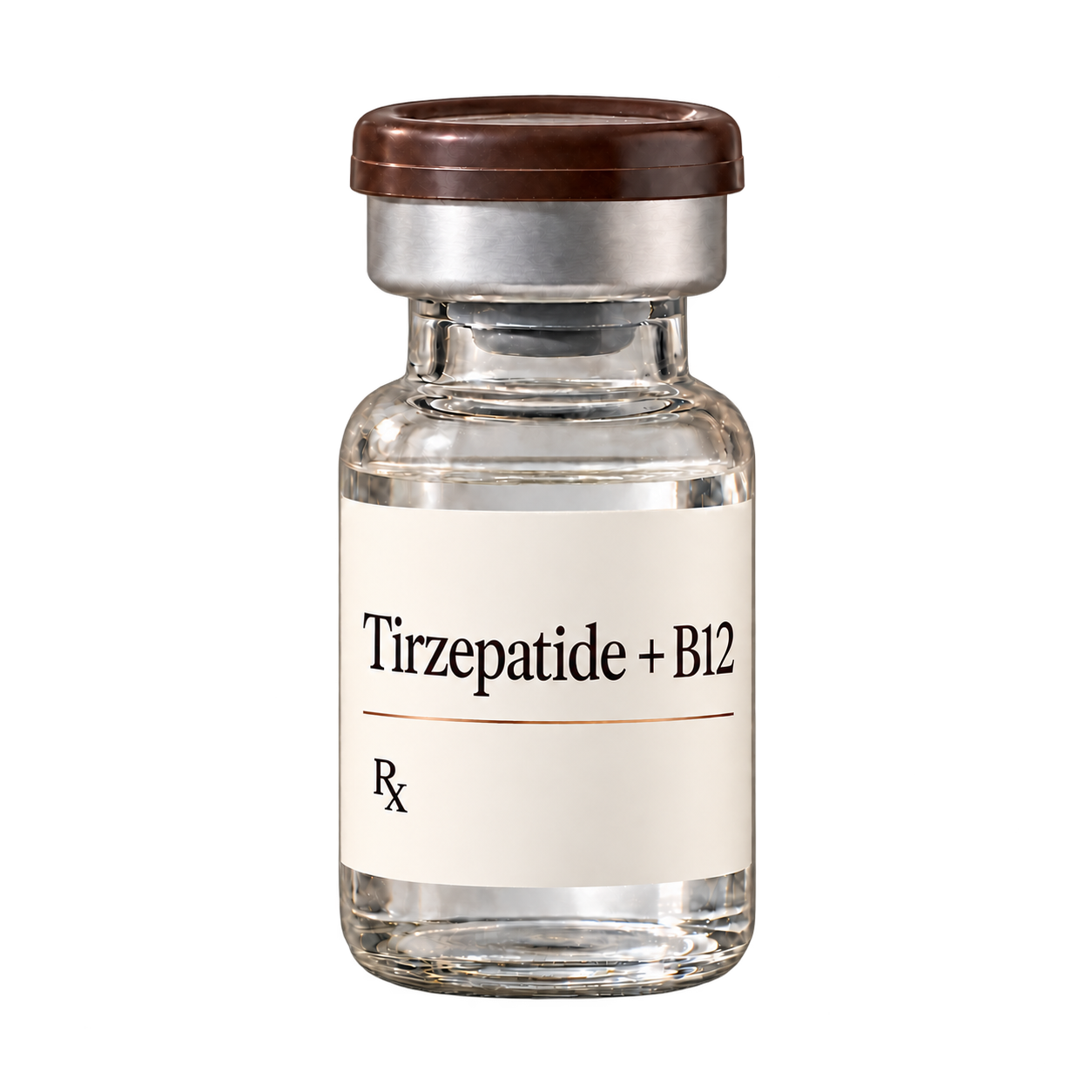
- Tirzepatide + B12 is $169/month (billed $169 every 4 weeks), charged only after a clinician approves it.
- Answer a few health questions online. A licensed clinician reviews them. If approved, it ships to your door.
- Adults 18 or older. A licensed clinician reviews your health history and decides whether treatment is appropriate for you. Availability depends on the state you live in.


If you are asking “does tirzepatide cause insomnia,” the most direct answer is that insomnia is not typically listed as a common adverse reaction in FDA labeling for tirzepatide. Still, some people report sleep trouble while using GLP-1 based medicines, and there are several plausible reasons it can happen. This guide explains the most likely indirect causes, what to watch for, and when to contact a clinician.
- Does tirzepatide cause insomnia? It is not listed as a common side effect, but sleep changes can occur.
- Nausea, reflux, and reduced appetite can disrupt sleep, especially after dose changes.
- Low blood sugar is more likely if combined with insulin or sulfonylureas and can wake you at night.
- Seek urgent care for severe belly pain, trouble breathing, or allergic swelling.
Does tirzepatide cause insomnia?
Not a typical listed reaction
In the FDA label for tirzepatide, the most commonly reported adverse reactions are gastrointestinal, such as nausea, diarrhea, decreased appetite, vomiting, constipation, dyspepsia, and abdominal pain. Trouble sleeping is not highlighted as a common adverse reaction in labeling.
Indirect sleep disruption is possible
Even if a medication does not directly cause insomnia, symptoms it triggers can keep you awake. For tirzepatide, that often means nausea, heartburn or reflux, and stomach discomfort, which may be more noticeable around dose escalation.
Medication combinations matter
Tirzepatide can increase the risk of low blood sugar when used with insulin or insulin secretagogues such as sulfonylureas. Low blood sugar symptoms can include sweating, shakiness, and palpitations, which can interrupt sleep.
Why your sleep might change on tirzepatide
Nausea or stomach upset at night
Nausea and vomiting are among the most common adverse reactions in tirzepatide labeling. If nausea peaks in the evening for you, it can make it harder to fall asleep or can wake you up. Persistent vomiting can also lead to dehydration, which may worsen how you feel overnight.
Reflux or indigestion
Dyspepsia (indigestion) is listed among common adverse reactions. Reflux symptoms can feel worse when you lie down, which may lead to frequent waking. If reflux is new, severe, or associated with chest pain, you should get evaluated promptly.
Eating less or eating differently
Decreased appetite is a common adverse reaction. If you are unintentionally skipping meals, eating too little late in the day, or changing caffeine intake to manage nausea, your sleep schedule can shift. A clinician can help you plan meals that are easier on your stomach while meeting your needs.
Low blood sugar risk with certain drugs
Tirzepatide labeling warns that hypoglycemia is more likely when tirzepatide is used with insulin or sulfonylureas. Nighttime low blood sugar can cause sweating, nightmares, restlessness, and waking up feeling shaky. This is a medication safety issue to review with your prescriber, especially after dose changes.
Dehydration and kidney stress
The FDA label includes warnings about acute kidney injury, sometimes in the setting of nausea, vomiting, diarrhea, or dehydration. If you are up at night with ongoing vomiting or diarrhea, that can disrupt sleep and can also be a sign you need medical advice.
Anxiety about side effects
Worrying about nausea, vomiting, or bathroom urgency can make it harder to relax at bedtime. If you notice sleep anxiety building, it is reasonable to discuss symptom control strategies and whether another cause of insomnia is present.
| What you notice | How it could relate to tirzepatide | What to discuss with a clinician |
|---|---|---|
| Trouble falling asleep after dose changes | GI side effects may be more noticeable during titration | Timing of symptoms, hydration, and nausea control options |
| Waking with sweating or shakiness | Possible hypoglycemia risk if on insulin or sulfonylurea | Medication interactions and whether glucose monitoring is needed |
| Waking with heartburn | Dyspepsia is a listed adverse reaction | Reflux management and whether symptoms suggest another condition |
| Severe belly pain that will not go away | Label warnings include pancreatitis and gallbladder disease | Urgent evaluation for abdominal pain with or without vomiting |
When to talk to a clinician about insomnia on tirzepatide
Insomnia lasts more than a week
If sleep trouble persists, it is worth checking for indirect causes such as nausea, reflux, or changes in eating patterns. A clinician can also screen for other common insomnia drivers, including stress, sleep apnea, thyroid disease, or stimulant use.
Night symptoms suggest hypoglycemia
If you wake up sweaty, shaky, confused, or with a racing heart, contact your clinician promptly, especially if you use insulin or a sulfonylurea. Tirzepatide labeling notes higher hypoglycemia risk with these combinations, and medication adjustments may be needed.
Severe abdominal pain or persistent vomiting
Get urgent medical evaluation for severe abdominal pain that does not go away, with or without vomiting. The tirzepatide label warns about pancreatitis and gallbladder disease, and severe symptoms should not be managed at home.
Signs of allergic reaction
Seek emergency care for swelling of the face, lips, tongue, or throat, trouble breathing, or widespread rash. Hypersensitivity reactions are a serious safety concern described in labeling for tirzepatide products.
Practical tips that may help
Keep meals gentle and consistent
If nausea is driving insomnia, ask about meal timing and foods that are easier to tolerate.
Avoid late caffeine changes
If you add caffeine to fight fatigue, keep it earlier in the day to protect sleep.
Do not ignore nighttime shakiness
If you use insulin or sulfonylureas, report possible low blood sugar symptoms promptly.
Ask about reflux management
Indigestion can worsen when lying down. A clinician can suggest safe options.
Review other sleep disruptors
Stress, alcohol, nicotine, and sleep apnea can overlap with medication side effects.
Frequently Asked Questions
Does tirzepatide cause insomnia?
Insomnia is not listed as a common adverse reaction in FDA prescribing information for tirzepatide. Sleep can still be affected indirectly by nausea, indigestion, appetite changes, or low blood sugar risk when tirzepatide is used with insulin or sulfonylureas.
Can nausea from tirzepatide keep you awake?
Yes. Nausea and vomiting are among the most common adverse reactions listed for tirzepatide, and feeling sick at night can disrupt sleep. If nausea is persistent or severe, contact your clinician for evaluation and symptom management.
Can tirzepatide cause nighttime low blood sugar that wakes you up?
It can, especially if tirzepatide is used with insulin or sulfonylureas, which the FDA label notes can increase hypoglycemia risk. If you wake up sweaty, shaky, or confused, contact your clinician promptly to review your medication plan.
Is insomnia more likely when increasing a tirzepatide dose?
Sleep changes are often reported around times when gastrointestinal side effects flare, and GI side effects can be more noticeable during dose escalation. If insomnia starts after a dose change and does not improve, discuss it with your prescriber.
When should I seek urgent care for symptoms while on tirzepatide?
Get urgent evaluation for severe abdominal pain that does not go away, with or without vomiting, because labeling warns about pancreatitis and gallbladder disease. Seek emergency care for signs of a serious allergic reaction such as facial or throat swelling or trouble breathing.