
Does tirzepatide cause constipation?
Does tirzepatide cause constipation? Yes, in some people. Here is why it happens, what may help, and when to contact a clinician.
Key facts
- Tirzepatide + B12 is $169/month (billed $169 every 4 weeks), charged only after a clinician approves it.
- Answer a few health questions online. A licensed clinician reviews them. If approved, it ships to your door.
- Adults 18 or older. A licensed clinician reviews your health history and decides whether treatment is appropriate for you. Availability depends on the state you live in.


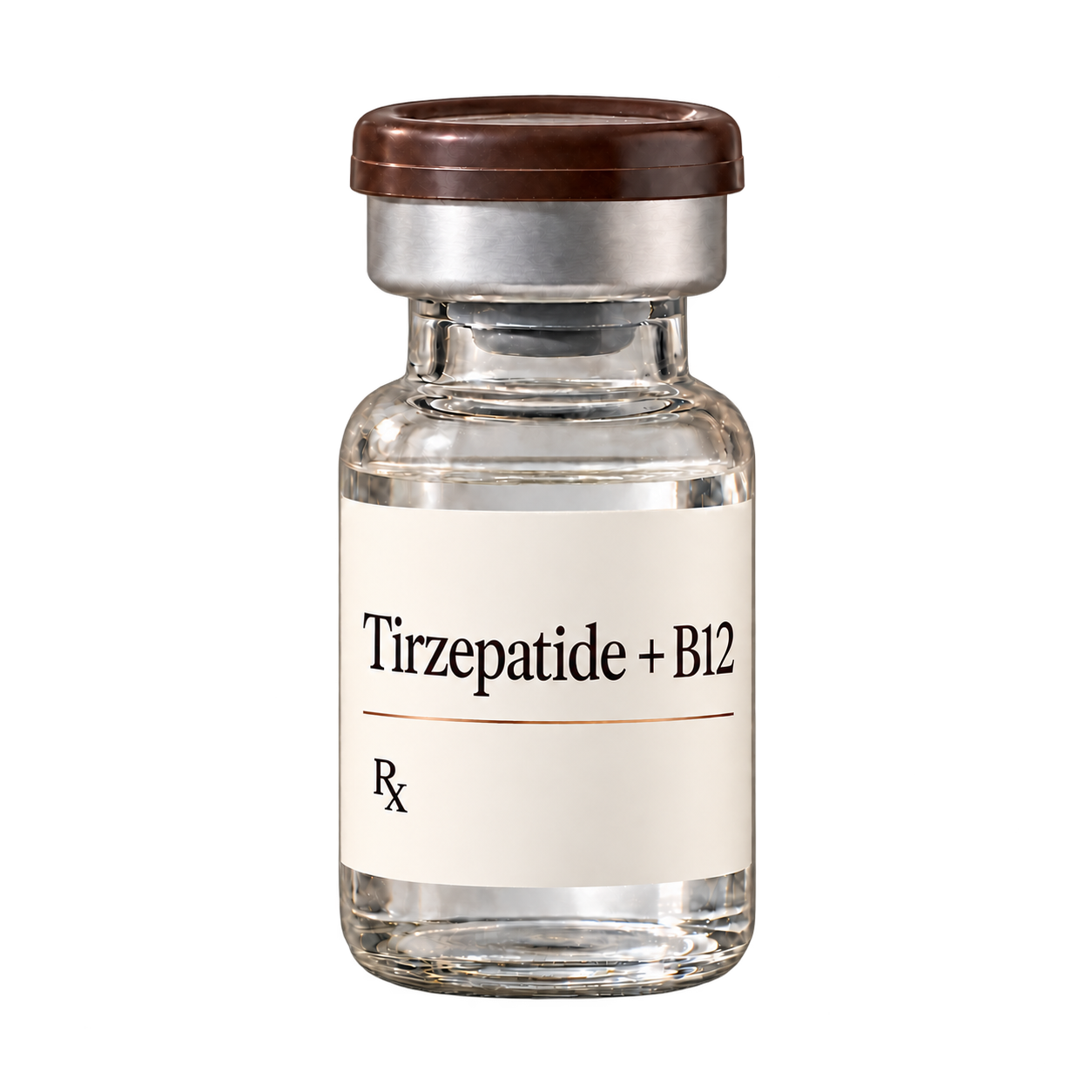
Yes, constipation can happen with tirzepatide. In clinical studies of FDA approved tirzepatide products, constipation was a reported gastrointestinal side effect, along with nausea, diarrhea, and vomiting. Constipation is usually manageable, but it can be uncomfortable and sometimes signals a problem that needs prompt medical attention. This guide explains why constipation can occur, what you can do safely, and when to contact a clinician. If you are using Vitals Vault labs or considering compounded tirzepatide, you can share symptoms and results with a licensed clinician for individualized guidance.
- Yes, tirzepatide can cause constipation, and it is listed as a common side effect.
- It may happen because tirzepatide slows stomach emptying and can slow gut movement.
- Mild constipation often improves with hydration, fiber, and activity, but ask your clinician first.
- Seek urgent care for severe belly pain, vomiting, or no gas or stool with swelling.
Does tirzepatide cause constipation?
How common is it?
Constipation occurred in clinical trials of tirzepatide and is included in the label as an adverse reaction. Your personal risk depends on factors like baseline bowel habits, diet, hydration, other medications, and how your body responds to GLP-1 and GIP activity.
Why it happens
Tirzepatide slows gastric emptying, meaning food leaves your stomach more slowly. That same slowing effect on the gastrointestinal tract can contribute to constipation, especially early in treatment or after dose increases.
When it matters most
Constipation is often mild, but severe or persistent constipation can lead to complications like dehydration or, rarely, bowel blockage. New severe abdominal pain, repeated vomiting, or inability to pass stool or gas needs urgent evaluation.
Constipation on tirzepatide: what may help and what to watch for
Common: constipation
Constipation is a known side effect of tirzepatide. It may be more noticeable if you are eating less, changing your diet quickly, or not drinking enough fluids because of nausea or reduced appetite. Tell your clinician if constipation is new, persistent, or affecting your ability to eat and drink.
Common: nausea and low intake
Nausea and reduced appetite can indirectly worsen constipation by lowering fluid and fiber intake. If nausea is limiting what you can tolerate, discuss it with your clinician because managing nausea can also make bowel habits easier to regulate.
Common: diarrhea alternating with constipation
Some people notice swings between loose stools and constipation while the gut adjusts. Track your pattern and hydration, and share it with your clinician, especially if you have dizziness, weakness, or signs of dehydration.
Serious: severe stomach pain with vomiting
Severe abdominal pain that does not go away, especially with vomiting, can be a warning sign of pancreatitis or gallbladder disease, which are listed warnings for tirzepatide. Do not try to manage this at home. Seek urgent medical care.
Serious: dehydration and kidney strain
Vomiting, diarrhea, or poor fluid intake can lead to dehydration, which can worsen kidney function. The tirzepatide label warns about acute kidney injury, sometimes in the setting of gastrointestinal side effects. Contact a clinician promptly if you cannot keep fluids down or you have decreased urination.
Serious: possible bowel obstruction symptoms
If you have severe bloating, worsening belly pain, and you cannot pass stool or gas, get urgent evaluation. While constipation is common, these symptoms can suggest a blockage that needs immediate care.
| Approach | Why it may help | When to be cautious |
|---|---|---|
| Hydration | Low fluid intake can harden stools and worsen constipation. | If you have vomiting or cannot keep fluids down, seek care. |
| Gradual fiber increase | Fiber can improve stool bulk and regularity over time. | Too much fiber too fast can worsen bloating and discomfort. |
| Regular movement | Activity can stimulate bowel motility for some people. | Avoid strenuous activity if you are dehydrated or dizzy. |
| Review other meds and supplements | Iron, some pain medicines, and some antacids can worsen constipation. | Do not stop prescribed medicines without clinician guidance. |
When to contact a clinician or seek urgent care
Call your clinician soon
Contact your clinician if constipation lasts more than a few days, keeps coming back, or is paired with worsening nausea, reduced urination, or trouble eating and drinking. Also reach out if you have a history of severe constipation or bowel disease and symptoms change after starting tirzepatide.
Seek urgent care now
Get urgent evaluation for severe or worsening abdominal pain, repeated vomiting, blood in stool, fainting, or signs of bowel obstruction such as marked bloating with inability to pass stool or gas. These symptoms need medical assessment, not home treatment.
If you use insulin or sulfonylureas
If you also use insulin or a sulfonylurea, discuss low blood sugar risk with your clinician. While this is not a constipation symptom, it can overlap with reduced intake from gastrointestinal side effects and may require closer monitoring.
Pro tips for managing constipation
Track your pattern
Note bowel frequency, stool consistency, and any dose changes to share with your clinician.
Go gradual with diet changes
Increase fiber slowly to avoid extra gas and bloating.
Hydrate consistently
Small, frequent fluids can be easier if you feel nauseated.
Ask before laxatives
Check with your clinician before starting over the counter constipation medicines.
Watch for red flags
Severe pain, vomiting, or no gas or stool needs urgent evaluation.
Frequently Asked Questions
Does tirzepatide cause constipation?
Yes. Constipation is listed among gastrointestinal side effects reported with tirzepatide in FDA approved product labeling. If it is persistent, severe, or paired with red flag symptoms, contact a clinician promptly.
Is constipation more likely when starting tirzepatide?
Gastrointestinal side effects are often noticed early in treatment or after dose increases, and constipation can be part of that pattern. Your clinician can help you plan symptom monitoring and supportive measures based on your history.
What are red flags with constipation on tirzepatide?
Seek urgent care for severe or worsening abdominal pain, repeated vomiting, blood in stool, fainting, or inability to pass stool or gas with significant bloating. These symptoms need medical evaluation rather than home management.
Can dehydration from tirzepatide side effects make constipation worse?
Yes. Vomiting, diarrhea, or reduced fluid intake can lead to dehydration, which can worsen constipation and may strain kidney function. The tirzepatide label warns about acute kidney injury, sometimes in the setting of severe gastrointestinal reactions.
Is compounded tirzepatide different for constipation risk?
Compounded medications are prepared by a licensed pharmacy for an individual prescription and are not FDA-approved. Side effects may still resemble those seen with FDA approved tirzepatide, but your prescribing clinician and dispensing pharmacy should counsel you on your specific product.