
NAD spray: what it is and how to shop
NAD spray is a compounded NAD+ nasal product. Here is what it is, who may consider it, the safety risks, and how access and pricing work.
Key facts
- NAD+ Injection is $250/month (billed $250 every 4 weeks), charged only after a clinician approves it.
- Answer a few health questions online. A licensed clinician reviews them. If approved, it ships to your door.
- Adults 18 or older. A licensed clinician reviews your health history and decides whether treatment is appropriate for you. Availability depends on the state you live in.
- A $20 clinician review, refunded if you don’t qualify.


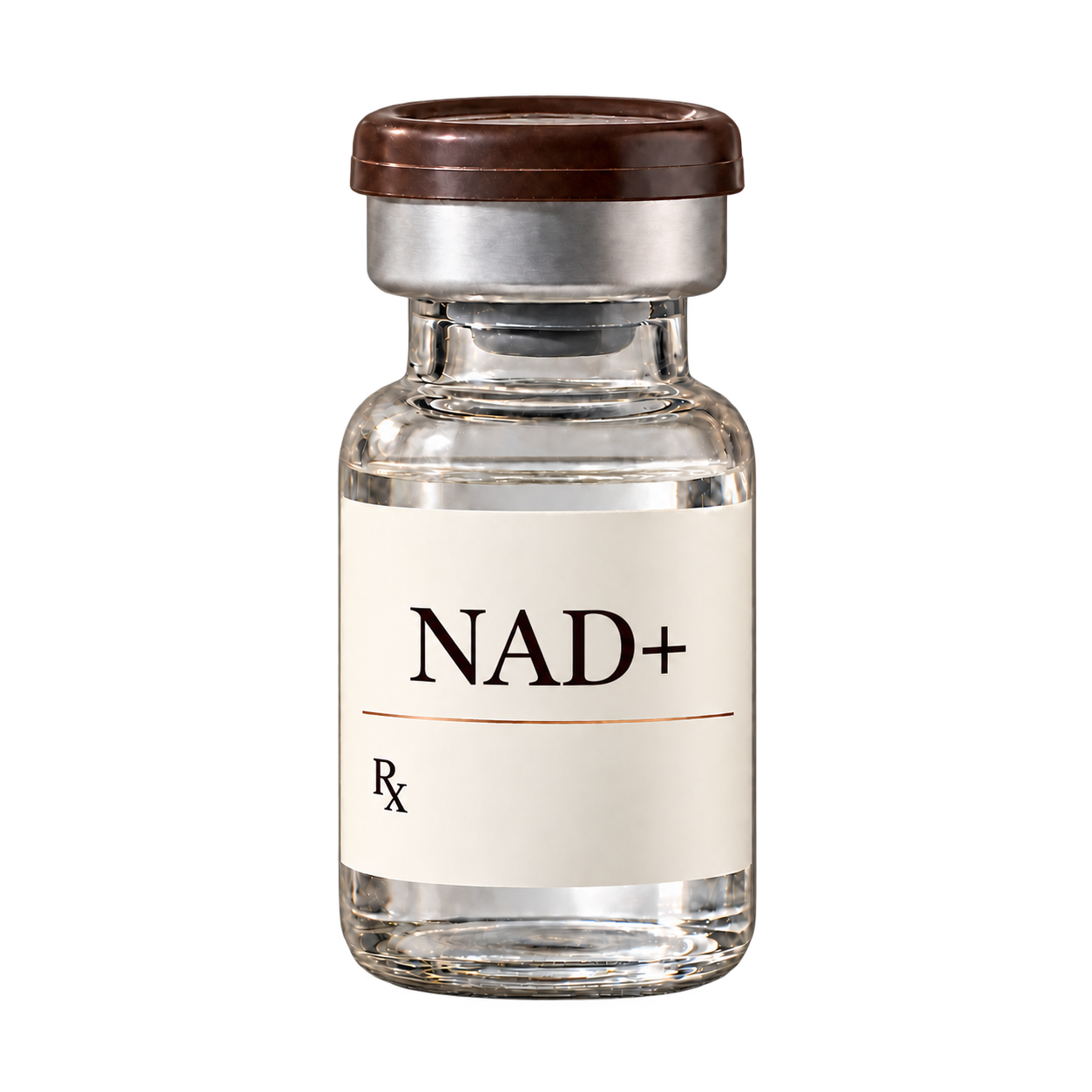
NAD spray usually refers to a nasal spray that contains NAD+ (nicotinamide adenine dinucleotide), a molecule your cells use to make energy. People shop for it for wellness goals, but clinical evidence for nasal NAD+ is limited and products are often compounded. This guide explains what NAD spray is, who may or may not be a good fit, what side effects to watch for, and how access and pricing typically work through Vitals Vault.
- NAD spray is typically a compounded NAD+ nasal product used for wellness, with limited human evidence.
- Compounded NAD+ is not FDA-approved and quality can vary by pharmacy.
- Expect individualized clinician screening, possible lab review, and follow-up for side effects and goals.
- Common issues are local nasal irritation and headache; seek urgent care for severe allergic symptoms.
What NAD spray is
NAD+ in plain terms
NAD+ is a coenzyme found in all living cells. It helps enzymes run chemical reactions involved in energy production and cellular repair processes. NAD+ levels and NAD+ metabolism are active areas of aging and metabolism research.
What “NAD spray” usually means
Most NAD nasal sprays sold through wellness channels are compounded preparations made by a pharmacy for an individual prescription. Compounded medications are not FDA-approved, and they do not have an FDA-reviewed label for safety and effectiveness.
How it differs from supplements
NAD+ is different from oral supplements marketed as NAD precursors, such as nicotinamide riboside (NR) or nicotinamide mononucleotide (NMN). Those are taken by mouth and are studied as ways to influence NAD+ biology, but they are not the same as a compounded NAD+ nasal product.
What is known and unknown
Human research on raising NAD+ through precursors exists, but evidence specifically for NAD+ delivered as a nasal spray is limited. If you are considering it, it helps to treat it as an individualized, clinician-guided wellness intervention rather than a proven therapy.
How NAD spray may work
Cell energy pathways
NAD+ participates in redox reactions, which are chemical steps your cells use to convert nutrients into usable energy. This role is central to metabolism in mitochondria, the parts of cells that generate energy.
Enzymes linked to aging biology
NAD+ is involved in the activity of enzymes such as sirtuins and PARPs that are studied for roles in DNA repair and cellular stress responses. This is one reason NAD+ is discussed in longevity research, although translating this biology into clinical outcomes is still uncertain.
What nasal delivery changes
A nasal spray is intended to deliver an ingredient through the nasal mucosa. For compounded NAD+ sprays, there is not an FDA-approved product label that establishes how much is absorbed, how blood levels change, or what clinical effects you should expect.
Why clinician review matters
Because evidence and product standards vary, a clinician review helps you weigh goals, other medications, and medical conditions. It also helps set expectations and decide what monitoring is reasonable for you.
Who may consider NAD spray
Wellness-focused adults
People often look for NAD spray as part of a broader wellness plan that includes sleep, nutrition, exercise, and management of medical conditions. If you are considering it, you will usually need a clinician to review your history and goals first.
People avoiding injections
Some people prefer a nasal route because they want to avoid injections. Keep in mind that nasal delivery can still cause local side effects, and the evidence base for nasal NAD+ is limited compared with established medical therapies for specific diagnoses.
People who can monitor symptoms
A reasonable candidate is someone who can track how they feel, report side effects promptly, and follow up if symptoms change. This matters because compounded products do not come with standardized FDA-approved safety information.
People with realistic expectations
NAD biology is promising, but it is not a guaranteed way to improve energy, cognition, or aging outcomes. If you are shopping for NAD spray, it helps to view it as an uncertain-benefit option that may or may not be worth trying after clinician review.
Who should avoid NAD spray or get medical advice first
Pregnancy or breastfeeding
If you are pregnant, trying to become pregnant, or breastfeeding, discuss any NAD-related product with a clinician first. Safety data for compounded NAD+ nasal products in these situations are limited, and risk tolerance is different when fetal or infant exposure is possible.
Significant nasal disease
Chronic nosebleeds, severe allergies, frequent sinus infections, recent nasal surgery, or significant nasal inflammation may increase irritation or make nasal delivery unreliable. A clinician can help decide whether a nasal product is appropriate or whether another approach is safer.
History of serious allergy
If you have had anaphylaxis or severe allergic reactions to medications or excipients, do not use a new compounded nasal product without clinician guidance. Compounded formulations can vary, including preservatives and other ingredients that may trigger reactions.
Complex medical conditions or many meds
If you have multiple chronic conditions or take several prescription medications, get a clinician review before trying NAD spray. This helps avoid overlooking interactions, overlapping side effects, or symptoms that should be evaluated as a medical problem rather than treated as “low energy.”
What to expect when shopping for NAD spray
A clinician screens for fit
Because NAD+ nasal spray is commonly compounded, access typically involves a medical intake and clinician review. The goal is to check whether your symptoms could reflect an underlying condition and whether a trial is reasonable given your history.
Labs may be requested
A clinician may ask for recent lab results before prescribing. Labs do not diagnose on their own, but they can help identify issues that should be addressed directly, such as anemia, thyroid problems, or metabolic risk factors.
Formulation and instructions vary
With compounded products, the dispensing pharmacy provides the formulation and patient instructions. You should expect to receive clear directions for use and storage from the pharmacy and to ask questions if anything is unclear.
Follow-up matters
If you start a plan, follow-up is important to review side effects, adherence, and whether the approach is meeting your goals. If you develop new or worsening symptoms, a clinician can help decide whether you need medical evaluation rather than continued use.
NAD spray side effects and safety
Nasal irritation or burning
Local irritation, burning, dryness, or an unpleasant taste can happen with nasal sprays in general, especially if the nasal lining is inflamed. If irritation is persistent, worsening, or associated with frequent nosebleeds, stop and contact a clinician for guidance.
Headache
Headache is a common, nonspecific symptom that can occur with many nasal products and with changes in sleep, hydration, and stress. If headaches are severe, sudden, or accompanied by neurologic symptoms, seek urgent evaluation.
Nausea or stomach upset
Some people report nausea with NAD-related products, although high-quality evidence for compounded nasal NAD+ is limited. If nausea is persistent or you cannot keep fluids down, contact a clinician to review other causes and next steps.
Allergic reaction
A serious allergic reaction can include hives, swelling of the face or throat, wheezing, or trouble breathing. This can be caused by the active ingredient or other formulation components. Seek emergency care for any signs of anaphylaxis.
Quality and variability risks
Compounded medications are prepared by a licensed pharmacy for an individual prescription and are not FDA-approved. That means potency, sterility, and ingredient consistency can vary, and safety information may be less standardized than for FDA-approved drugs.
Cost and access for NAD spray
What drives the cost
Pricing can vary based on the compounding pharmacy, formulation details, and whether your plan includes clinician visits and follow-up. Shipping, state-specific dispensing rules, and whether labs are needed can also affect your total out-of-pocket cost.
Insurance coverage is uncommon
Compounded wellness products are often not covered by insurance, and coverage rules vary widely. If you want to explore reimbursement, you can ask your insurer what documentation they require and whether compounded medications are eligible under your plan.
Where to see current prices
If current prices are available for this product, they are shown on this page in the price block. Use that information as a starting point, then confirm what is included in the plan, such as clinician consults, follow-ups, and any required lab review.
How to get NAD spray safely
- 1
Start with a medical intake
Share your goals, symptoms, medications, and medical history for clinician review.
- 2
Complete any requested labs
A clinician may ask for recent lab results before prescribing.
- 3
Review options with a clinician
Discuss expected benefits, uncertainties, side effects, and whether a trial makes sense for you.
- 4
Follow pharmacy instructions and check in
Use the dispensing pharmacy’s directions and follow up if you have side effects or no benefit.
Frequently Asked Questions
What is NAD spray used for?
Most people shop for NAD spray for general wellness goals such as energy or healthy aging support. It is commonly a compounded NAD+ nasal product, and evidence for clear clinical benefits from nasal NAD+ is limited. A clinician can help you decide whether it fits your goals and risks.
Is NAD spray the same as NAD+ spray?
Yes, many listings use “NAD spray” and “NAD+ spray” interchangeably to mean a nasal product containing NAD+. The exact formulation can vary when it is compounded. Ask the prescribing clinician or pharmacy what ingredients and concentrations are used.
Is nad spray FDA-approved?
Compounded NAD+ nasal sprays are not FDA-approved. Compounded medications are prepared by a licensed pharmacy for an individual prescription and are not FDA-approved. That is why clinician oversight and reputable pharmacy sourcing matter.
What are the side effects of nad spray?
Common issues can include nasal irritation, burning, or headache, similar to other nasal sprays. Serious reactions are uncommon but can include allergic reactions with trouble breathing or swelling. Seek urgent care for severe allergic symptoms or sudden, severe changes.
How much does nad spray cost?
Cost depends on the compounding pharmacy, what is included in your care plan, and whether labs are needed. If current prices are available, they are shown on this page in the price block rather than quoted in the article. A clinician can also explain what follow-up is included.