
NAD nasal spray: what it is and safety
NAD nasal spray is typically compounded and not FDA-approved. See what it is, who may consider it, key risks, and how access works.
Key facts
- NAD+ Injection is $250/month (billed $250 every 4 weeks), charged only after a clinician approves it.
- Answer a few health questions online. A licensed clinician reviews them. If approved, it ships to your door.
- Adults 18 or older. A licensed clinician reviews your health history and decides whether treatment is appropriate for you. Availability depends on the state you live in.
- A $20 clinician review, refunded if you don’t qualify.


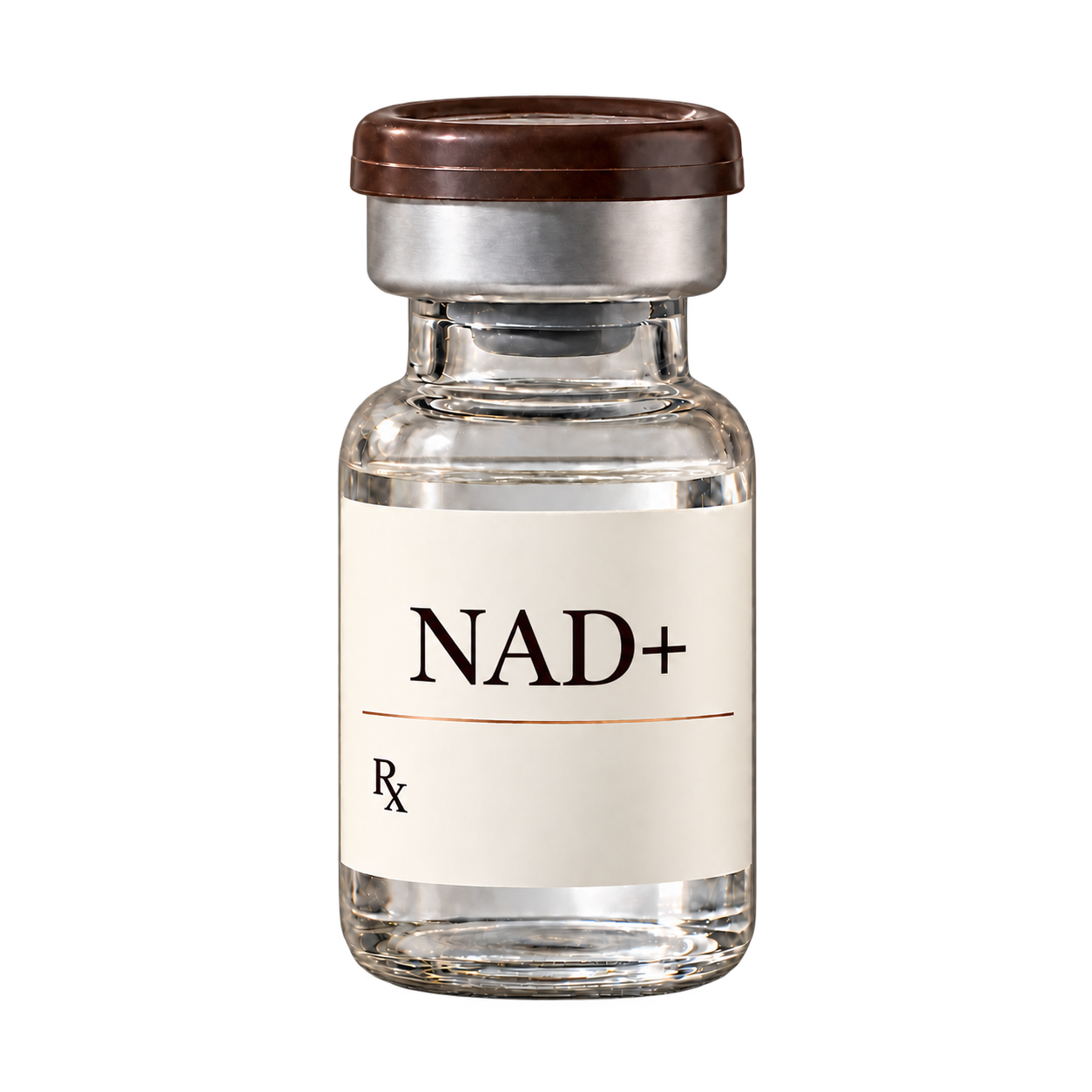
NAD nasal spray usually refers to intranasal nicotinamide adenine dinucleotide (NAD+), a molecule your cells use to make energy and support repair processes. Because there is no FDA-approved NAD+ nasal spray, products are typically compounded for an individual prescription, and evidence for specific outcomes is still limited. If you are considering NAD nasal spray through Vitals Vault, the goal is to make access more structured: a licensed clinician reviews your history, discusses realistic goals and safety, and may recommend labs before prescribing.
- NAD nasal spray is usually a compounded NAD+ product, not an FDA-approved medication.
- Human evidence for nasal NAD+ benefits is limited, so expectations should be cautious.
- Safety depends on your health history, other meds, and the compounding pharmacy’s quality controls.
- A licensed clinician should review risks, goals, and whether labs are needed first.
What NAD nasal spray is
NAD+ in a nasal spray
NAD+ is a naturally occurring coenzyme found in all living cells. A nasal spray is intended to deliver NAD+ through the nasal lining rather than as an oral supplement or an IV infusion. Products marketed as NAD nasal spray are commonly positioned for “wellness” or “longevity,” but that is not the same as an FDA-approved indication.
Usually compounded, not FDA-approved
In the US, there is no FDA-approved NAD+ nasal spray product with a published prescribing label. Many offerings are compounded, meaning a licensed pharmacy prepares the medication for an individual prescription. Compounded medications are not FDA-approved, and quality can vary by pharmacy and formulation.
Different from NR and NMN
You may also see nicotinamide riboside (NR) or nicotinamide mononucleotide (NMN), which are NAD+ precursors taken by mouth. These are dietary supplements, not prescription drugs, and they are not the same as intranasal NAD+. Evidence and safety considerations can differ across forms.
What it is not
NAD nasal spray is not a proven treatment for a specific disease, and it is not a substitute for addressing sleep, nutrition, exercise, mental health, or medical conditions that can drive fatigue or brain fog. If you have new or severe symptoms, it is safer to evaluate those directly rather than relying on a wellness product.
How NAD+ is thought to work
Cell energy and mitochondria
NAD+ helps cells transfer electrons during energy production, including processes in mitochondria. Because energy metabolism is fundamental, NAD+ is often discussed in relation to fatigue and physical performance. However, a plausible mechanism does not guarantee meaningful benefits from a nasal spray in real-world use.
DNA repair and stress responses
NAD+ is used by enzymes involved in DNA repair and cellular stress responses, including PARPs and sirtuins. These pathways are active in aging and inflammation research. Most of what is known comes from basic science and animal work, and it does not directly establish clinical outcomes for intranasal NAD+.
NAD+ levels change with age and illness
Research suggests NAD+ biology can shift with aging and certain disease states. That has led to interest in NAD+ boosting strategies. Whether intranasal NAD+ reliably raises NAD+ in target tissues or improves symptoms in humans is still an open question.
Absorption is a key unknown
Intranasal delivery can be useful for some medications, but the extent to which NAD+ is absorbed and reaches relevant tissues has not been established with the kind of data available for FDA-approved drugs. If a clinician recommends it, it should be framed as a trial with careful monitoring, not a guaranteed fix.
Who may consider NAD nasal spray
People seeking structured guidance
If you are considering NAD nasal spray, it can help to do it with clinician oversight rather than self-experimenting. A clinician can review your symptoms, medications, and medical history, and help you decide whether a trial is reasonable. They can also help you set measurable goals and a stop plan if it is not helping.
Those with non-urgent fatigue concerns
Some people look into NAD+ for low energy or “burnout.” Because fatigue has many causes, a clinician may recommend evaluating sleep, mood, thyroid function, anemia, nutrient deficiencies, and metabolic health first. This helps avoid missing a treatable medical issue.
People avoiding IV infusions
NAD+ is sometimes offered as an IV infusion in wellness settings. Some people prefer intranasal options to avoid infusion visits. Keep in mind that route changes can also change absorption and effects, and there is limited clinical evidence to compare routes.
Adults who can monitor effects
A reasonable candidate is someone who can track symptoms, side effects, and any changes in sleep, anxiety, headaches, or nasal irritation. If you have complex medical conditions or take multiple medications, clinician review matters more, not less.
Who should not use it without clinician review
Pregnant or breastfeeding
There is not enough evidence to establish safety of intranasal NAD+ in pregnancy or breastfeeding. If you are pregnant, trying to conceive, or breastfeeding, discuss safer alternatives with a clinician. In many cases, avoiding non-essential compounded therapies is the cautious approach.
Significant nasal or sinus disease
Chronic sinusitis, frequent nosebleeds, recent nasal surgery, or severe allergies can affect tolerability and absorption of intranasal products. A clinician may recommend treating nasal conditions first or choosing a different approach. Seek urgent care for heavy or persistent bleeding.
Complex medical conditions
If you have active cancer treatment, significant liver or kidney disease, uncontrolled cardiovascular disease, or neurologic conditions, do not start a compounded wellness therapy without a clinician who knows your case. Your symptoms may need targeted evaluation and monitoring.
Medication and supplement interactions
Even when a product is marketed as “natural,” interactions can still matter, especially if you take multiple prescriptions or high-dose supplements. Bring a complete medication list, including over-the-counter products, to your clinician. If you have had allergic reactions to compounded products before, mention that clearly.
What to expect if you try it
Evidence is limited
For NAD nasal spray specifically, high-quality human studies are limited. That means you should treat any trial as exploratory, with realistic expectations. If you are looking for a specific medical outcome, ask your clinician what evidence supports it and what alternatives have stronger data.
A trial should be time-limited
Because benefits are uncertain, many clinicians frame use as a defined trial with a check-in. You and your clinician can decide what would count as meaningful improvement and what side effects would mean stopping. This approach helps avoid long-term use without clear value.
You may need baseline labs
If your goal is energy, cognition, or general wellness, a clinician may want to rule out common contributors such as anemia, thyroid disease, metabolic issues, or nutrient deficiencies. Labs do not diagnose on their own, but they can provide useful context for a safer plan.
Product variability matters
Compounded nasal sprays can differ in concentration, excipients (inactive ingredients), and packaging. These differences can affect tolerability, shelf life, and how consistent dosing feels. Ask which pharmacy compounds it and what quality standards they follow.
Side effects and safety considerations
Nasal irritation or burning
Intranasal products can cause local irritation, burning, dryness, sneezing, or an unpleasant taste or drip into the throat. If symptoms are mild, a clinician may suggest adjusting timing or addressing underlying nasal inflammation. Stop and seek care if you develop significant swelling or trouble breathing.
Headache or lightheadedness
Some people report headaches or feeling lightheaded with wellness therapies, which can also reflect dehydration, sleep issues, caffeine changes, or anxiety. Track when symptoms occur and whether they resolve after stopping. Seek urgent care for a sudden severe headache or neurologic symptoms.
Nausea or stomach upset
Even though the product is intranasal, nausea can occur in some people with new supplements or medications. If nausea is persistent, severe, or associated with dehydration, talk with a clinician. Do not ignore nausea with chest pain, severe abdominal pain, or fainting.
Allergic reaction
Allergic reactions can be caused by NAD+ itself or by inactive ingredients used in compounding. Stop the product and seek urgent care for facial or throat swelling, wheezing, or widespread hives. Report any suspected reaction to the prescribing clinician and the dispensing pharmacy.
Contamination or compounding quality issues
Compounded medications are not FDA-approved, and their quality depends on the pharmacy’s processes. Poor sterility or formulation problems can increase risk of irritation, infection, or inconsistent dosing. Use only from a licensed pharmacy and follow storage and beyond-use guidance provided with the prescription.
Cost and access
What drives cost
Cost can vary based on the compounding pharmacy, the formulation and concentration, the amount dispensed, and whether follow-up visits are included. Shipping, state-specific pharmacy rules, and whether labs are recommended can also affect total cost. Current prices for the NAD+ plan are shown on this page in the price block.
Insurance coverage is uncommon
Because compounded NAD+ nasal spray is not FDA-approved and is generally used for wellness goals, insurance coverage is often limited. Some people use HSA or FSA funds depending on their plan rules, but you should confirm eligibility with your administrator. Ask for an itemized receipt if you plan to submit expenses.
Why access depends on state
Telehealth prescribing and pharmacy dispensing rules vary by state. Availability can depend on where you live, the clinician’s licensing, and which pharmacies can ship to your state. If you move or travel, ask how that affects refills and follow-ups.
What to look for in a program
A safer program includes a clinician review, clear follow-up expectations, and a licensed compounding pharmacy. You should be able to ask what the plan is monitoring and what would prompt stopping. Avoid any source that promises specific outcomes or discourages medical evaluation.
How to get NAD nasal spray safely
- 1
Clarify your goal and symptoms
Write down what you want to improve and any symptoms that need medical evaluation first.
- 2
Complete an intake with a clinician
Share your medical history, medications, allergies, and prior reactions to nasal sprays or compounded products.
- 3
Review whether labs are needed
A clinician may ask for recent lab results before prescribing, especially for fatigue or wellness goals.
- 4
Start with follow-up and monitoring
If prescribed, follow the clinician’s plan for check-ins and report side effects or lack of benefit.
Frequently Asked Questions
What is nad+ nasal spray?
NAD+ nasal spray usually refers to a compounded intranasal product containing nicotinamide adenine dinucleotide (NAD+). There is no FDA-approved NAD+ nasal spray, so products may vary by pharmacy and formulation. Discuss risks and realistic expectations with a licensed clinician.
Is NAD nasal spray FDA-approved?
No FDA-approved NAD+ nasal spray is available in the US. Many products are compounded, meaning they are prepared by a licensed pharmacy for an individual prescription and are not FDA-approved. Ask your clinician what quality and safety checks apply to your prescription.
What are the side effects of NAD nasal spray?
Possible effects include nasal irritation, burning or dryness, headache, nausea, and allergic reactions. Because compounded products vary, side effects can depend on inactive ingredients and pharmacy practices. Seek urgent care for signs of a severe allergic reaction.
How much does NAD nasal spray cost?
Cost depends on the compounding pharmacy, formulation, amount dispensed, and whether clinician follow-ups or labs are included. Insurance coverage is often limited for compounded wellness therapies. Current prices, when available, are shown on this page in the price block.
Do I need labs before trying NAD+?
A clinician may ask for recent lab results before prescribing, especially if your goal relates to fatigue or general wellness. Labs do not diagnose by themselves, but they can help identify common contributors that should be addressed first. If you use Vitals Vault, a clinician can review results with you.