
Glutathione nasal spray: what it is and safety
Glutathione nasal spray is typically a compounded antioxidant product. Learn what it is, who may consider it, and the safety risks.
Key facts
- Glutathione Injection is $129/month (billed $129 every 4 weeks), charged only after a clinician approves it.
- Answer a few health questions online. A licensed clinician reviews them. If approved, it ships to your door.
- Adults 18 or older. A licensed clinician reviews your health history and decides whether treatment is appropriate for you. Availability depends on the state you live in.
- A $20 clinician review, refunded if you don’t qualify.


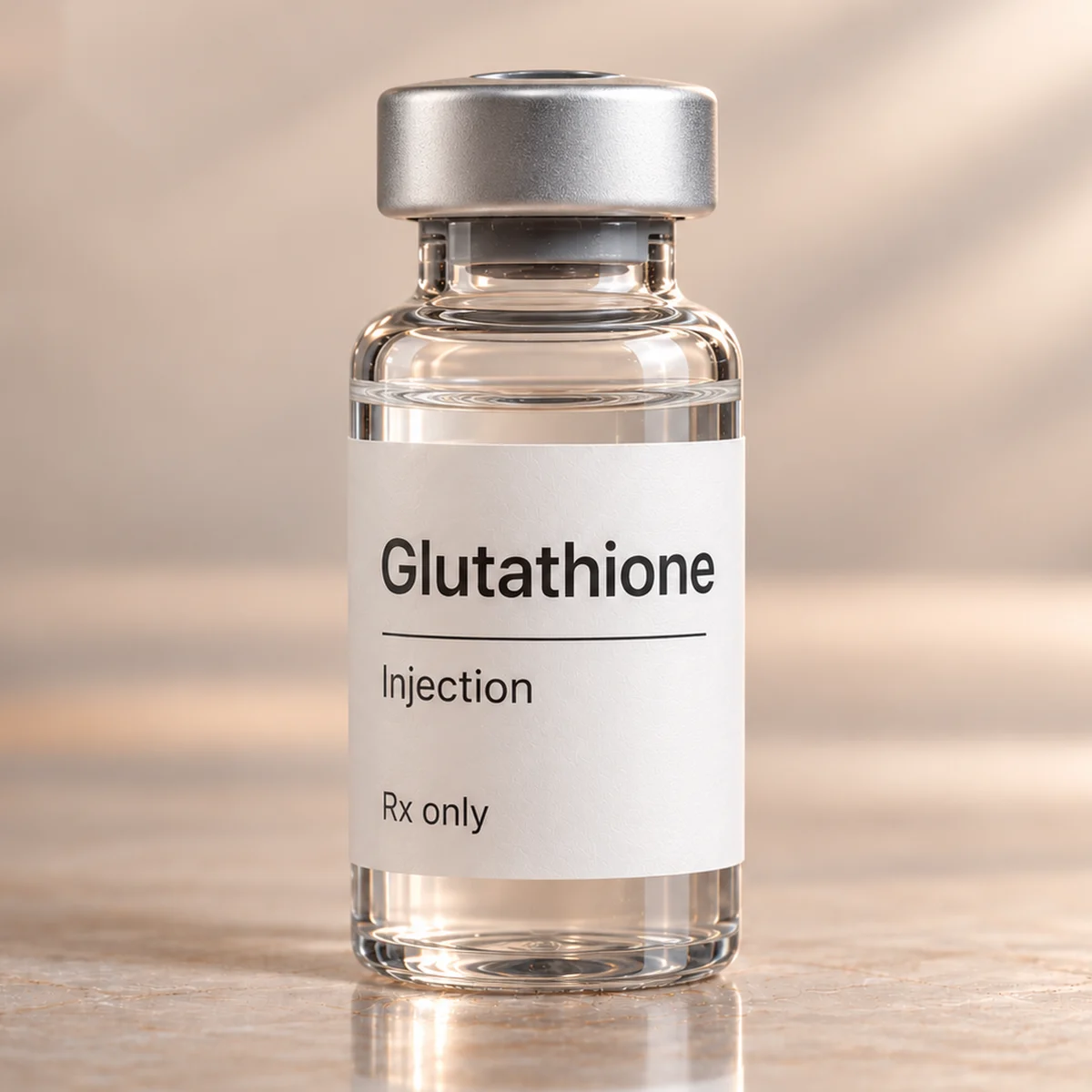
Glutathione nasal spray is usually a compounded medication intended to deliver glutathione, a naturally occurring antioxidant, through the nasal lining. People look for it for general wellness goals, but the strength of evidence depends on the specific goal and product. This page explains what glutathione nasal spray is, what is known and not known about benefits, common safety considerations, and how access typically works through Vitals Vault with clinician oversight.
- Glutathione nasal spray is a compounded way to deliver glutathione through the nose.
- Evidence for wellness benefits is limited, and products are not FDA-approved when compounded.
- Side effects can include nasal irritation; discuss asthma, allergies, and other medicines with a clinician.
- Cost varies by pharmacy, formulation, and whether labs or follow-ups are needed.
- A clinician should decide if it fits your goals and risks.
What glutathione nasal spray is
Glutathione, the ingredient
Glutathione is a small molecule made from three amino acids and is present in many cells. It helps protect cells from oxidative stress and supports normal detoxification pathways. Blood and tissue levels can change with illness, aging, diet, and certain exposures.
A nasal spray formulation
A nasal spray is designed to place a solution in the nose, where some substances may be absorbed through the nasal lining. For glutathione, nasal delivery is used to try to avoid digestion in the gut. The amount absorbed and the consistency between products can vary.
Usually compounded, not FDA-approved
Most glutathione nasal sprays are compounded, meaning a pharmacy prepares them for an individual prescription. Compounded medications are not FDA-approved, and they can differ in concentration, ingredients, and quality controls compared with FDA-approved products.
Not the same as supplements
Nasal sprays are often treated as prescription compounded medications when made by a compounding pharmacy, which is different from over-the-counter oral supplements. If you are comparing options, ask what form you are getting and what oversight applies.
How glutathione works in the body
Antioxidant defense
Glutathione helps neutralize reactive oxygen species, which are byproducts of normal metabolism and environmental exposures. It also helps regenerate other antioxidants in the body. This is why it is often discussed in longevity and wellness contexts.
Detoxification support
In the liver and other tissues, glutathione participates in reactions that make certain compounds easier to process and eliminate. This role is well established in biochemistry, but it does not automatically mean that adding glutathione improves health outcomes for everyone.
Immune and inflammatory signaling
Glutathione status is linked with immune cell function and inflammatory balance. Some research explores whether raising glutathione can affect symptoms in specific conditions, but results vary by population, dose, and route.
What is uncertain with nasal use
For nasal sprays, key unknowns are how much glutathione is absorbed, how long levels change, and whether that translates into meaningful clinical benefits for a specific goal. These uncertainties are part of why clinician guidance is important.
Who may consider glutathione nasal spray
People with a clear goal
You are more likely to have a useful clinician conversation if you can name what you are trying to address, such as fatigue, recovery, or exposure concerns. A clinician can help separate general wellness interest from situations where other evaluations matter more.
Those avoiding injections
Some people consider nasal delivery because they prefer to avoid injections. That preference is reasonable, but it does not guarantee similar absorption or effects compared with other routes.
People open to monitoring
Because benefits are not guaranteed, it can help to track symptoms, sleep, training load, and any side effects. In some cases, a clinician may also want baseline labs to look for common contributors to low energy or poor recovery.
Those who can use it consistently
With compounded therapies, consistency depends on following the prescribed plan and storing the product as directed by the dispensing pharmacy. If you travel often or have frequent nasal congestion, discuss practicality up front.
Who should not use it or should use extra caution
Severe nasal disease or recent surgery
If you have frequent nosebleeds, chronic severe sinus disease, nasal polyps, or recent nasal surgery, a nasal spray may worsen irritation or be harder to use safely. A clinician may recommend treating nasal issues first or choosing a different route.
Asthma or sulfite sensitivity concerns
Some people with asthma or sensitivities react to certain additives or preservatives. Because compounded products can vary, tell your clinician about asthma, allergies, and any past reactions to sprays, inhalers, or compounded products.
Pregnancy or breastfeeding
Safety data for compounded glutathione nasal spray in pregnancy or breastfeeding are limited. If you are pregnant, trying to conceive, or breastfeeding, discuss risks and alternatives with a qualified clinician.
Complex medical conditions or many medicines
If you have chronic kidney or liver disease, active cancer treatment, or take many prescription medicines, you should not add new therapies without clinician review. The goal is to avoid interactions, duplicative supplements, or masking symptoms that need evaluation.
Anyone with severe symptoms
If you have chest pain, trouble breathing, fainting, sudden severe headache, new neurologic symptoms, or signs of a severe allergic reaction, seek urgent care. Do not rely on a wellness therapy to address emergency symptoms.
What to expect if a clinician prescribes it
A goal-focused plan
A clinician should clarify what you are hoping to improve and what would count as meaningful change. For many wellness goals, the plan also includes basics like sleep, nutrition, training load, and stress management, since these can strongly affect outcomes.
Possible baseline labs
Depending on your symptoms and history, a clinician may ask for recent lab results before prescribing. This is often to check for common contributors to fatigue or poor recovery, such as anemia, thyroid issues, metabolic concerns, or nutrient gaps.
Product-specific instructions
Compounded nasal sprays do not come with an FDA-approved label. Your prescribing clinician and the dispensing pharmacy should provide instructions for use, storage, and what to do if you miss doses.
Follow-up and adjustments
If you start therapy, follow-up helps assess side effects, whether the plan is meeting your goals, and whether other evaluations are needed. If you do not notice benefit, a clinician may recommend stopping rather than escalating without a clear reason.
Side effects and safety considerations
Nasal irritation or burning
You may notice stinging, burning, dryness, or irritation in the nose, especially if you have allergies or frequent congestion. Using the product exactly as prescribed and avoiding other irritating nasal products at the same time can help. If irritation is persistent or severe, contact your clinician.
Runny nose or postnasal drip
Some people get a runny nose, throat irritation, or an unpleasant taste from nasal sprays. This can be related to the formulation or how your nasal lining reacts. If it is bothersome, your clinician may adjust the plan or recommend a different approach.
Headache or lightheadedness
Headache can happen with many nasal products and may also reflect dehydration, sleep issues, or congestion. If you develop severe headache, fainting, or neurologic symptoms, seek urgent evaluation. Report milder symptoms to your clinician so they can assess whether the spray is contributing.
Allergic reaction
A serious allergic reaction is uncommon but can be dangerous. Stop using the product and seek emergency care for hives, swelling of the face or throat, wheezing, or trouble breathing. Because compounded products can include different inactive ingredients, tell your clinician about any known allergies.
Bronchospasm in sensitive people
Some people with asthma or reactive airways may be more sensitive to inhaled or nasal products. If you notice wheezing, chest tightness, or shortness of breath after use, seek medical advice promptly. This is especially important if you have a history of asthma exacerbations.
Cost and access
What drives cost
Costs can vary based on the compounding pharmacy, the concentration and volume prescribed, and whether the formula includes additional ingredients. Clinician visits and follow-up may also affect total cost. Current prices for the Vitals Vault product, when available, are shown on this page.
Insurance coverage
Compounded medications are often not covered by insurance, and coverage policies vary widely. Even when an ingredient is available in other forms, a compounded nasal spray may be treated differently. If coverage matters to you, ask what documentation is available and what alternatives exist.
Quality and pharmacy standards
Access is not only about price. You also want clarity on where the medication is compounded, what quality standards are used, and how the product is shipped and stored. These factors can influence consistency and safety.
State-by-state availability
Telehealth prescribing and pharmacy shipping rules vary by state. Availability can depend on where you live and on clinician judgment about whether the treatment is appropriate for you.
How to get glutathione nasal spray
- 1
Complete an intake
Share your health history, goals, current medicines, and any allergies or asthma history.
- 2
Clinician review
A licensed clinician reviews your information and discusses whether a compounded glutathione nasal spray is a reasonable fit.
- 3
Labs if needed
If symptoms suggest other causes, a clinician may request recent lab results before prescribing.
- 4
Prescription and follow-up
If prescribed, the medication is compounded for your prescription and you receive clinician guidance and ongoing support.
Frequently Asked Questions
What is glutathione nasal spray used for?
Glutathione nasal spray is generally used for wellness goals where people hope to support antioxidant status. Because it is typically compounded, intended use and evidence depend on the specific prescription and your clinician's rationale.
Is glutathione nasal spray FDA-approved?
Most glutathione nasal sprays are compounded medications, which are not FDA-approved. A clinician can explain what that means for quality, consistency, and what alternatives may exist.
What are the side effects of glutathione nasal spray?
Common issues include nasal irritation, runny nose, throat irritation, or an unpleasant taste. Serious reactions like allergy symptoms or breathing problems need urgent medical attention and should be discussed with a clinician.
How much does glutathione nasal spray cost?
Cost varies based on the compounding pharmacy, the specific formulation, and whether clinician visits or labs are needed. When available, current prices for the Vitals Vault product are shown on this page rather than listed in the article.
Do I need labs before starting glutathione nasal spray?
A clinician may ask for recent lab results before prescribing, especially if you are using it for fatigue or recovery concerns. Labs do not diagnose on their own, but they can help a clinician decide what to address first.