
Sermorelin nasal spray: what it is and safety
Sermorelin nasal spray is a compounded peptide some use to stimulate growth hormone release. Learn the safety, who it may fit, and how access works.
Key facts
- Sermorelin Injection is $219/month (billed $219 every 30 days), charged only after a clinician approves it.
- Answer a few health questions online. A licensed clinician reviews them. If approved, it ships to your door.
- Adults 18 or older. A licensed clinician reviews your health history and decides whether treatment is appropriate for you. Availability depends on the state you live in.
- A $20 clinician review, refunded if you don’t qualify.


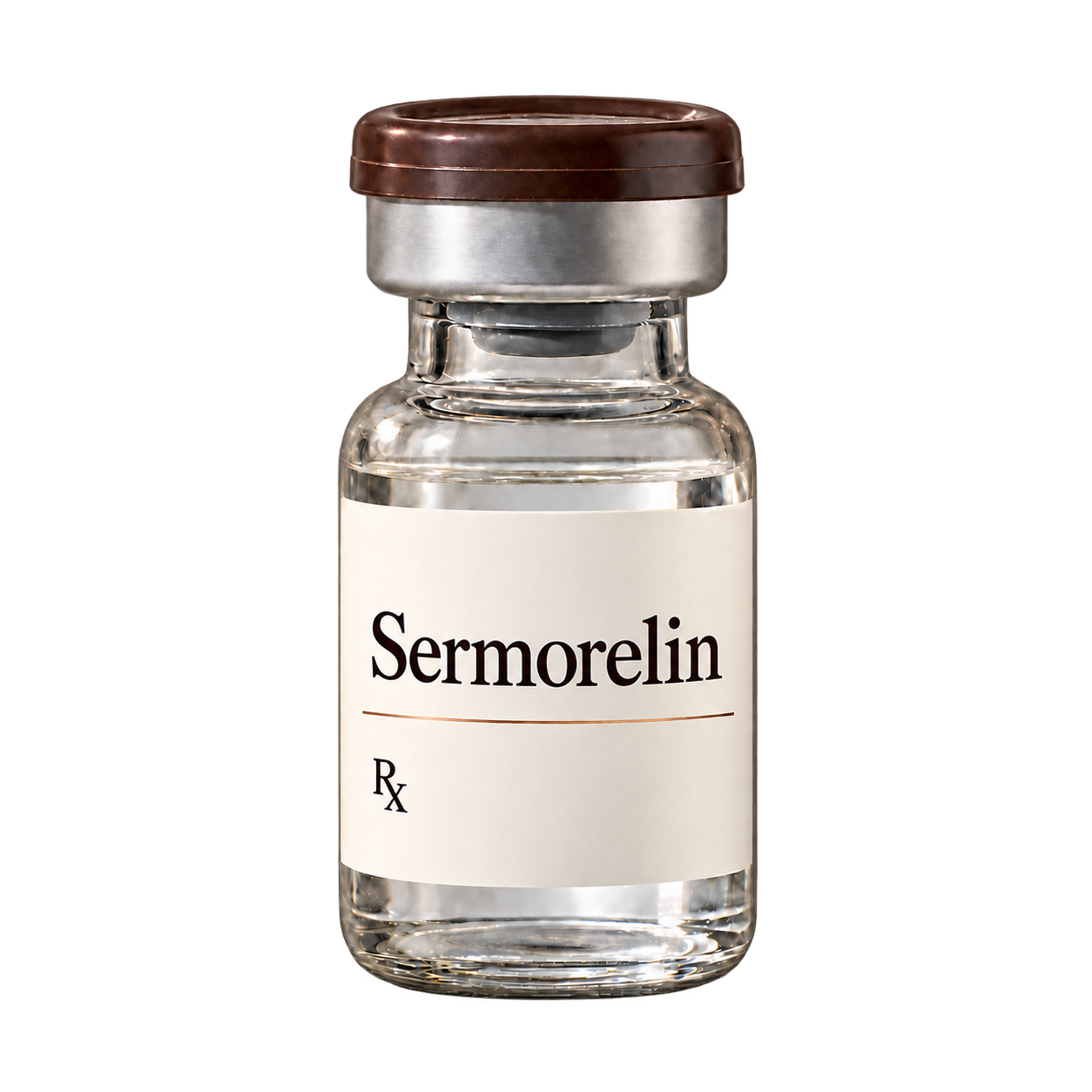
Sermorelin nasal spray is a prescription compounded medication that contains sermorelin, a peptide related to growth hormone releasing hormone. People usually look it up for wellness goals such as sleep, recovery, or healthy aging, but the evidence for these uses is limited and it is not FDA-approved. This page explains what sermorelin nasal spray is, who may or may not be a good candidate, common safety considerations, and how access typically works through Vitals Vault with clinician oversight.
- Sermorelin nasal spray is a compounded peptide used to stimulate growth hormone release.
- It is not FDA-approved, and evidence for wellness goals is limited.
- A clinician should review your history and consider labs before prescribing.
- Side effects can include nasal irritation and headache; serious reactions are possible.
What sermorelin nasal spray is
A compounded prescription peptide
Sermorelin nasal spray refers to a compounded formulation of sermorelin prepared by a licensed pharmacy for an individual prescription. Compounded medications are not FDA-approved, and their quality and instructions depend on the prescribing clinician and dispensing pharmacy.
Related to GHRH
Sermorelin is a peptide that is related to growth hormone releasing hormone (GHRH), a natural hormone made in the brain. GHRH signals the pituitary gland to release growth hormone, which then influences insulin-like growth factor 1 (IGF-1).
Not a brand or FDA-labeled product
There is no FDA-approved sermorelin nasal spray product label to rely on for standardized dosing, administration steps, or side effect rates. That is why clinician evaluation and careful follow-up matter, especially if you have other medical conditions or take other medications.
How sermorelin may work
Signals the pituitary
Sermorelin is designed to act like GHRH, which stimulates the pituitary gland to release growth hormone in pulses. This is different from taking growth hormone itself, and the response can vary based on age, baseline pituitary function, sleep, and other factors.
Downstream effects involve IGF-1
Growth hormone stimulates the liver and other tissues to produce IGF-1, a hormone that mediates many growth hormone effects. Clinicians often use IGF-1 as one piece of information when evaluating the growth hormone axis, because growth hormone levels fluctuate throughout the day.
Route matters for absorption
With a nasal spray, the medication is delivered through the nasal mucosa. Absorption can be affected by congestion, irritation, and technique, so a clinician or pharmacist should counsel you on the product you receive.
Who sermorelin nasal spray may be for
People seeking clinician-guided options
If you are exploring peptide therapies, sermorelin nasal spray may come up as an option to discuss with a licensed clinician. The key is aligning expectations with the limited evidence base and your personal risk factors.
Those with a clear goal and plan
A reasonable conversation includes what you are trying to improve, how you will measure change, and what would make you stop. Because wellness outcomes are subjective, clinicians may recommend baseline and follow-up assessments to avoid guessing.
People who can commit to monitoring
Even when a medication is used for wellness, safety monitoring still matters. Depending on your history, a clinician may want recent lab results before prescribing and may recommend follow-up to reassess benefit and risk.
Not a shortcut for diagnosis
Symptoms like fatigue, poor sleep, or low exercise tolerance can have many causes, including sleep disorders, thyroid disease, anemia, depression, medication effects, or overtraining. A clinician can help rule out common causes before considering a peptide.
Who should not take sermorelin nasal spray
Allergy to ingredients
Do not use sermorelin nasal spray if you have had an allergic reaction to sermorelin or to any ingredient in the specific compounded product you receive. Because compounded formulas vary, confirm the ingredient list with the dispensing pharmacy.
Active cancer or unexplained growths
Growth hormone signaling is involved in cell growth, so clinicians are cautious about therapies that may increase growth hormone or IGF-1 in people with active malignancy or unexplained masses. If you have a cancer history, bring it up early in the evaluation.
Pregnancy or breastfeeding
Sermorelin nasal spray is not FDA-approved, and safety data in pregnancy or breastfeeding are limited. If you are pregnant, trying to conceive, or breastfeeding, a clinician will typically recommend avoiding non-essential compounded therapies.
Uncontrolled endocrine conditions
Thyroid disease, diabetes, and adrenal disorders can affect energy, body composition, and lab interpretation. A clinician may recommend stabilizing these conditions first, because they can change how you respond and what monitoring is appropriate.
Severe nasal disease
Chronic sinus disease, frequent nosebleeds, or significant nasal inflammation can make nasal delivery less tolerable and less predictable. If nasal symptoms are prominent, discuss other routes or other options with a clinician.
What to expect if you are prescribed it
A clinician review first
Because sermorelin nasal spray is compounded and not FDA-approved, appropriate screening matters. A clinician typically reviews your medical history, current medications, and goals, and may ask about sleep, training, nutrition, and alcohol use.
Possible labs before starting
A clinician may ask for recent lab results before prescribing. Labs can help identify common, treatable causes of symptoms and provide a baseline for monitoring, especially when you are considering a therapy that may influence hormones.
Individualized instructions
Compounded products do not come with an FDA Instructions for Use. Your prescribing clinician and the dispensing pharmacy provide the product-specific directions, storage guidance, and what to do if you miss a dose.
Follow-up and reassessment
If you start treatment, follow-up is important to review tolerability, side effects, and whether the plan is meeting your goals. If you are not seeing meaningful benefit or you develop concerning symptoms, your clinician may recommend stopping or switching approaches.
Side effects and safety considerations
Nasal irritation or congestion
Nasal sprays can cause local irritation, burning, runny nose, or congestion, especially if you already have allergies or sinus issues. If symptoms are persistent or worsening, your clinician may reassess whether the nasal route is appropriate.
Headache or dizziness
Headache and dizziness can occur with many peptide and hormone-related therapies, and they can also signal dehydration, sleep deprivation, or other conditions. If headaches are severe, new, or associated with vision changes, seek prompt medical evaluation.
Nausea or stomach upset
Some people report nausea or nonspecific stomach discomfort. Because these symptoms are common and have many causes, it helps to track timing relative to dosing and other changes such as diet, supplements, or new medications.
Allergic reaction
Allergic reactions can range from rash and itching to swelling of the face or throat and trouble breathing. Stop using the product and seek urgent care for severe symptoms, and report the reaction to your clinician so the ingredient list can be reviewed.
Hormone-related complications
Because sermorelin is intended to influence growth hormone signaling, clinicians watch for unintended hormone effects and for conditions that could be worsened by changes in IGF-1. If you have diabetes, thyroid disease, sleep apnea, or a cancer history, discuss risk carefully before starting.
Cost and access
What drives cost
The cost of sermorelin nasal spray can vary based on the compounding pharmacy, the prescribed strength and supply, and whether your plan includes follow-up support. Current prices, when available, are shown on this page in the catalog price block.
Insurance coverage is variable
Because compounded medications are not FDA-approved and are often used for wellness goals, insurance coverage is often limited. If you use insurance for related visits or labs, coverage depends on your plan and the medical reason documented by your clinician.
Labs can add to total cost
If your clinician requests baseline or follow-up labs, that can change your overall out-of-pocket cost. Labs are not meant to diagnose on their own, but they can help a clinician evaluate safety and rule out common causes of symptoms.
State rules affect availability
Telehealth prescribing and pharmacy dispensing rules vary by state. Availability depends on the state you live in, and a licensed clinician will confirm whether care can be provided where you are.
How to get sermorelin nasal spray
- 1
Complete an intake
Share your health history, current medications, and what you are hoping to address.
- 2
Clinician evaluation
A licensed clinician reviews your information and discusses whether sermorelin is appropriate.
- 3
Labs if requested
If needed, get recent labs so your clinician can review baseline safety markers.
- 4
Prescription and follow-up
If prescribed, the dispensing pharmacy provides product-specific instructions, and you check in as recommended.
Frequently Asked Questions
What is sermorelin nasal spray used for?
Sermorelin nasal spray is a compounded prescription product used by some clinicians to stimulate growth hormone release. It is not FDA-approved, and use for wellness goals has limited evidence, so it should be considered only with clinician guidance.
Is sermorelin nasal spray FDA-approved?
No. Sermorelin nasal spray is typically compounded by a licensed pharmacy for an individual prescription, and compounded medications are not FDA-approved. Your clinician and pharmacy provide the product-specific instructions and monitoring plan.
What are common side effects of sermorelin nasal spray?
Commonly discussed effects include nasal irritation or congestion and headache, although exact rates are not well established for compounded products. Tell your clinician about bothersome or persistent symptoms, and seek urgent care for signs of a severe allergic reaction.
How much does sermorelin nasal spray cost?
Cost depends on the compounding pharmacy, the prescribed formulation and supply, and whether follow-up support or labs are needed. When available, current prices are shown on this page in the catalog price block rather than listed in the article text.
Can I ask Vitals Vault if sermorelin fits me?
Yes. Through Vitals Vault, a licensed clinician reviews your health history and goals and decides whether treatment is appropriate for you, and plans include ongoing support. Availability depends on your state, and a clinician may ask for recent labs before prescribing.