
NAD patches: what they are and how to get them
NAD patches are transdermal products marketed to raise NAD+, but human evidence is limited. Learn safety basics and what to expect.
Key facts
- NAD+ Injection is $250/month (billed $250 every 4 weeks), charged only after a clinician approves it.
- Answer a few health questions online. A licensed clinician reviews them. If approved, it ships to your door.
- Adults 18 or older. A licensed clinician reviews your health history and decides whether treatment is appropriate for you. Availability depends on the state you live in.


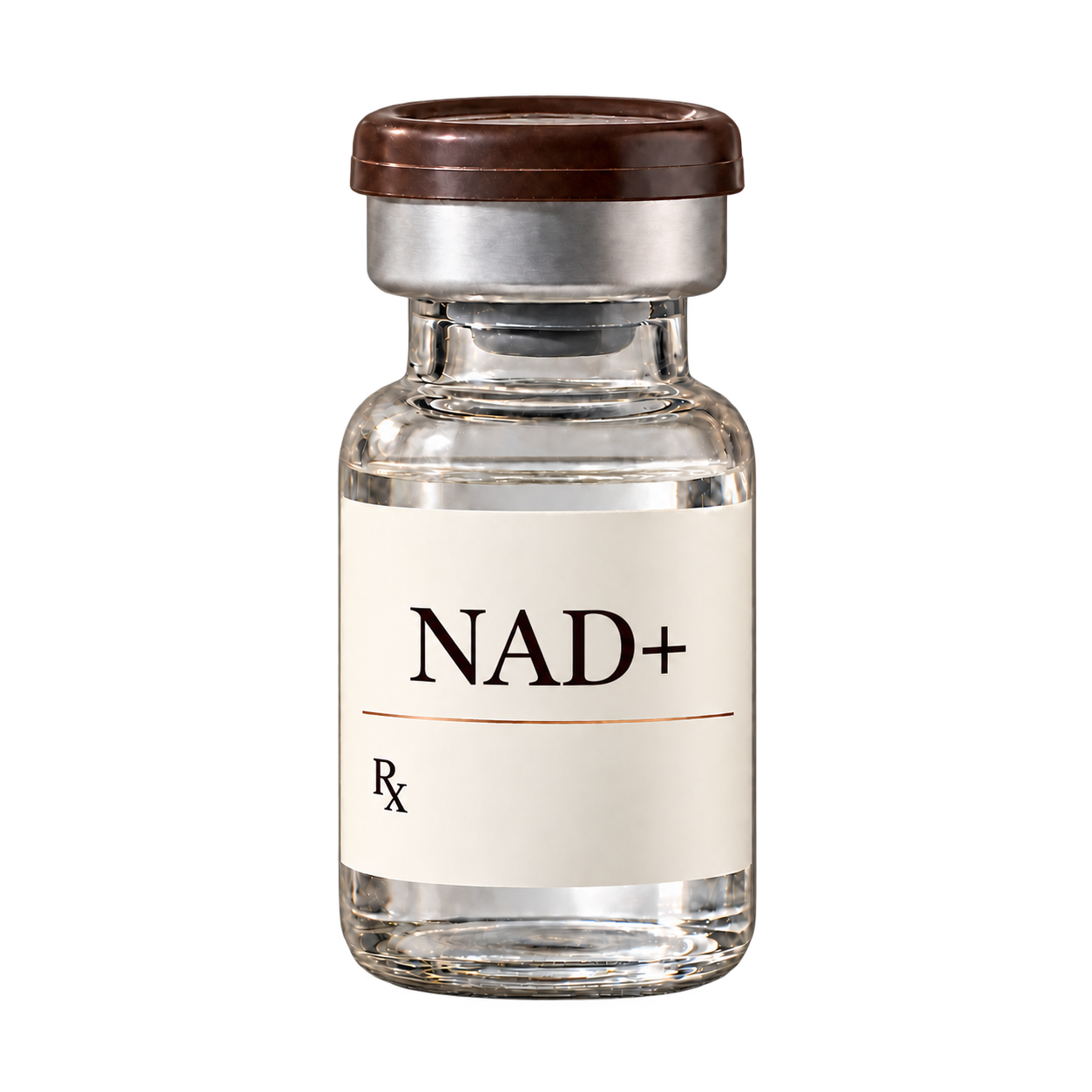
NAD patches are transdermal patches marketed to support NAD+ levels for wellness and longevity goals. The science around boosting NAD+ in humans is active, but evidence for NAD+ delivered by patch is limited, and product quality can vary. This page explains what NAD patches are, what is known and unknown about how they work, safety basics, and how access typically works through Vitals Vault with clinician review.
- NAD patches are skin-applied products intended to deliver NAD+ or related ingredients through the skin.
- Human evidence for NAD+ delivered by patch is limited, so benefits are uncertain.
- Most risks are local skin reactions, but interactions and underlying conditions still matter.
- A licensed clinician can review your history and decide if NAD+ fits your goals.
What NAD patches are
NAD+ in the body
NAD+ (nicotinamide adenine dinucleotide) is a molecule your cells use for energy metabolism and other processes. NAD+ levels and NAD+-related pathways are studied in aging and metabolic health, but that does not mean raising NAD+ will improve outcomes for everyone.
What a patch is
A patch is a transdermal dosage form designed to deliver an ingredient across the skin. In practice, many products sold as “NAD patches” vary in what they contain and how reliably they deliver an active ingredient.
NAD+ vs NAD precursors
Some products aim to deliver NAD+ itself, while others use precursors such as nicotinamide riboside (NR) or nicotinamide mononucleotide (NMN) that the body can convert into NAD+. Human studies exist for some oral precursors, but that evidence does not automatically apply to patch delivery.
Compounded NAD+ patches
Compounded NAD+ is prepared by a licensed pharmacy for an individual prescription and is not FDA-approved. Compounding can be appropriate for some patients, but it also means product characteristics depend on the specific pharmacy and formulation.
How NAD patches may work
Transdermal delivery goal
A patch is intended to move an ingredient through the skin and into systemic circulation. Whether NAD+ itself can reliably cross the skin barrier is not well established in published human research, so expected effects are uncertain.
Why NAD+ matters
NAD+ participates in redox reactions that help cells make energy, and it is involved in enzymes such as sirtuins and PARPs. These pathways are studied in aging, DNA repair, and metabolic regulation, but translating pathway effects into clear clinical benefits is still an open question.
What research supports
Human trials have evaluated oral NAD+ precursors such as nicotinamide riboside and measured changes in NAD metabolites in blood. Those studies can inform discussions about NAD support generally, but they do not prove that a patch delivers equivalent exposure or benefits.
Why results vary
Skin thickness, sweating, adhesives, dose form, and how long a patch stays on can all affect absorption. With compounded products, formulation choices and pharmacy processes can also change how much active ingredient is delivered.
- What NAD+ is
- A coenzyme central to cellular energy metabolism and multiple enzyme pathways.
- What is best studied in humans
- Oral NAD+ precursors (for example nicotinamide riboside) and blood NAD metabolite changes, not patch delivery.
Who NAD patches may be for
People exploring NAD support
If you are interested in NAD support for general wellness, a clinician can help you weigh the limited evidence, your goals, and alternatives. It is reasonable to ask what outcomes you will track and what would make you stop or reassess.
Those avoiding pills
Some people prefer a non-oral route because of swallowing issues or gastrointestinal sensitivity. A patch may be considered, but it is important to recognize that transdermal absorption is not guaranteed for every ingredient.
People who want clinician oversight
Because NAD-related products are widely marketed with variable quality, clinician review can help you avoid unsafe combinations and set expectations. This is especially relevant if you take multiple medications or have chronic conditions.
People using labs to guide decisions
General health labs can help identify common issues that affect energy and well-being, such as anemia, thyroid disease, diabetes, kidney disease, or nutrient deficiencies. Labs do not diagnose on their own, but they can support a more targeted plan with a clinician.
Who should not use NAD patches without medical advice
Pregnant or breastfeeding
There is not enough evidence to establish safety of NAD+ or NAD-precursor patch use during pregnancy or breastfeeding. If this applies to you, discuss safer, evidence-based options with an obstetrics clinician.
Significant skin conditions
If you have eczema, psoriasis, open wounds, or frequent rashes where a patch would be placed, you may be more likely to develop irritation or allergic contact dermatitis. A clinician can help you decide whether a patch is appropriate.
History of serious allergic reactions
If you have had anaphylaxis or severe reactions to adhesives, topical products, or unknown supplements, avoid starting a new patch without clinician guidance. Bring ingredient lists when possible.
Complex medical conditions or meds
If you have active cancer treatment, severe liver or kidney disease, or take multiple prescription medications, get individualized advice first. Even when an ingredient seems “vitamin-like,” interactions and monitoring needs can still matter.
What to expect from NAD patches
Benefits are not guaranteed
You may see marketing claims about energy, focus, or “anti-aging,” but patch-specific clinical evidence is limited. If you try NAD support, it helps to define what you are hoping to change and how you will judge whether it is helping.
Monitoring is individualized
A clinician may focus on basics first, such as sleep, nutrition, exercise, and medication review, because these often have stronger evidence for improving fatigue and well-being. Labs may be used to check for common, treatable contributors to low energy.
Skin tolerance matters
Many people’s main issue with patches is local irritation from the adhesive or the active ingredient. If you develop persistent redness, itching, or rash, you should stop using the patch and ask a clinician what to do next.
Product quality varies
Over-the-counter wellness patches can vary in ingredients and manufacturing oversight. With compounded NAD+ patches, the prescribing clinician and dispensing pharmacy can clarify what is in the formulation and how it is intended to be used.
Side effects and warnings
Skin irritation
Redness, itching, or a mild rash can happen with transdermal products, often due to the adhesive or the ingredient itself. Rotating application sites and avoiding broken skin may help, but persistent irritation should be reviewed by a clinician.
Contact dermatitis
Some people develop allergic contact dermatitis, which can look like a worsening, itchy rash that persists after removing the patch. If this happens, stop the product and ask a clinician about evaluation and safer alternatives.
Headache or nausea
Systemic symptoms such as headache or nausea are reported with some NAD-related supplements, but patch-specific data are limited. If symptoms are severe, recurrent, or accompanied by other concerning signs, seek medical advice.
Severe allergic reaction
Rarely, a serious allergic reaction can occur, especially if you have a history of severe allergies. Seek emergency care for trouble breathing, swelling of the face or throat, fainting, or widespread hives.
Severe skin reaction
Blistering, skin peeling, or intense pain at the patch site is not expected and should be treated as urgent. Remove the patch and seek prompt medical care, especially if the reaction spreads or you develop fever.
Cost and access
What drives cost
Cost can vary based on the formulation, strength, quantity, and whether the product is compounded for an individual prescription. Pharmacy sourcing, compounding processes, and shipping can also affect the final price.
Insurance coverage
Most wellness-focused compounded products are not covered by insurance, and coverage for NAD-related therapies is uncommon. If you have coverage questions, a clinician or pharmacy can help you understand what documentation may be needed.
Where you will see pricing
If current pricing is available for this treatment, it is shown on this page in the price block. The exact total can depend on the plan and what a clinician determines is appropriate.
Why clinician review matters
Because benefits are uncertain and products vary, clinician review helps you avoid unsafe combinations and identify more evidence-based contributors to fatigue or low energy. A clinician may ask for recent lab results before prescribing.
How to get NAD patches
- 1
Complete an intake
Share your health history, current medications, and what you are hoping to address.
- 2
Clinician review
A licensed clinician reviews your information and discusses whether NAD+ is a reasonable option for you.
- 3
Labs if needed
A clinician may ask for recent lab results before prescribing, especially if fatigue is a main concern.
- 4
Prescription and follow-up
If appropriate, a prescription is issued and you receive guidance on what to monitor and when to follow up.
Frequently Asked Questions
Do nad patches work?
Evidence specific to NAD patches is limited, so it is not possible to say they reliably work for a particular outcome. Some human studies support that oral NAD precursors can raise NAD-related metabolites, but that does not confirm patch absorption or benefits. Discuss realistic goals with a clinician.
Are nad patches FDA-approved?
Compounded NAD+ patches are not FDA-approved. Compounded medications are prepared by a licensed pharmacy for an individual prescription. If FDA approval is important to you, ask a clinician about alternatives with stronger regulatory oversight.
What are the side effects of nad patches?
The most likely side effects are local skin irritation or rash from the adhesive or ingredients. Serious allergic reactions are uncommon but require urgent care if you have trouble breathing, swelling, or widespread hives. Patch-specific safety data are limited, so report new symptoms to a clinician.
How much do nad patches cost?
Cost depends on the formulation, strength, quantity, and whether it is compounded for an individual prescription, and insurance coverage is often limited. If current pricing is available, it is shown on this page in the price block. A clinician can also explain what drives your total cost.
Should I get labs before trying NAD support?
Labs can help you and a clinician check for common contributors to fatigue and low energy, such as anemia, thyroid issues, or metabolic problems. Labs do not diagnose on their own, but they can guide a more targeted plan. A clinician may ask for recent lab results before prescribing.