
Glutathione patches: what they are and safety
Glutathione patches are transdermal supplements with limited evidence for absorption or benefits. Know the safety points and who should avoid them.
Key facts
- Glutathione Injection is $129/month (billed $129 every 4 weeks), charged only after a clinician approves it.
- Answer a few health questions online. A licensed clinician reviews them. If approved, it ships to your door.
- Adults 18 or older. A licensed clinician reviews your health history and decides whether treatment is appropriate for you. Availability depends on the state you live in.


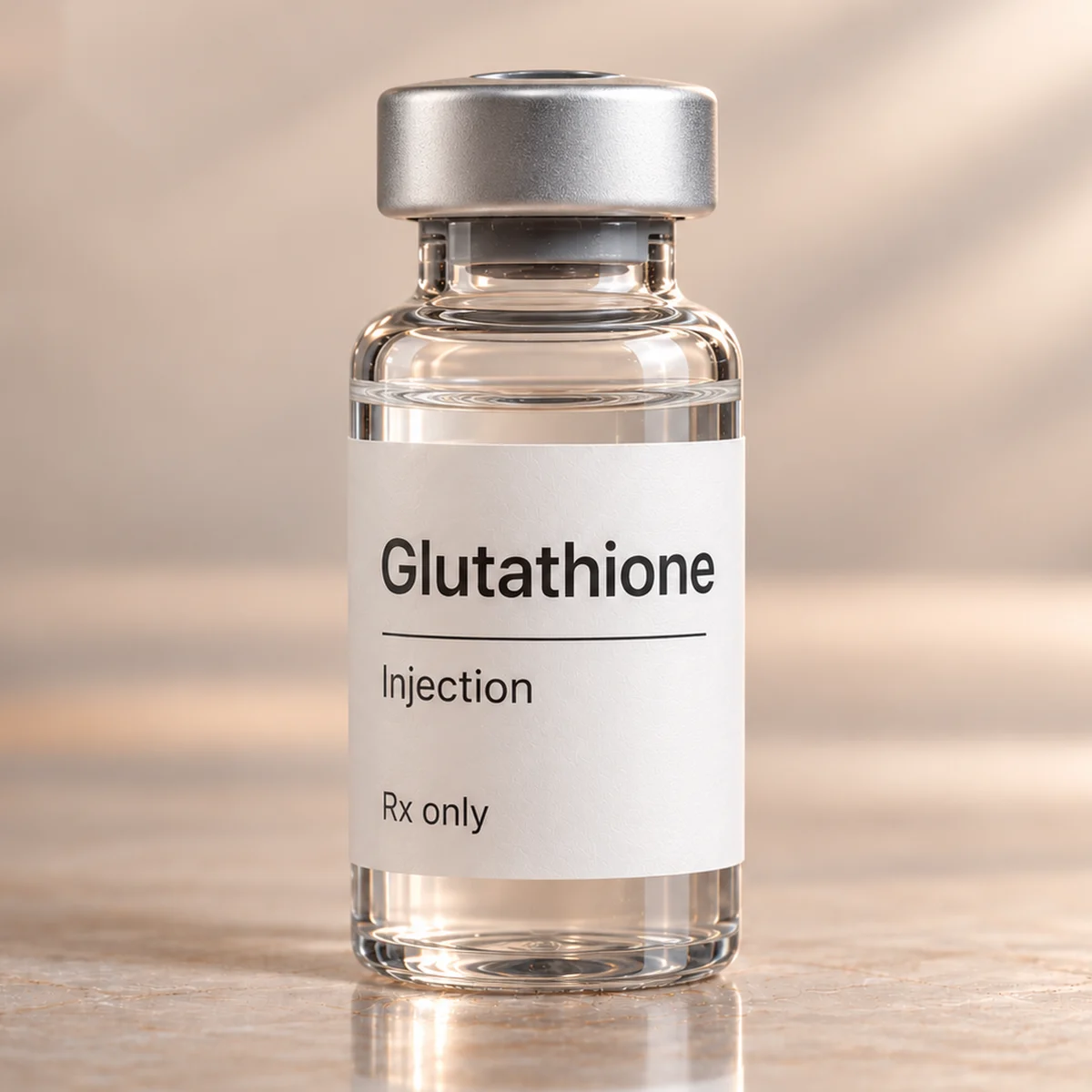
Glutathione patches are transdermal patches sold to raise glutathione, a key antioxidant your body makes. People often look for them for wellness, skin, or “detox” goals, but high quality evidence that patches reliably raise glutathione in the body is limited. This guide explains what glutathione patches are, what research can and cannot show, safety considerations, and how access typically works.
- Glutathione patches are skin patches marketed to deliver glutathione, but evidence for reliable absorption and benefits is limited.
- Glutathione is a natural antioxidant in your cells, and levels can change with illness, nutrition, and oxidative stress.
- Patch products can cause local skin irritation and may vary widely in dose and quality.
- If you have asthma, allergies, are pregnant, or take multiple medicines, talk with a clinician before using glutathione.
What glutathione patches are
Glutathione, explained
Glutathione is a small molecule made from three amino acids. It helps protect cells from oxidative stress and supports normal immune and metabolic functions. Your body makes it naturally, and levels can shift with age, illness, and nutrition.
What a patch claims to do
A glutathione patch is marketed to deliver glutathione through the skin into the bloodstream. This is different from oral supplements, which must survive digestion and be absorbed through the gut. For many ingredients, transdermal absorption is hard to predict.
Supplement vs prescription
Many glutathione patches are sold as supplements and are not FDA approved drugs. Some glutathione products are compounded by pharmacies for individual prescriptions, which also are not FDA approved. The evidence and quality standards can differ across products.
What it is not
Glutathione patches are not an FDA approved treatment for disease. Claims about “detox,” immune boosting, or skin lightening are common online, but they are not the same as proven medical indications. If you are treating a medical condition, involve a clinician.
How glutathione patches might work
Antioxidant recycling
Inside cells, glutathione helps neutralize reactive oxygen species and can help regenerate other antioxidants. It also participates in enzyme systems that protect cells from oxidative damage. These roles are well described in basic and clinical science.
The absorption challenge
To work as intended, glutathione would need to cross the skin barrier in meaningful amounts. The outer skin layer is designed to block many molecules, especially larger or water soluble ones. For patches, the key unknown is whether enough glutathione reaches circulation consistently.
What research supports
Research on glutathione includes oral and other delivery routes, but patch specific evidence is limited. Some studies suggest oral glutathione can raise certain glutathione measures, but that does not automatically translate to transdermal patches. The best interpretation is that benefits from patches are uncertain.
What you can measure
People sometimes track general wellness labs or oxidative stress related markers, but no single lab test can confirm a patch is “working” for you. If you pursue glutathione, a clinician can help decide what monitoring makes sense for your overall health goals.
Who glutathione patches may be for
Wellness focused adults
Some adults consider glutathione as part of a broader wellness plan that includes sleep, nutrition, exercise, and managing chronic stress. If you are generally healthy, the main question is whether the product is safe and whether expectations are realistic. A clinician can help you weigh uncertain benefits against cost and risk.
People avoiding pills
A patch may appeal if you have trouble swallowing pills or prefer not to take another oral supplement. Even so, skin delivery is not automatically better, and absorption can vary by product and by person. Skin sensitivity is also a common limiting factor.
Those wanting clinician oversight
If you have chronic conditions, take multiple medications, or have a history of allergic reactions, it is reasonable to seek clinician review before using glutathione. This is especially important because supplement labels and compounded formulations can vary. Clinician guidance can help you avoid interactions and unnecessary risk.
People with specific goals
Some people look for glutathione for skin appearance, energy, or recovery. These goals are common, but they are not the same as proven medical indications. A clinician can help you identify other evidence based options if glutathione is unlikely to address the root issue.
Who should not use glutathione patches without clinician guidance
Pregnant or breastfeeding
Safety data for glutathione supplementation in pregnancy and breastfeeding is limited. Because patches can vary in dose and added ingredients, it is safest to avoid self starting. Discuss risks and alternatives with an obstetric clinician.
Asthma or severe allergies
Some reports and clinical discussions raise concern that glutathione may trigger bronchospasm in susceptible people. If you have asthma, wheezing, or a history of serious allergic reactions, get clinician input before using glutathione in any form. Seek urgent care for breathing trouble.
Active rash or skin conditions
If you have eczema, dermatitis, or frequent skin reactions, patches can worsen irritation. Adhesives and excipients can cause contact dermatitis even when the active ingredient is tolerated. Consider alternatives that do not require prolonged skin contact.
Complex medical conditions
If you are being treated for cancer, liver disease, kidney disease, or autoimmune conditions, do not add glutathione on your own. Antioxidant supplements can have context dependent effects, and you may need coordinated care. Your treating clinician is the best starting point.
What to expect if you try glutathione patches
Uncertain benefits
Because patch absorption and dosing are not standardized, you may not notice any change. If you do notice changes, it can be hard to know whether they are from glutathione, other lifestyle changes, or placebo effect. Set expectations around uncertainty.
Skin reactions are common
The most likely issue is local irritation from the adhesive or ingredients. You might see redness, itching, or a rash where the patch sits. If irritation persists, stop using the product and talk with a clinician.
Product variability
Different brands and compounded formulations can differ in glutathione form, dose, and added ingredients. That variability makes it hard to compare experiences across people. It also makes it important to use a reputable source and clinician oversight when appropriate.
Monitoring is individualized
There is no universal lab test that proves a patch is effective for wellness goals. If you are using glutathione as part of a broader plan, a clinician may focus on general health markers and symptoms rather than a single glutathione number. Monitoring should match your health history and goals.
Side effects and safety concerns
Skin irritation
Redness, itching, or a localized rash can happen where the patch contacts skin. This may be due to the adhesive, preservatives, or the active ingredient. If you develop blistering, severe pain, or a spreading rash, stop use and seek medical advice.
Headache or nausea
Some people report nonspecific symptoms like headache, nausea, or stomach upset with glutathione products. These symptoms are not specific to patches and may relate to other ingredients or individual sensitivity. If symptoms are persistent or severe, a clinician can help assess other causes.
Allergic reaction
Allergic reactions can occur with any supplement or topical product. Watch for hives, swelling, or worsening itching beyond the patch area. Seek urgent care for swelling of the lips or tongue, trouble breathing, or feeling faint.
Breathing symptoms in asthma
People with asthma should be cautious because bronchospasm has been a concern discussed with glutathione exposure in susceptible individuals. If you have wheezing or chest tightness after using a glutathione product, stop and seek medical care. Do not try to push through breathing symptoms.
Quality and labeling risk
Supplements and compounded products can vary in dose, purity, and added ingredients. This increases the chance of unexpected side effects or interactions. Use clinician guidance if you have medical conditions, take prescription medications, or have had prior supplement reactions.
Cost and access
What drives cost
Cost depends on the glutathione amount per patch, how many patches are included, and whether the product is a supplement or a compounded prescription. Added ingredients and quality testing can also affect price. Current prices for Vitals Vault options are shown on this page in the price block.
Insurance coverage
Glutathione patches sold as supplements are typically not covered by insurance. Compounded glutathione is prepared for an individual prescription and is also often not covered. If you have coverage questions, a clinician or pharmacy can help you understand your options.
Safety and sourcing
Because product quality can vary, access is not only about price. It also includes whether you can get clinician oversight, clear labeling, and a reliable dispensing process. If you have chronic conditions or take multiple medications, clinician review is part of safe access.
How to get glutathione safely
- 1
Clarify your goal
Write down what you want to improve and what you have already tried.
- 2
Review your health history
A licensed clinician can check for conditions or medicines that change risk.
- 3
Decide on a product type
Discuss patch versus other forms and whether a compounded prescription is appropriate.
- 4
Plan follow up
Set a check in point to reassess side effects, expectations, and whether to continue.
Frequently Asked Questions
Do glutathione patches work?
Evidence specific to glutathione patches is limited, and transdermal absorption can be unpredictable. Glutathione has important roles in the body, but that does not prove a patch delivers a reliable dose. A clinician can help you decide whether the uncertainty is acceptable for your goals.
Are glutathione patches safe?
Many people tolerate topical products, but patches can cause skin irritation and, rarely, allergic reactions. If you have asthma, severe allergies, are pregnant, or have complex medical conditions, talk with a clinician before using glutathione. Seek urgent care for breathing trouble or facial swelling.
What are the side effects of glutathione patches?
The most common issues are local skin reactions like redness, itching, or rash from the adhesive or ingredients. Some people report nonspecific symptoms like headache or nausea. Stop use and get medical advice for severe or spreading reactions.
How much do glutathione patches cost?
Cost varies by product quality, glutathione amount, and whether it is a supplement or a compounded prescription. Insurance coverage is often limited for supplements and compounded medications. If you are considering Vitals Vault options, current prices are shown on this page in the price block.
Can I ask Vitals Vault if glutathione fits me?
Yes. Vitals Vault can connect you with a licensed clinician who reviews your health history and decides whether treatment is appropriate for you. If you are unsure, starting with baseline labs can help guide a safer conversation.