
NAD patch: what it is and how to get it
A NAD patch is a skin patch marketed to raise NAD+ levels, but evidence is limited. Learn safety, what to expect, and access.
Key facts
- NAD+ Injection is $250/month (billed $250 every 4 weeks), charged only after a clinician approves it.
- Answer a few health questions online. A licensed clinician reviews them. If approved, it ships to your door.
- Adults 18 or older. A licensed clinician reviews your health history and decides whether treatment is appropriate for you. Availability depends on the state you live in.
- A $20 clinician review, refunded if you don’t qualify.


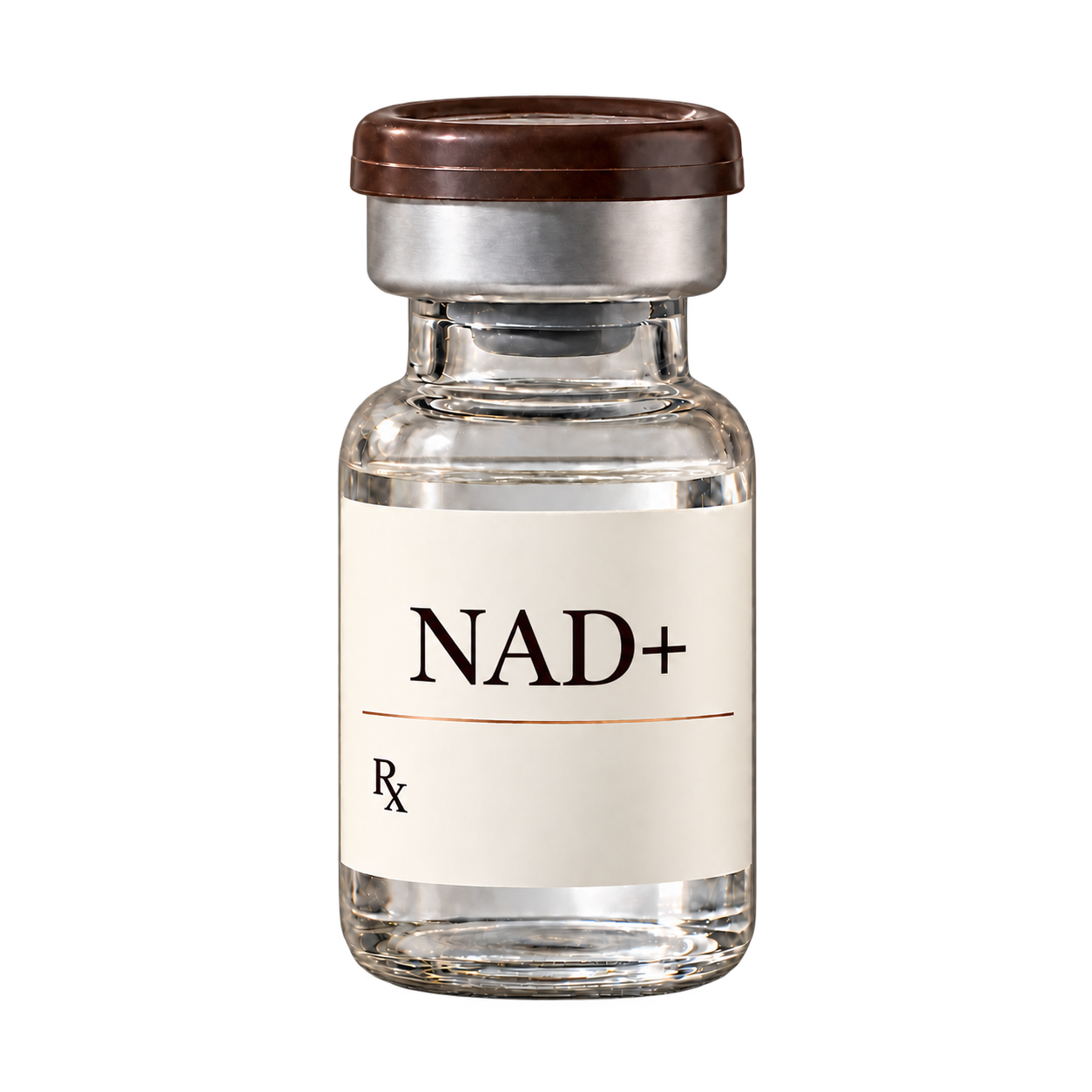
A NAD patch is a transdermal patch marketed for wellness goals like energy and healthy aging. NAD+ (nicotinamide adenine dinucleotide) is a molecule your cells use for energy and repair, but it is not clear how reliably a patch changes NAD+ levels in people. This page explains what a NAD patch is, what is known and unknown about benefits, key safety considerations, and how access typically works.
- A NAD patch is a skin patch intended to deliver NAD+ or NAD-related ingredients, but human evidence is limited.
- NAD+ supports cellular energy pathways, yet it is unclear how much a patch raises NAD+ in the body.
- Expect gradual, variable effects; discuss goals, meds, and conditions with a clinician first.
- Skin irritation is a common concern with patches; stop and seek care for severe reactions.
What a NAD patch is
A transdermal wellness product
A NAD patch is designed to be worn on the skin so ingredients can pass through the skin over time. Products marketed as NAD patches may contain NAD+ itself or related compounds intended to support NAD+ pathways.
Not an FDA approved drug
NAD+ patches sold for wellness are not FDA approved prescription drugs, and there is no FDA prescribing label that proves safety or effectiveness for specific outcomes. Claims can vary widely by manufacturer and formulation.
Often confused with NAD precursors
Some people use oral NAD precursors such as nicotinamide riboside (NR) or nicotinamide mononucleotide (NMN). Those are different products with different evidence and absorption, and results from one do not automatically apply to another.
Compounded options exist
Some NAD+ products are compounded, meaning they are prepared by a licensed pharmacy for an individual prescription. Compounded medications are not FDA approved, and quality can depend on the pharmacy and the specific prescription.
How it works (and what is uncertain)
What NAD+ does in the body
NAD+ is a coenzyme involved in energy production (redox reactions) and is used by enzymes such as sirtuins and PARPs that help regulate cellular stress responses and DNA repair. NAD+ levels and NAD+ metabolism are active research areas in aging and metabolic health.
The patch delivery question
For a patch to work, the active ingredient must cross the skin barrier in meaningful amounts. For many molecules, transdermal absorption is limited, and it is not established that NAD+ itself reliably penetrates skin and raises systemic NAD+ levels.
What research supports today
Human studies more commonly evaluate oral NAD precursors such as NR, which can increase blood NAD+ related measures in some trials. That evidence does not confirm that a NAD patch produces the same changes or the same clinical outcomes.
What you can measure
Some clinicians use baseline labs to look for common contributors to fatigue or low energy, such as thyroid issues, anemia, glucose problems, or nutrient deficiencies. Labs cannot prove whether a NAD patch will work for you, but they can help guide safer next steps.
Who a NAD patch may be for
People exploring wellness support
You may be considering a NAD patch if you are looking for a wellness focused option and you understand that benefits are uncertain. It can be reasonable to start by clarifying your goal, for example energy, sleep quality, or exercise recovery, and then discuss what is realistic.
People who want clinician oversight
If you have medical conditions, take prescription medications, or have had side effects from supplements, clinician review can reduce risk. A clinician can also help decide whether labs or other evaluations make more sense than adding another product.
People who prefer non oral formats
Some people look for patches because they prefer not to take pills or they have gastrointestinal sensitivity. Even so, skin delivery has its own limitations and may cause local irritation.
People comparing NAD formats
If you are choosing between a patch, nasal spray, or other NAD support options, focus on safety, ingredient transparency, and the strength of evidence for the specific route. Different routes can have different tolerability.
Who should not use a NAD patch without medical advice
Pregnant or breastfeeding
Safety data for NAD patches in pregnancy and breastfeeding is not established. If you are pregnant, trying to conceive, or breastfeeding, discuss any NAD related product with a clinician before use.
History of severe skin reactions
If you have had allergic contact dermatitis, severe eczema flares, or serious reactions to adhesives or topical products, a patch may increase the risk of rash or blistering. A clinician can help you weigh alternatives.
Complex medical conditions
If you have active cancer treatment, significant liver or kidney disease, autoimmune disease, or other complex conditions, avoid self experimentation. Your care team can advise on interactions and whether any monitoring is needed.
Unexplained symptoms needing evaluation
If you have new or worsening fatigue, chest pain, shortness of breath, fainting, or unintentional weight loss, do not rely on a wellness patch. Get medical evaluation to look for treatable causes.
What to expect if you try a NAD patch
Effects may be subtle
If you notice any change, it may be gradual and hard to separate from sleep, stress, nutrition, and exercise changes. Many people will not notice a clear difference, and that does not mean anything is wrong with you.
You may need a baseline plan
It helps to define what you are trying to improve and how you will track it, such as energy ratings, sleep consistency, or workout recovery. A clinician may suggest addressing more common drivers first, like iron deficiency, thyroid disease, or sleep apnea risk.
Skin tolerance matters
Local skin irritation is one of the most likely downsides of any patch product. If you develop significant redness, itching, blistering, or pain at the site, stop using the patch and seek medical advice.
Expect follow up questions
If you pursue a clinician guided plan, you may be asked about your goals, current medications and supplements, and any history of skin reactions. Recent lab results may be requested before recommending or prescribing a product.
Side effects and safety considerations
Skin irritation or rash
Redness, itching, burning, or a rash can occur from the active ingredient or the adhesive. Mild irritation may improve after removing the patch, but worsening redness, blistering, or spreading rash needs medical advice. Patch reactions are a common limitation of transdermal products.
Allergic contact dermatitis
Some people develop a delayed allergic reaction to adhesives or topical ingredients, causing a persistent itchy rash that can last days. If you have a history of adhesive allergy or severe eczema, discuss risks before trying a patch.
Unclear interaction profile
Because NAD patches vary by formulation and are not standardized like FDA labeled drugs, interactions and side effects are not well characterized. Tell a clinician about all medications and supplements you use, especially if you take multiple products for energy or mood.
Overlooking a medical cause
A safety risk is delaying evaluation of symptoms like fatigue, brain fog, or low stamina that may signal anemia, thyroid disease, sleep disorders, depression, or heart problems. If symptoms are new, severe, or worsening, prioritize medical evaluation over adding supplements.
Cost and access
What drives cost
Cost can depend on whether the product is compounded, the dose and duration prescribed, the pharmacy used, and whether a clinician visit and follow ups are included. Transdermal formulations may also vary in ingredients and manufacturing standards.
Insurance coverage is uncommon
Because NAD patches are typically positioned as wellness support rather than an FDA approved prescription drug for a specific diagnosis, insurance coverage is often limited. If you are using a clinician guided compounded option, coverage depends on your plan and state rules.
Where to see current prices
If you are considering a clinician guided option through Vitals Vault, current prices for the NAD+ plan are shown on this page in the price block. A clinician still reviews your health history and decides whether it is appropriate.
How to get a NAD patch safely
- 1
Clarify your goal and timeline
Write down what you want to improve and what would count as a meaningful change for you.
- 2
Review your health history and meds
Share conditions, allergies, and all medications and supplements, including other energy or longevity products.
- 3
Consider baseline labs if advised
A clinician may ask for recent labs to check common contributors to fatigue or low energy before recommending a plan.
- 4
Use clinician guided prescribing when needed
If a compounded NAD+ option is considered, a licensed clinician determines whether it fits and provides follow up guidance.
Frequently Asked Questions
Do nad+ patches work?
Evidence that a NAD patch reliably raises NAD+ levels or improves clinical outcomes is limited. Some human studies support oral NAD precursors like nicotinamide riboside increasing blood NAD related measures, but that does not confirm patch effectiveness.
What is a nad patch used for?
A nad patch is marketed for wellness goals such as energy, recovery, or healthy aging support. These uses are not FDA-approved indications, and benefits can vary by formulation and by person.
Are nad patches safe?
The most common concern with patches is local skin irritation or rash, and some people can have allergic reactions to adhesives or ingredients. Because products vary and are not FDA-labeled drugs, discuss your medications, conditions, and allergies with a clinician first.
How much does a nad patch cost?
Cost depends on the formulation, whether it is compounded, and whether clinician visits and follow ups are included. If you are considering the Vitals Vault option, current prices are shown on this page in the price block rather than listed in the text.
Should I get labs before trying a nad patch?
A clinician may ask for recent lab results before prescribing, especially if your goal is improving fatigue or low energy. Labs cannot diagnose why a patch would or would not work, but they can identify common issues to address first.