
Is sermorelin safe? What to know about risks
Is sermorelin safe? It may be for some people with clinician oversight, but risks exist and most sermorelin is compounded and not FDA-approved.
Key facts
- Sermorelin Injection is $219/month (billed $219 every 30 days), charged only after a clinician approves it.
- Answer a few health questions online. A licensed clinician reviews them. If approved, it ships to your door.
- Adults 18 or older. A licensed clinician reviews your health history and decides whether treatment is appropriate for you. Availability depends on the state you live in.


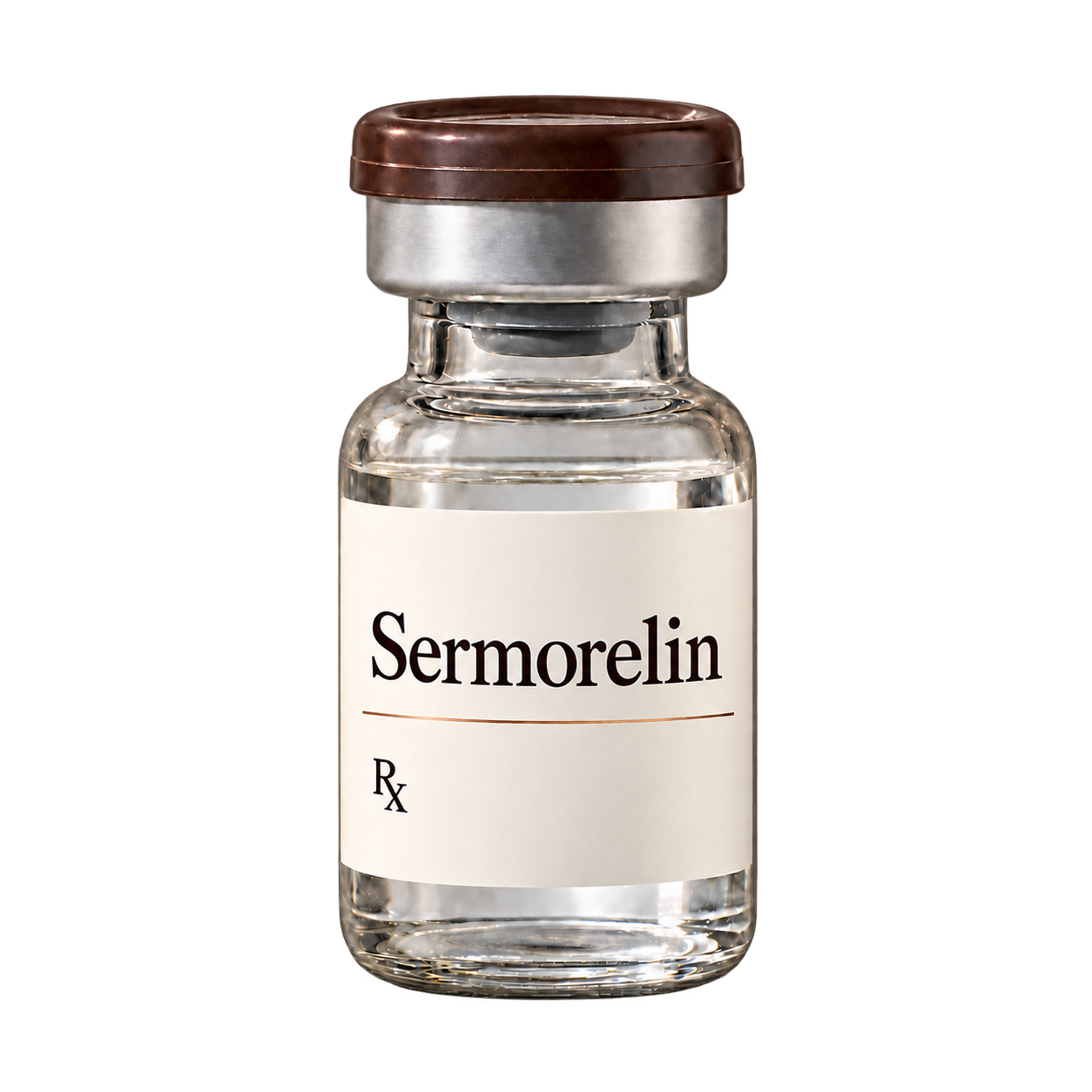
Sermorelin is a lab-made peptide related to growth hormone releasing hormone (GHRH). People ask if it is safe because it is often used in longevity and wellness settings, and many prescriptions are filled as compounded medication rather than an FDA-approved product. Below, you will see what is known about sermorelin safety, what is uncertain, and which symptoms should prompt a call to a clinician or urgent care.
- Is sermorelin safe? It may be for some people with clinician oversight, but risks and unknowns remain.
- Most sermorelin is compounded, which is not FDA-approved and can vary by pharmacy.
- Common issues include injection-site reactions and headache; severe allergy symptoms need urgent care.
- If you have diabetes, cancer history, or are pregnant, discuss risks carefully before considering it.
Is sermorelin safe?
Safety depends on the goal
Safety looks different when a clinician is evaluating a clear medical indication versus using it for general wellness. When evidence is limited, it is harder to weigh potential benefits against side effects and unknowns.
Compounded quality can vary
Compounded medications are prepared for an individual prescription and are not FDA-approved. That means the product you receive can vary by pharmacy, and safety depends partly on compounding quality and sterility practices.
Monitoring is part of safety
Because sermorelin affects the growth hormone axis, clinicians may consider symptoms, medical history, and lab context before and during use. Monitoring helps catch side effects early and reduces the chance of treating the wrong problem.
Sermorelin safety details: risks, side effects, and unknowns
Injection-site reactions
Redness, swelling, itching, or pain where the medication is injected can occur with peptide injections. Mild reactions often improve, but rapidly worsening swelling, widespread hives, or breathing symptoms can signal allergy and needs urgent care.
Headache or lightheadedness
Some people report headache, flushing, or dizziness. Because these symptoms can also come from sleep loss, dehydration, blood pressure changes, or other medications, it is safer to review them with a clinician rather than assuming the cause.
Nausea or stomach upset
Stomach upset has been reported with growth hormone related therapies and peptide use. Persistent vomiting, severe abdominal pain, or dehydration should be evaluated promptly because they can have many causes that are not related to sermorelin.
Allergic reaction
Any medication can trigger an allergic reaction. Seek urgent care for hives, swelling of the face or throat, wheezing, or trouble breathing, and tell the treating clinician about all medications and supplements you use.
Glucose control concerns
Growth hormone can affect insulin sensitivity, so clinicians may be more cautious if you have diabetes or prediabetes. If you notice increased thirst, frequent urination, or unexplained fatigue, ask your clinician whether glucose testing is appropriate.
Long-term safety is uncertain
For many longevity and wellness uses, high-quality long-term studies are limited. If you have a history of cancer, are pregnant or breastfeeding, or have complex endocrine conditions, your clinician may recommend avoiding therapy or choosing alternatives.
- What sermorelin is
- A synthetic peptide related to growth hormone releasing hormone (GHRH) that can stimulate growth hormone release.
- Common formulation today
- Often obtained as a compounded medication rather than an FDA-approved branded product.
- Biggest safety variables
- Your underlying health conditions, monitoring plan, and the quality and consistency of the compounded preparation.
When to talk to a clinician or seek urgent care
Get urgent care for allergy
Seek urgent care for hives, facial or throat swelling, wheezing, or trouble breathing. These can be signs of a severe allergic reaction and should not be managed at home.
Report new or worsening symptoms
Contact your prescribing clinician if you develop persistent headaches, dizziness, nausea, swelling, or any symptom that is new or worsening after starting therapy. They may want to evaluate other causes and adjust the plan.
Discuss cancer and pregnancy
If you have a personal history of cancer, are pregnant, trying to conceive, or breastfeeding, ask for individualized guidance before considering sermorelin. These situations often change the risk and benefit balance.
Ask about glucose monitoring
If you have diabetes or prediabetes, ask whether you need baseline and follow-up glucose checks. Symptoms like increased thirst or frequent urination should be evaluated rather than ignored.
Pro tips for safer decision-making
Clarify your goal
Ask whether your goal is evidence-based or mainly experimental for wellness.
Review baseline labs
Consider checking relevant labs so you do not treat the wrong issue.
Ask about pharmacy quality
Confirm where it is compounded and how quality and sterility are ensured.
Know your red flags
Have a clear plan for which symptoms mean you should contact a clinician urgently.
Frequently Asked Questions
Is sermorelin safe?
Sermorelin may be safe for some people when prescribed and monitored by a licensed clinician, but it still has risks. Because most sermorelin is compounded and not FDA-approved, product quality and consistency can vary by pharmacy.
Is sermorelin FDA-approved?
Many people receive sermorelin as a compounded medication, which is not FDA-approved. If you are considering it, ask your clinician what formulation you would receive and why.
What are the most common sermorelin side effects?
People commonly report injection-site reactions such as redness, itching, or swelling, and sometimes headache or nausea. Any new or worsening symptom should be discussed with your prescribing clinician so other causes are not missed.
What are serious side effects to watch for with sermorelin?
Seek urgent care for signs of a severe allergic reaction such as hives, facial or throat swelling, wheezing, or trouble breathing. Also contact your clinician promptly for persistent or severe symptoms, including concerning changes that could relate to blood sugar.
Do I need labs before considering sermorelin?
A clinician may ask for recent lab results before prescribing. Labs do not diagnose on their own, but they can provide context for a safer discussion about risks, alternatives, and monitoring.