
Sermorelin dosage calculator: how dosing is set
A sermorelin dosage calculator cannot replace a clinician. Use this guide to understand how dosing is determined and what to ask your prescriber.
Key facts
- Sermorelin Injection is $219/month (billed $219 every 30 days), charged only after a clinician approves it.
- Answer a few health questions online. A licensed clinician reviews them. If approved, it ships to your door.
- Adults 18 or older. A licensed clinician reviews your health history and decides whether treatment is appropriate for you. Availability depends on the state you live in.


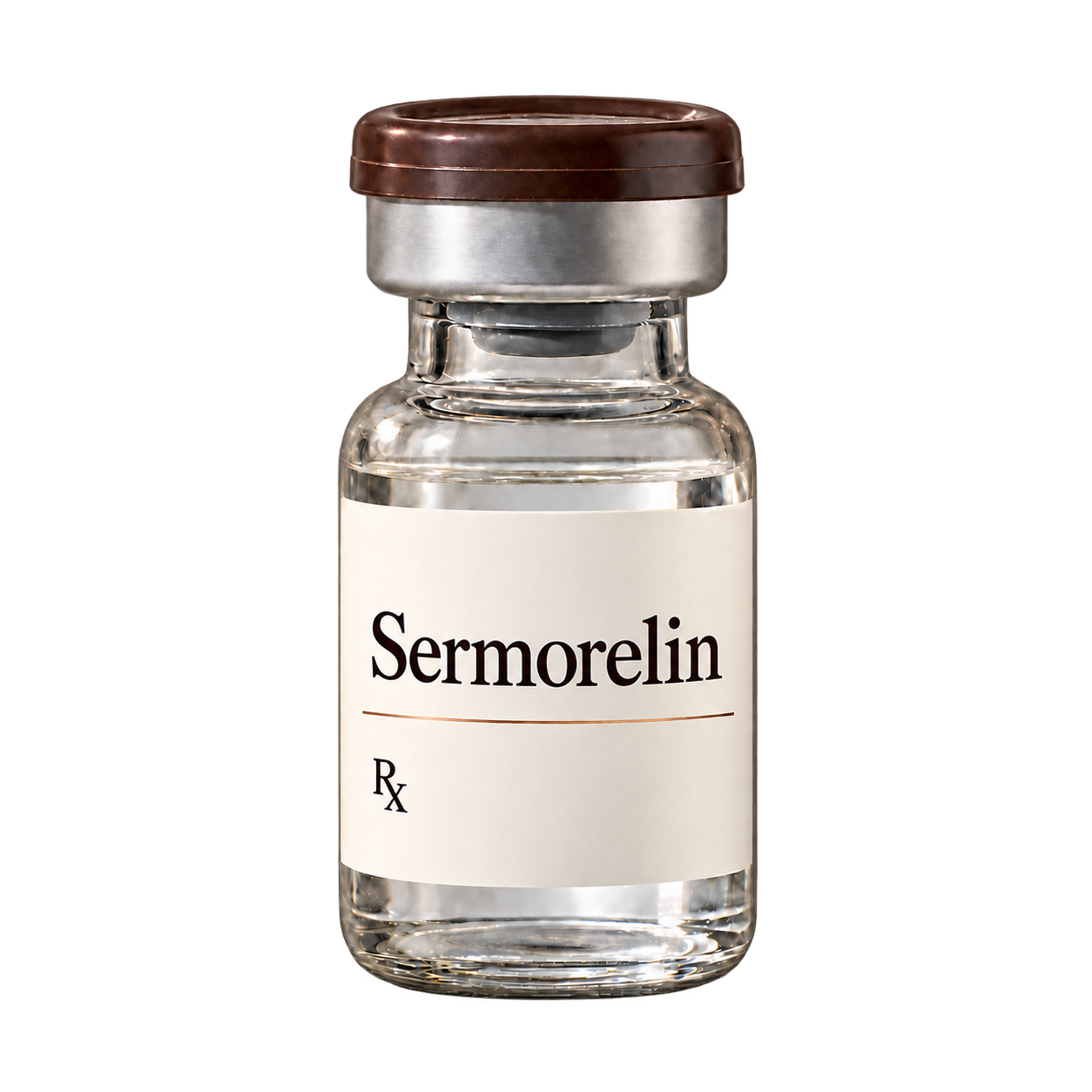
If you searched for a sermorelin dosage calculator, you are probably trying to translate a prescription into a daily plan or double check what you were told. The safest way to think about dosing is that it is a clinician decision based on your goals, medical history, and how you respond over time. This page explains what a calculator can and cannot do, what information your prescriber uses to set a dose, and what to ask at your next check in.
- A sermorelin dosage calculator cannot safely set your personal dose, because dosing depends on your diagnosis and prescription.
- Sermorelin is a peptide that stimulates your pituitary to release growth hormone, which then raises IGF-1.
- In the US, sermorelin is typically compounded and not FDA-approved, so dosing and instructions come from your prescriber and pharmacy.
- If you have concerning symptoms like severe allergy signs, stop and seek urgent care rather than adjusting dose yourself.
Answer: can a calculator tell your dose?
What calculators can do
They can convert units (for example, micrograms to milligrams) and help you check arithmetic. They may also help you understand how a change in concentration would change the volume measured. This is only useful after you have a written prescription and pharmacy label.
What calculators cannot do
They cannot decide whether you should use sermorelin, what dose is appropriate, or how often you should take it. They also cannot account for contraindications, interactions, or monitoring needs. Those decisions require a licensed clinician.
Why this matters for sermorelin
Sermorelin is a growth hormone releasing hormone (GHRH) analog that affects the growth hormone and IGF-1 pathway. Too much stimulation can increase side effects and may be risky in certain conditions. A dosing plan should include follow up and lab monitoring when clinically appropriate.
How sermorelin dosing is determined
Your indication and goals
Historically, sermorelin acetate was used as a diagnostic agent for evaluating growth hormone secretion in children. Many current uses discussed online are outside that original context. Your clinician should clarify the intended use, expected benefits, and what would count as a reason to stop or reassess.
Your baseline risk factors
Before setting a dose, a clinician considers conditions where stimulating the growth hormone axis may be inappropriate, such as active malignancy, and reviews your overall health. They also review medications and supplements that could complicate evaluation of symptoms. This is one reason self dosing based on a calculator is not safe.
How response is monitored
Because growth hormone affects insulin like growth factor 1 (IGF-1), clinicians may use symptoms and, in some cases, lab trends to judge response and safety. If your plan includes labs, ask which markers are being followed and what changes would trigger a dose adjustment. Do not change your dose without prescriber guidance.
Common side effects to watch for
Reported side effects of sermorelin can include injection site reactions and symptoms such as flushing, headache, dizziness, nausea, or sleepiness. If you notice new or worsening symptoms after a dose change, contact your prescriber rather than trying to recalculate your dose.
Serious reactions need urgent help
Seek urgent care for signs of a severe allergic reaction, such as trouble breathing, swelling of the face or throat, or widespread hives. Also get urgent evaluation for severe chest pain, fainting, or any rapidly worsening symptoms. Do not attempt to manage these by adjusting dose.
When to talk to a clinician urgently
Possible severe allergy
Get urgent care for trouble breathing, swelling of lips, tongue, or throat, or widespread hives. These can be signs of anaphylaxis, which is a medical emergency. Do not take another dose until you have been evaluated.
Severe or unusual symptoms
Contact your clinician promptly for severe headache, fainting, severe dizziness, chest pain, or persistent vomiting. These symptoms are not something a dosage calculator can interpret safely. Your clinician may want to evaluate you and review all medications and supplements.
Any dosing confusion
If your vial label, prescription, or instructions do not match what you were told, pause and contact the pharmacy or prescriber. Concentrations can differ across compounded products, and small math errors can lead to large dosing errors. Ask for written clarification.
Practical tips before you ask about dose
Bring the exact label
Have the pharmacy label and prescription in front of you when you ask dosing questions.
Ask what is being monitored
Clarify which symptoms and labs matter most for safety and response.
Report side effects early
New headaches, swelling, tingling, or sleep changes are worth reporting, not recalculating.
Avoid copy-paste dosing
Online protocols may not match your health history or your compounded concentration.
Confirm storage rules
Storage and beyond-use dates can vary by compounding pharmacy and formulation.
Frequently Asked Questions
How much sermorelin per day?
There is no single daily amount that is right for everyone. Your dose depends on your diagnosis, your compounded product concentration, and how your clinician plans to monitor response and side effects. Ask your prescriber to confirm your exact dose in writing.
Is a sermorelin reconstitution calculator reliable?
It can help with arithmetic, but it cannot confirm the correct concentration or instructions for your specific compounded prescription. Reconstitution and storage directions can vary by pharmacy. Use only the instructions from your prescriber and dispensing pharmacy.
Can I use a sermorelin dosage calculator to change my dose?
No. Changing dose without clinician guidance can increase side effects and may be unsafe if you have certain health conditions. If you think your dose is too high or too low, contact your prescriber for a review.
What information should I have before asking about my sermorelin dose?
Have your prescription, the pharmacy label (including concentration), and your current dosing schedule. Also note any side effects and any other medications or supplements you take. This helps your clinician answer safely and accurately.
Is compounded sermorelin FDA-approved?
No. Compounded medications are prepared by a licensed pharmacy for an individual prescription and are not FDA-approved. That is why dosing, instructions, and monitoring should come directly from your prescribing clinician and dispensing pharmacy.