
Sermorelin before and after: what to expect
Sermorelin before and after results vary. See what evidence supports, what changes are realistic, and why timelines differ from person to person.
Key facts
- Sermorelin Injection is $219/month (billed $219 every 30 days), charged only after a clinician approves it.
- Answer a few health questions online. A licensed clinician reviews them. If approved, it ships to your door.
- Adults 18 or older. A licensed clinician reviews your health history and decides whether treatment is appropriate for you. Availability depends on the state you live in.


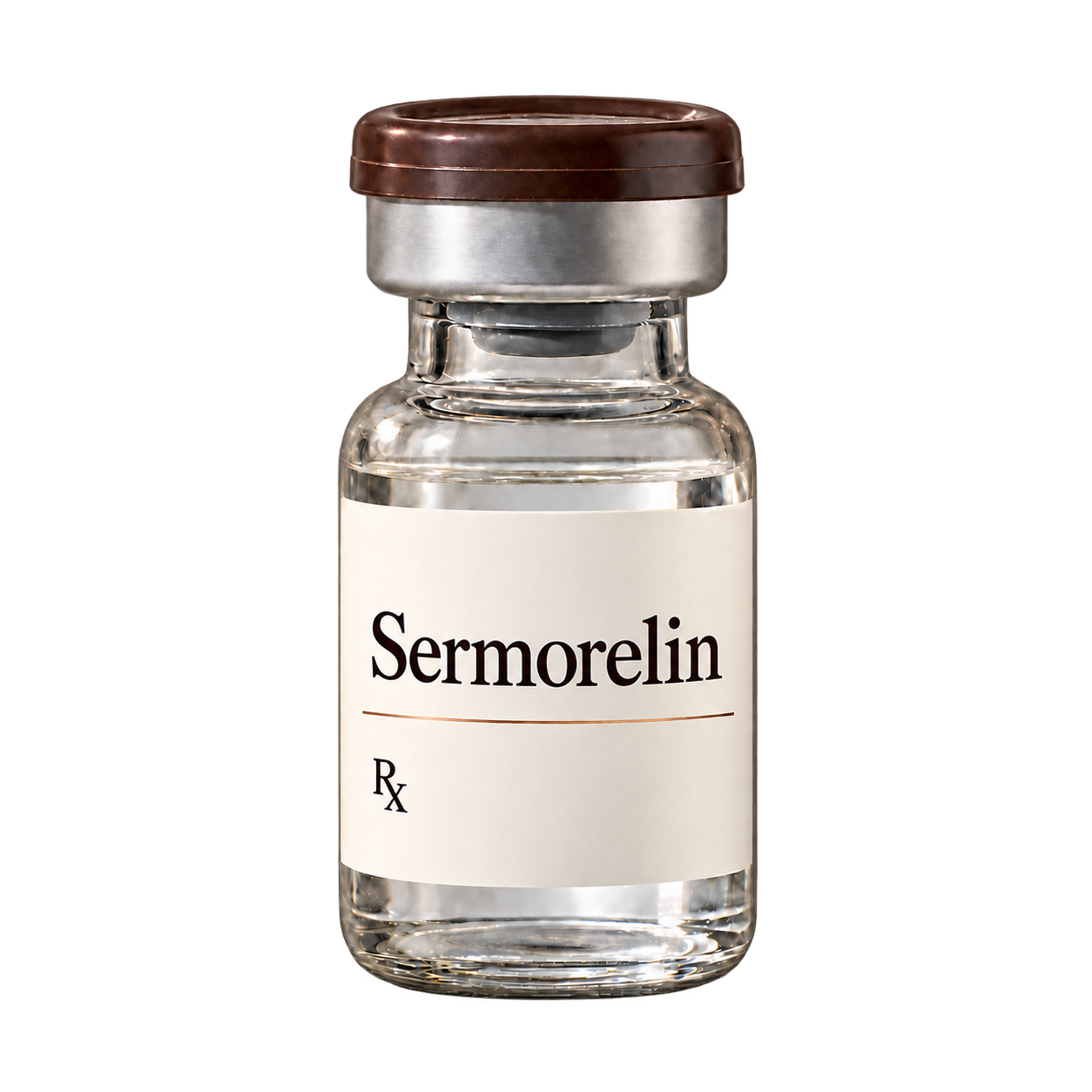
If you are searching for sermorelin before and after photos or stories, it helps to reset expectations. Sermorelin is used to stimulate growth hormone release, but the changes people hope for (body composition, recovery, energy, sleep) are influenced by many factors and are not guaranteed. This guide explains what sermorelin is, what studies support, why results vary, and what to monitor with a clinician. If you are considering treatment, Vitals Vault can connect you with clinician guided care where available.
- Sermorelin before and after changes are usually subtle and vary widely by person.
- Sermorelin is a growth hormone releasing hormone analog; it stimulates your pituitary to release growth hormone.
- Evidence is strongest in diagnosed growth hormone deficiency; for wellness goals, data are limited.
- Your sleep, training, nutrition, and baseline hormone status can affect what you notice.
- If you develop severe headache or vision changes, seek urgent medical evaluation.
Sermorelin before and after: the short answer
What it is
Sermorelin is a synthetic version of growth hormone releasing hormone (GHRH). It is designed to signal your pituitary gland to release growth hormone, which then influences insulin-like growth factor 1 (IGF-1) production in the body.
What evidence supports
Clinical evidence is best established for GHRH analogs in people with confirmed growth hormone deficiency, where raising growth hormone and IGF-1 is the goal. For body composition or anti-aging outcomes in otherwise healthy adults, evidence is limited and not definitive.
Why stories differ
Before and after experiences can differ based on baseline IGF-1, sleep quality, training, nutrition, other medications, and whether symptoms were actually related to low growth hormone signaling. Different compounded formulations and dosing approaches can also contribute to variability.
What results are realistic and why they vary
Energy and sleep
Some people report better sleep or daytime energy, but these outcomes are hard to separate from changes in sleep habits, stress, or training. In studies of growth hormone deficiency, improving growth hormone signaling can affect quality of life, but that does not mean the same effect occurs in healthy adults.
Body composition
Growth hormone and IGF-1 influence fat and lean mass regulation, so body composition is a common reason people seek peptides. However, visible changes depend heavily on diet and resistance training, and research in healthy adults does not consistently show dramatic changes attributable to GHRH stimulation alone.
Recovery and exercise performance
Growth hormone is involved in tissue repair processes, which is why recovery is often mentioned in marketing. Evidence that sermorelin meaningfully improves athletic performance or recovery in healthy adults is limited, and any perceived change may reflect training programming, sleep, or placebo effects.
Skin and appearance
Claims about skin tightening or reversing aging are common online, but high quality evidence for cosmetic changes from sermorelin in healthy adults is lacking. If changes occur, they are more likely to be subtle and gradual rather than a clear before and after transformation.
Lab changes versus symptom changes
A clinician may monitor IGF-1 and other labs to understand physiologic response, but lab movement does not always match how you feel. If symptoms are driven by another issue (sleep apnea, thyroid disease, anemia, depression), changing growth hormone signaling may not address the root cause.
| Factor | Why it matters | What to discuss with a clinician |
|---|---|---|
| Baseline hormone status | If IGF-1 is already normal, changes may be minimal. | Whether symptoms match a hormone issue and what labs are appropriate. |
| Sleep quality and schedule | Growth hormone secretion is linked to sleep, especially deep sleep. | Sleep apnea screening, sleep hygiene, and whether other conditions affect sleep. |
| Training and nutrition | Body composition and recovery depend strongly on protein intake and resistance training. | A realistic plan for strength training and nutrition alongside any therapy. |
| Other medications and conditions | Thyroid disease, diabetes, and other issues can affect energy and body composition. | Medication review and evaluation for other causes of symptoms. |
| Compounded formulation variability | Compounded medications are not FDA-approved and can vary by pharmacy and prescription. | Which pharmacy dispenses, how quality is ensured, and what monitoring is planned. |
When to talk to a clinician
Before starting
Talk with a clinician if you are pursuing sermorelin for fatigue, poor sleep, or body composition changes. Those symptoms can have many causes, and a clinician can help decide whether evaluation for growth hormone deficiency or other conditions makes sense.
If you have diabetes risk
Growth hormone affects glucose metabolism, so it is important to discuss prediabetes, diabetes, or a history of gestational diabetes. Your clinician may recommend baseline and follow-up metabolic labs.
If you are pregnant or breastfeeding
Discuss pregnancy plans, current pregnancy, or breastfeeding with a clinician before considering any peptide therapy. Safety data for these uses are limited.
Urgent symptoms
Seek urgent medical evaluation for severe headache, vision changes, vomiting, confusion, chest pain, or shortness of breath. These symptoms are not something to troubleshoot through a supplement or peptide plan.
Pro tips for setting expectations
Define one measurable goal
Pick one outcome to track, such as sleep quality, training consistency, or labs your clinician recommends.
Track the basics first
Sleep, protein intake, and resistance training often drive the biggest visible changes.
Avoid stacking changes
Changing multiple supplements and routines at once makes it hard to tell what helped.
Plan for monitoring
Ask what symptoms and labs should be checked and how often, based on your history.
Reassess if nothing changes
If you feel no meaningful difference, ask your clinician to revisit the diagnosis and plan.
Frequently Asked Questions
Does sermorelin work?
Sermorelin can stimulate growth hormone release, which is why related drugs have been studied for growth hormone deficiency. For general wellness goals and dramatic before and after changes, evidence in healthy adults is limited and results vary.
Are peptides sermorelin the same as growth hormone?
No. Sermorelin is a growth hormone releasing hormone analog that signals your pituitary to release growth hormone, while growth hormone therapy supplies growth hormone directly. The expected effects, risks, and monitoring approach can differ.
What should I track for sermorelin before and after?
Track a small set of outcomes you and your clinician agree on, such as sleep quality, training consistency, and any labs your clinician orders. Photos alone can be misleading because diet, training, and lighting changes can drive apparent differences.
Why do some people feel nothing on sermorelin?
Symptoms like fatigue and poor recovery can come from many causes, including sleep apnea, thyroid disease, anemia, depression, or overtraining. If growth hormone signaling was not a main driver, stimulating it may not produce noticeable changes.
Is compounded sermorelin FDA-approved?
No. Compounded medications are prepared by a licensed pharmacy for an individual prescription and are not FDA-approved. If you are considering it, ask your clinician how the product is sourced and what monitoring is planned.