
Sermorelin dosage for muscle growth: what to know
Sermorelin dosage for muscle growth is clinician-set, and it is not FDA-approved in the US today. Evidence is limited, so review the risks first.
Key facts
- Sermorelin Injection is $219/month (billed $219 every 30 days), charged only after a clinician approves it.
- Answer a few health questions online. A licensed clinician reviews them. If approved, it ships to your door.
- Adults 18 or older. A licensed clinician reviews your health history and decides whether treatment is appropriate for you. Availability depends on the state you live in.


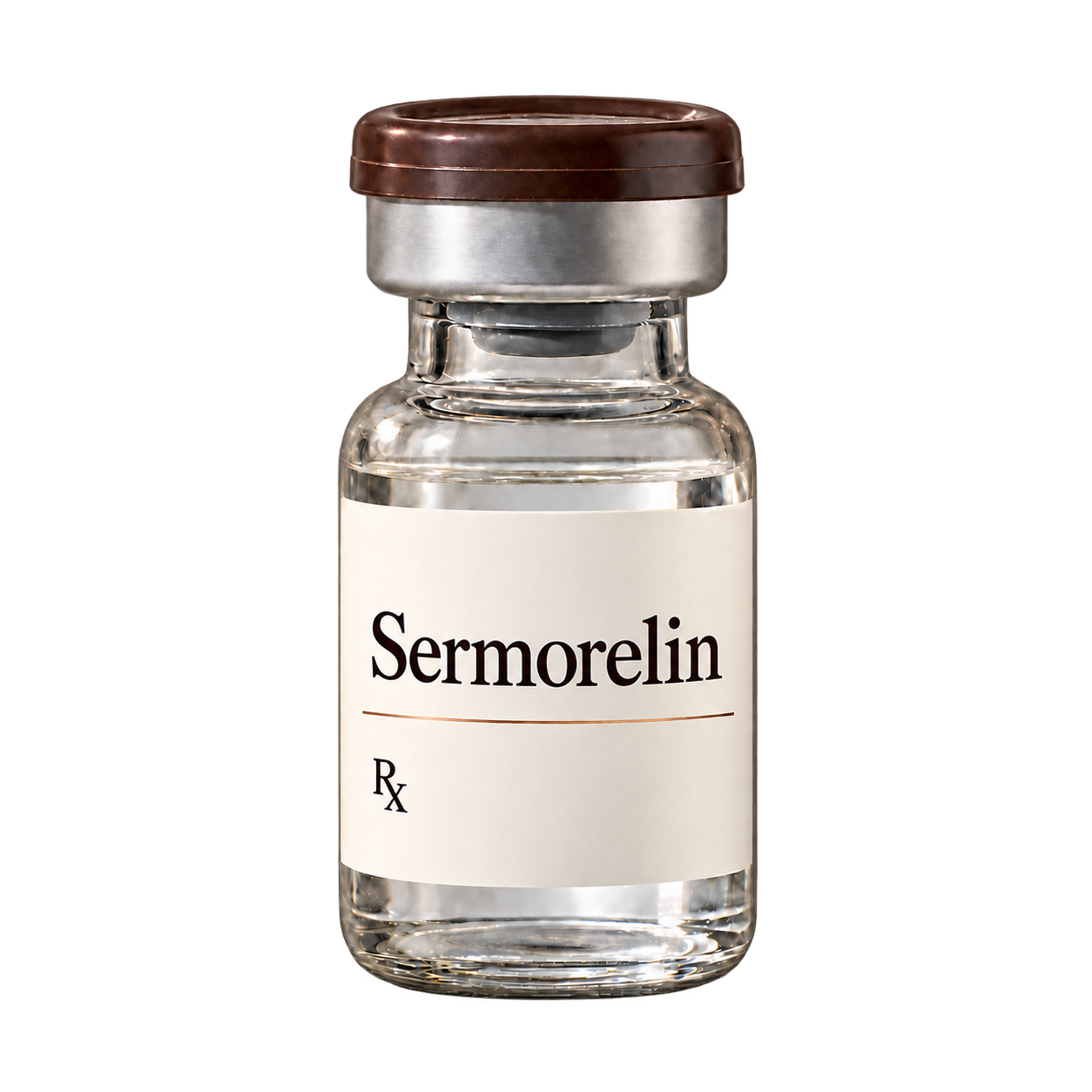
If you searched for sermorelin dosage for muscle growth, you probably want a clear number. The problem is that sermorelin is not FDA-approved in the United States today, and there is no FDA label that defines a muscle growth dose. This page explains what that means for dosing decisions, what to ask your clinician, and how to think about benefits and risks. Vitals Vault can also help you track questions and monitoring over time.
- There is no established sermorelin dosage for muscle growth, and it is not FDA-approved in the US today.
- If prescribed, dosing is individualized based on your goal, risks, and monitoring plan.
- Muscle growth evidence is limited; resistance training and nutrition still drive most results.
- Discuss side effects, cancer risk concerns, and endocrine conditions before using any growth hormone pathway therapy.
Is there a standard sermorelin dose for muscle growth?
Why you will not find a label dose
Sermorelin was previously marketed in the US as an injectable prescription product for pediatric growth hormone deficiency, but that product is no longer marketed. Without a current FDA-approved product label, online dose charts are not a reliable or safe substitute for clinician guidance.
What clinicians base dosing on
When a clinician prescribes compounded sermorelin, they typically individualize the plan based on your medical history, risk factors, symptoms, and how you will be monitored. They may also consider other medications and conditions that affect the growth hormone axis.
What muscle growth evidence means
Sermorelin is a growth hormone releasing hormone (GHRH) analog, meaning it can stimulate your pituitary to release growth hormone. Even if growth hormone and IGF-1 change, that does not automatically translate to meaningful muscle gain without training, adequate protein, and recovery.
Dosage details: what is known and what is not
Compounded sermorelin is not standardized
Compounded medications can differ by pharmacy, concentration, and directions for use. That is why you should follow the specific instructions provided by your prescribing clinician and dispensing pharmacy, rather than copying a dose from a forum or a calculator.
Muscle growth is an off-label goal
Using sermorelin with the goal of muscle growth or body recomposition is not an FDA-approved indication. If you are considering it, ask your clinician what outcome you are targeting, how you will measure it, and what would make you stop or reassess.
Potential side effects to review
People report side effects such as injection site reactions, headache, flushing, or nausea, but rates vary and depend on the product and population studied. Because sermorelin affects growth hormone signaling, discuss endocrine conditions and any history of cancer with your clinician.
Serious risks to discuss
Any therapy that changes growth hormone and IGF-1 raises questions about effects on glucose regulation and theoretical concerns in people with active malignancy. If you have diabetes, prediabetes, or a personal cancer history, get individualized guidance before using growth hormone pathway therapies.
Interactions and other hormones
Other hormones and medications can affect the growth hormone axis, sleep, and recovery, which can change how you feel on treatment. Bring a complete medication and supplement list, including testosterone or thyroid medications, to your clinician visit.
When to talk to a clinician about dosing
Before you start
Talk with a clinician if you have diabetes or prediabetes, thyroid disease, pituitary disease, sleep apnea, or a history of cancer. These conditions can change the risk-benefit picture for growth hormone pathway therapies and may change what monitoring is appropriate.
If side effects show up
Contact your clinician if you develop persistent headaches, swelling, numbness or tingling, significant joint pain, or symptoms of high blood sugar such as increased thirst and urination. Your clinician may reassess dosing, timing, or whether the treatment still makes sense.
If your goals are not being met
If you are using sermorelin for muscle growth and results are not matching expectations, ask for a structured check-in. A clinician can help you separate training and nutrition issues from medication effects and decide whether to continue, adjust, or stop.
If you are using other peptides
Tell your clinician if you are also using other peptides or performance products. Combining products can increase uncertainty and risk, and it can make it harder to interpret symptoms and lab changes.
Pro tips for safer expectations
Define a measurable goal
Ask what you will track: strength, recovery, symptoms, or clinician-selected labs.
Bring your full list
Include prescriptions, supplements, peptides, and any hormone therapies.
Plan monitoring upfront
Ask how often follow-ups happen and what would trigger a change.
Do not chase a number
Online dose targets are not a substitute for individualized medical decisions.
Prioritize basics
Training, protein, sleep, and stress management still matter most.
Frequently Asked Questions
What is the sermorelin dosage for muscle growth?
There is no FDA-approved, standard sermorelin dosage for muscle growth. If a clinician prescribes compounded sermorelin, they set dosing based on your history, goals, and monitoring plan, not a universal chart.
Is sermorelin FDA-approved?
Sermorelin is not FDA-approved in the United States today. It was previously marketed for pediatric growth hormone deficiency, but that product is no longer marketed.
Can sermorelin increase IGF-1 and does that mean more muscle?
Sermorelin can stimulate growth hormone release, which can affect IGF-1, but changes in hormones do not guarantee meaningful muscle gain. Training, nutrition, sleep, and your overall health still drive most body composition outcomes.
What side effects should I watch for with sermorelin?
Possible side effects can include injection site reactions, headache, flushing, or nausea, but frequency depends on the product and population. Contact your clinician if you have persistent headaches, swelling, numbness or tingling, or symptoms of high blood sugar.
Can Vitals Vault help me track sermorelin questions and monitoring?
Yes. PocketMD can help you organize questions about dosing and monitoring using your own health history and labs, and it can tell you when to see a clinician. It is not a doctor and is not for emergencies.