
Estrogen pill: what it is and who it is for
An estrogen pill is oral estradiol used for menopausal symptoms and low estrogen. Learn the benefits, risks, side effects, and access.
Key facts
- Estradiol Oral Capsules is $66.34/month (billed $199 every 90 days), charged only after a clinician approves it.
- Answer a few health questions online. A licensed clinician reviews them. If approved, it ships to your door.
- Adults 18 or older. A licensed clinician reviews your health history and decides whether treatment is appropriate for you. Availability depends on the state you live in.
- A $20 clinician review, refunded if you don’t qualify.





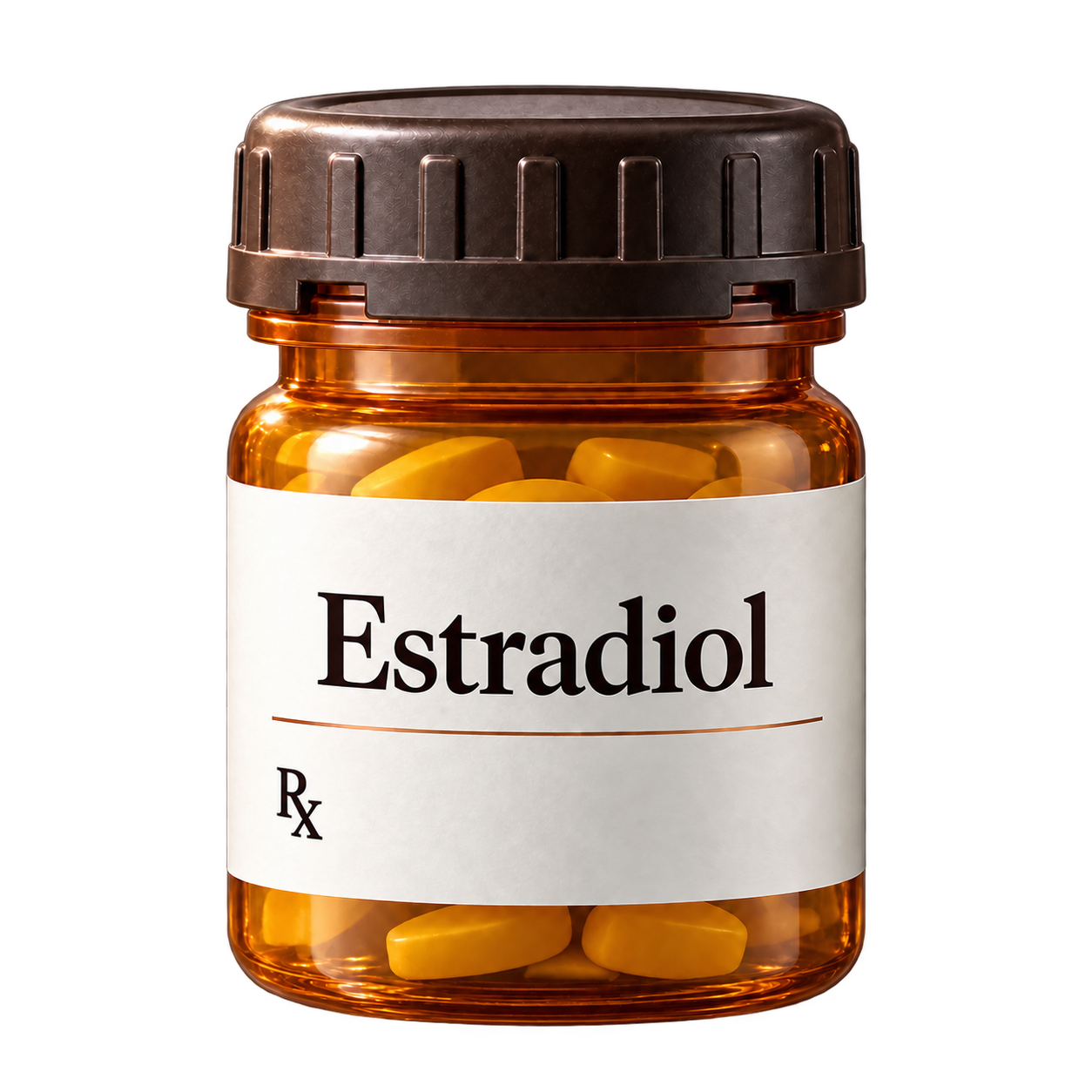
An estrogen pill usually means oral estradiol, a prescription form of estrogen used to treat certain menopause related symptoms and low estrogen states. The right form and dose depend on your symptoms, your uterus status, and your personal risk factors. This guide explains what an estrogen pill is, expected benefits and risks, and how access typically works. If you are exploring care through Vitals Vault, a licensed clinician reviews your history and helps decide whether estradiol fits your goals and safety profile.
- An estrogen pill is usually oral estradiol used to treat menopausal symptoms and low estrogen.
- Estrogen has boxed warnings, including blood clots, stroke, and certain cancers, and needs individualized risk review.
- If you still have a uterus, a progestogen is often added to reduce endometrial cancer risk.
- Oral estrogen can interact with some medicines and may not be best with certain clot or liver risks.
What an estrogen pill is
Oral estradiol
Most people mean oral estradiol tablets, an FDA approved form of estrogen. It is used as hormone therapy to treat certain menopause related symptoms and some low estrogen conditions. Different strengths exist, and a clinician chooses the lowest effective dose for the shortest duration consistent with treatment goals.
Not the same as vaginal estrogen
Vaginal estrogen products are designed to treat genitourinary symptoms such as vaginal dryness and painful sex, with lower systemic absorption for many formulations. An oral estrogen pill is a systemic therapy, meaning it circulates through the bloodstream. The best option depends on which symptoms you are treating.
Often paired with a progestogen
If you have a uterus, estrogen alone can increase the risk of endometrial cancer. Many people need a progestogen (progesterone or a progestin) along with estrogen to reduce this risk. Your clinician will base this on your uterus status and your overall risk profile.
Multiple delivery options exist
Estradiol can be delivered by tablet, patch, gel, spray, or vaginal products depending on the indication. Oral estrogen is convenient, but it is not always the preferred route for every person. Your clinician may discuss non oral options if you have higher clot risk, migraine with aura, or other concerns.
- Active ingredient commonly used
- Estradiol (systemic estrogen hormone therapy).
- Typical goal
- Relief of moderate to severe vasomotor symptoms and other approved indications per product label.
- Key safety framing
- Use the lowest effective dose for the shortest duration consistent with treatment goals.
How an estrogen pill works
Replaces declining estrogen
During the menopause transition, ovarian estrogen production falls and can drive symptoms like hot flashes and night sweats. Oral estradiol provides estrogen that can reduce these symptoms in many people. Symptom response and tolerability vary, so follow up matters.
Acts on estrogen receptors
Estradiol binds to estrogen receptors in many tissues, including the brain, bones, and reproductive tract. That broad activity is why it can help multiple symptoms, but also why risks and contraindications must be reviewed carefully. Your clinician weighs symptom burden against individualized risk.
Oral route changes liver signaling
When taken by mouth, estradiol is processed through the liver before reaching the rest of the body. This can influence clotting factors and triglycerides in some people, which is one reason oral estrogen may not be preferred for those with certain cardiovascular or clot risks. Non oral routes may be considered when appropriate.
Uterus protection is separate
Estrogen treats symptoms, but it does not protect the uterine lining by itself. If you have a uterus, adding a progestogen is the usual strategy to reduce endometrial hyperplasia and cancer risk. The exact regimen depends on your situation and the products used.
Who an estrogen pill may be for
Bothersome hot flashes
Systemic estrogen is an FDA approved treatment for moderate to severe vasomotor symptoms of menopause, such as hot flashes and night sweats. If symptoms affect sleep, work, or quality of life, it may be considered after a risk review. Your clinician will also discuss nonhormonal options when appropriate.
Menopause related vaginal symptoms
Systemic estrogen can help some genitourinary symptoms, but many people do well with local vaginal estrogen instead. If your main issue is vaginal dryness, burning, or painful sex, ask whether a vaginal product could meet your goals with less systemic exposure. The best choice depends on symptom pattern and medical history.
Low estrogen states
Some estradiol products are indicated for certain hypoestrogenism conditions, such as due to hypogonadism, castration, or primary ovarian failure, depending on the specific label. These situations require clinician evaluation to confirm the cause and choose the safest formulation. Do not self diagnose low estrogen based on symptoms alone.
People who can follow up
Hormone therapy works best when you can reassess symptoms and side effects and review ongoing risks over time. Follow up visits help ensure you are on an appropriate regimen and that any abnormal bleeding or new symptoms are evaluated promptly. Your clinician may also coordinate age appropriate preventive care.
Who should not take an estrogen pill
Estrogen dependent cancer history
Systemic estrogen is contraindicated in known, suspected, or history of breast cancer and in known or suspected estrogen dependent neoplasia, per product labeling. If you have a cancer history, decisions about hormones should be made with your oncology and gynecology teams. Do not start or restart estrogen without clinician guidance.
Blood clots or stroke history
Systemic estrogen is contraindicated in active or past deep vein thrombosis or pulmonary embolism and in active or recent arterial thromboembolic disease such as stroke or myocardial infarction. Oral estrogen can increase the risk of clots in some people. Your clinician will review personal and family clot history and other risk factors.
Unexplained vaginal bleeding
Undiagnosed abnormal genital bleeding is a contraindication until evaluated. Bleeding after menopause can have many causes, including benign conditions and cancer, and needs prompt assessment. Report any new or unusual bleeding to a clinician right away.
Liver disease
Systemic estrogen is contraindicated in known liver impairment or disease in many estradiol product labels. Because oral estrogen is processed through the liver, underlying liver problems can change safety and drug handling. Your clinician may recommend a different approach or route.
Pregnancy
Estradiol is contraindicated in pregnancy. If pregnancy is possible, discuss contraception and what to do if you miss a period or suspect pregnancy. Seek urgent care for severe abdominal pain or heavy bleeding.
What to expect with an estrogen pill
Symptom tracking matters
Keep a simple record of hot flashes, sleep disruption, mood changes, and vaginal symptoms so you and your clinician can judge whether treatment is helping. Improvement can be gradual and may require regimen adjustments. Do not change how you take estrogen without clinician direction.
Bleeding patterns can change
Depending on whether a progestogen is used and how it is scheduled, you may have spotting or bleeding, especially early in treatment. Any persistent, heavy, or new bleeding after menopause should be evaluated. This is particularly important if you are on estrogen without adequate uterine protection.
Follow up and preventive care
Hormone therapy is not a set it and forget it medication. Your clinician will periodically reassess whether benefits still outweigh risks and whether the route or dose should be reconsidered. Continue routine screening such as mammography as recommended for your age and risk.
Route may be reconsidered
If you develop side effects, new migraine patterns, rising triglycerides, or new clot risk factors, your clinician may discuss switching to a non oral route or using a different strategy. The goal is symptom relief with the safest approach for your situation. Always report new symptoms promptly.
Estrogen pill side effects and warnings
Nausea and stomach upset
Nausea, bloating, or abdominal discomfort can occur with oral estrogen. Taking it consistently the way your clinician prescribes may help, and symptoms sometimes lessen over time. Tell your clinician if vomiting, severe pain, or persistent symptoms occur.
Breast tenderness
Breast tenderness or swelling can happen, especially when starting or changing hormone therapy. This can also occur with combined estrogen and progestogen regimens. Report a new breast lump, nipple discharge, or skin changes promptly.
Headache
Headaches can occur with systemic estrogen. New severe headaches, migraine with neurologic symptoms, or headaches with vision changes need urgent evaluation because they can overlap with warning signs of stroke. Discuss any change in headache pattern with your clinician.
Abnormal uterine bleeding
Spotting or bleeding can occur, but postmenopausal bleeding should always be evaluated. Estrogen without a progestogen in someone with a uterus increases the risk of endometrial hyperplasia and cancer. Contact your clinician for any unexpected bleeding.
Blood clots and stroke
Systemic estrogen therapy carries a boxed warning for increased risk of stroke and deep vein thrombosis, and estrogen plus progestin therapy carries boxed warnings for cardiovascular and thromboembolic risks. Seek emergency care for chest pain, shortness of breath, or one sided weakness. Your clinician will screen for clot risk factors before prescribing.
Breast cancer and dementia warnings
Estrogen plus progestin therapy has boxed warnings for increased risk of invasive breast cancer and probable dementia in women aged 65 years and older in WHI related labeling. Estrogen alone has boxed warnings for endometrial cancer risk and other serious risks. Your clinician will discuss how these warnings apply to your age, uterus status, and history.
Cost and access for an estrogen pill
What drives cost
Cost varies by the exact estradiol product, strength, and whether you use a generic or a brand. Your pharmacy, insurance coverage, and whether a progestogen is also prescribed can change your total out of pocket cost. Current prices for the product linked on this page are shown in the price block when available.
Insurance and prior authorization
Many oral estradiol generics are covered by insurance plans, but coverage rules differ. Some plans require trying a generic first or may require prior authorization for certain formulations. If coverage is denied, your clinician may be able to document medical necessity or discuss alternatives.
Prescription requirements
An estrogen pill requires a prescription and should be started only after a clinician reviews contraindications such as clot history, unexplained bleeding, and certain cancers. You may also need periodic follow up visits to reassess risks and benefits. If labs are requested, they help inform safe prescribing rather than diagnose menopause by themselves.
Access options
You can access estradiol through local clinicians and pharmacies or through telehealth where permitted. Availability and prescribing rules can vary by state. If you are considering online care, confirm how follow up, refills, and urgent concerns are handled.
How to get an estrogen pill safely
- 1
Review your symptoms and goals
Note your main symptoms, when they started, and what you have tried so far.
- 2
Share your medical history
Tell the clinician about clot history, cancers, migraines, liver disease, and any abnormal bleeding.
- 3
Discuss the right formulation
Talk through oral versus non oral options and whether you need a progestogen for uterine protection.
- 4
Plan follow up and monitoring
Set expectations for check ins, side effect monitoring, and what symptoms require urgent evaluation.
Frequently Asked Questions
What is an estrogen pill used for?
An estrogen pill usually refers to oral estradiol used as systemic hormone therapy. Depending on the specific product label, it can be used for moderate to severe vasomotor symptoms of menopause and certain low estrogen conditions. A clinician should confirm the indication and review risks first.
Is an estrogen pill the same as estradiol?
Many estrogen pills contain estradiol, the primary estrogen made by the ovaries before menopause. Some products use other estrogen forms, so the exact ingredient matters for dosing and safety information. Check the prescription label and discuss options with your clinician.
Do I need progesterone with an estrogen pill?
If you have a uterus, estrogen alone can increase the risk of endometrial hyperplasia and cancer. Many people are prescribed a progestogen along with estrogen to reduce that risk. Your clinician will tailor this based on your uterus status and medical history.
What are the most serious risks of an estrogen pill?
Systemic estrogen products carry boxed warnings that include risks such as blood clots and stroke, and certain cancer related risks depending on whether estrogen is used alone or with a progestogen. These risks are not the same for everyone. A clinician should review your personal risk factors before prescribing.
How much does an estrogen pill cost?
Cost depends on the exact estradiol product, strength, pharmacy, and insurance coverage, and whether you also need a progestogen. If a price block is shown on this page, it reflects current catalog pricing for the linked product. A clinician can also discuss alternatives if cost is a barrier.