
Vaginal estrogen tablet: what it is and who it helps
A vaginal estrogen tablet is a low dose estradiol insert for menopausal vaginal symptoms. Learn how it works, the safety, and access.
Key facts
- Estradiol Vaginal Cream is $39.67/month (billed $119 every 84 days), charged only after a clinician approves it.
- Answer a few health questions online. A licensed clinician reviews them. If approved, it ships to your door.
- Adults 18 or older. A licensed clinician reviews your health history and decides whether treatment is appropriate for you. Availability depends on the state you live in.
- A $20 clinician review, refunded if you don’t qualify.





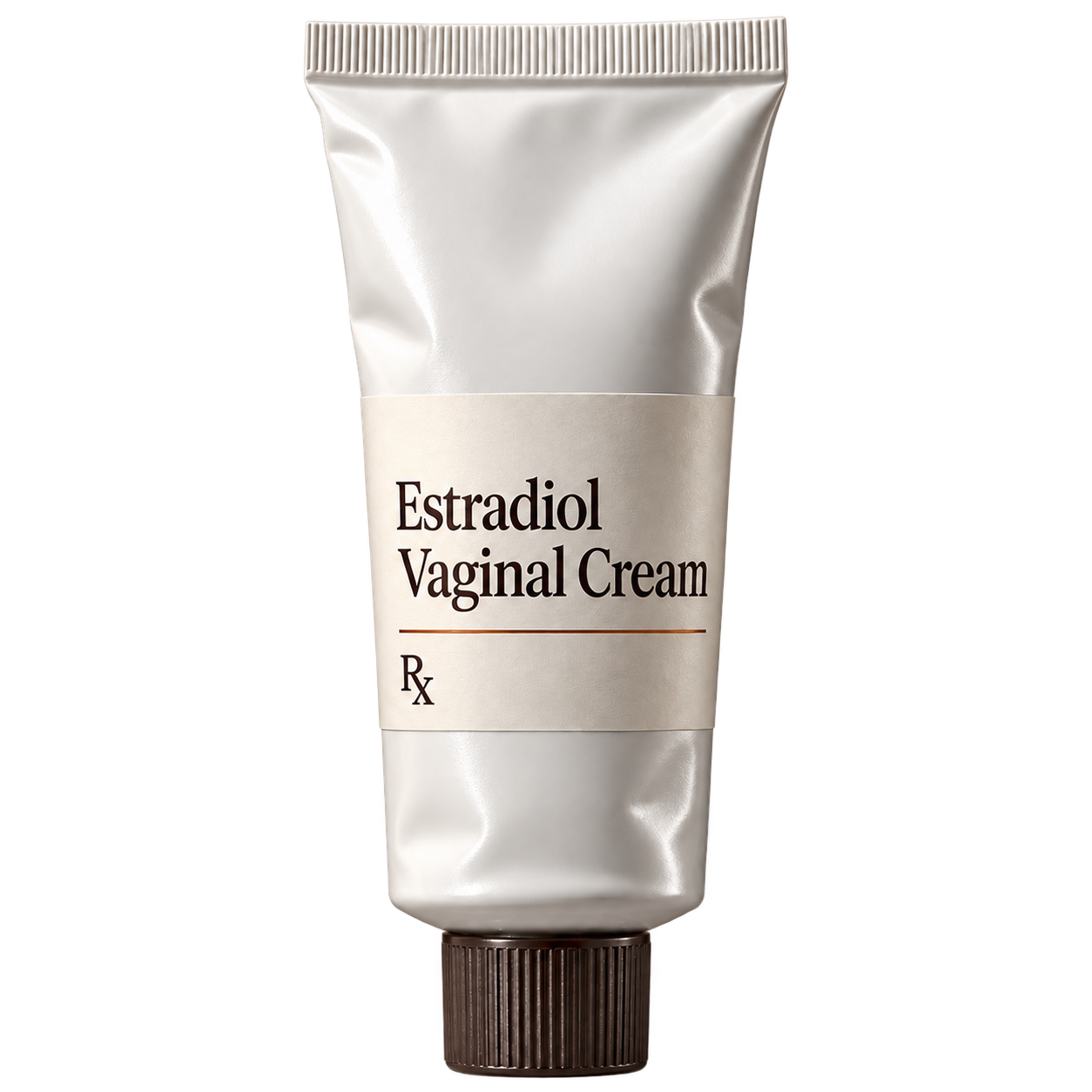
A vaginal estrogen tablet is a small estradiol insert placed in the vagina to treat menopausal vaginal symptoms such as dryness, burning, and pain with sex. It is considered a local (vaginal) estrogen therapy, which usually uses much lower doses than systemic estrogen. This page explains what a vaginal estrogen tablet is, who it may fit, key safety warnings, and how access typically works.
- A vaginal estrogen tablet is a small estradiol insert used in the vagina for menopausal vaginal symptoms.
- It treats vaginal dryness and painful sex by restoring local estrogen effects in vaginal tissue.
- Even though it is local therapy, estrogen has boxed warnings and is not for everyone.
- Cost depends on product type, insurance coverage, and whether it is compounded or FDA-approved.
What a vaginal estrogen tablet is
A local estradiol insert
A vaginal estrogen tablet is a small insert (often called a vaginal tablet or vaginal insert) that contains estradiol, a form of estrogen. It is placed in the vagina to treat symptoms related to low estrogen in vaginal tissue after menopause. FDA-approved examples include vaginal estradiol inserts such as Vagifem and Imvexxy.
Different from oral estrogen
Vaginal inserts are designed to act mainly in the vaginal area, while oral estrogen and many patches are systemic therapies that circulate throughout the body. This matters because systemic estrogen is used for broader menopausal symptoms, but it can also carry different risk and monitoring considerations. Your clinician can help match the route to your goals and risk factors.
Part of GSM treatment
Many people use vaginal estrogen for genitourinary syndrome of menopause (GSM), which is the umbrella term for vaginal and urinary symptoms caused by low estrogen after menopause. GSM can include dryness, irritation, painful sex, and some urinary symptoms. Vaginal estradiol is one of the standard prescription options for GSM.
Not the same as compounded
Some vaginal estradiol products are FDA-approved, and some are compounded by a pharmacy for an individual prescription. Compounded medications are not FDA-approved and can differ in formulation and instructions. If your product is compounded, your prescribing clinician and dispensing pharmacy provide the specific directions and safety counseling.
How it works for vaginal symptoms
Rebuilds healthier tissue
After menopause, lower estrogen can make vaginal tissue thinner, drier, and more fragile. Vaginal estradiol helps reverse these changes by improving the thickness and elasticity of the vaginal lining. This can reduce dryness and discomfort during sex.
Improves lubrication and pH
Low estrogen can change vaginal pH and the balance of vaginal bacteria, which may contribute to irritation and recurrent symptoms. Local estradiol can help restore a more typical vaginal environment. For many people, that translates into less burning and irritation.
Primarily local exposure
Vaginal inserts are intended to deliver estradiol locally, but some systemic absorption can still occur. That is one reason the FDA labeling for estrogen products includes class boxed warnings and specific contraindications. Your clinician weighs symptom severity, medical history, and alternative options.
Who a vaginal estrogen tablet may be for
Vaginal dryness after menopause
If you have persistent vaginal dryness, burning, or irritation related to menopause, a vaginal estradiol insert may be an option. These symptoms often do not improve with time on their own. A clinician can confirm whether GSM is the likely cause.
Pain with sex from dryness
Painful sex (dyspareunia) can happen when vaginal tissue becomes thin and dry. FDA-approved vaginal estradiol inserts are indicated to treat moderate to severe painful intercourse due to menopause. If pain is new, severe, or associated with bleeding, you should be evaluated first.
When moisturizers are not enough
Nonhormonal vaginal moisturizers and lubricants can help mild symptoms, but they do not treat the underlying tissue changes. If you are still uncomfortable despite consistent use, local estrogen therapy is a common next step. Your clinician may also discuss other prescription options.
People avoiding systemic estrogen
Some people prefer local therapy because they are not looking for whole body menopausal symptom treatment. Vaginal estradiol is not intended to treat hot flashes. If you have broader symptoms, your clinician may discuss systemic hormone therapy or nonhormonal alternatives.
Who should not use it or needs extra caution
Undiagnosed vaginal bleeding
Unexpected vaginal bleeding after menopause needs medical evaluation before starting estrogen therapy. Bleeding can have many causes, including conditions that require different treatment. Your clinician may recommend an exam and additional testing first.
Estrogen dependent cancers
Estrogen therapy is generally contraindicated in people with known, suspected, or history of breast cancer or other estrogen dependent cancers, depending on the product labeling and your clinical context. If you have a cancer history, decisions about vaginal estrogen should be made with your oncology and gynecology team. Do not assume local therapy is automatically safe.
Blood clots or stroke history
Estrogen products carry boxed warnings about cardiovascular and thromboembolic risks, including deep vein thrombosis, pulmonary embolism, and stroke. The level of risk depends on your individual factors and the type of estrogen therapy. A clinician should review your clotting history and risk profile.
Liver disease or allergies
Some estrogen products are contraindicated in people with liver dysfunction or hypersensitivity to ingredients in the formulation. If you have significant liver disease or have had allergic reactions to hormone products, tell your clinician. The inactive ingredients can differ by product.
Pregnancy and breastfeeding
Vaginal estradiol inserts are not intended for use in pregnancy. If pregnancy is possible, discuss contraception and evaluation of symptoms with a clinician. If you are breastfeeding, ask your clinician about risks and alternatives.
What to expect if you start a vaginal estrogen tablet
Symptom relief is gradual
Many people notice improvement over time rather than immediately, because the tissue changes that cause dryness and irritation take time to reverse. Your clinician may reassess symptoms after you have used the medication consistently. If symptoms persist, you may need a different approach or evaluation for other causes.
Ongoing maintenance is common
GSM is usually a chronic condition related to low estrogen after menopause. If vaginal estrogen is effective, many people continue some form of maintenance therapy under clinician guidance. Your clinician will balance symptom control with the lowest effective exposure for you.
Follow up matters
You may need follow up to review symptom response, side effects, and any new bleeding or breast changes. If you have a uterus, your clinician may discuss whether you need any additional therapy based on your overall hormone plan. Routine preventive care and age appropriate screening still apply.
How it is used
Vaginal estradiol inserts are placed in the vagina using the product's applicator or delivery system, depending on the brand. Your pharmacist or prescribing clinician can show you how to use it, and the product Instructions for Use describe the steps. If your product is compounded, the dispensing pharmacy provides instructions.
Side effects and warnings
Vaginal irritation or discharge
Local side effects can include vaginal irritation, itching, burning, or increased discharge. These may be more noticeable when you first start treatment or if you are sensitive to an ingredient in the formulation. If symptoms are severe, persistent, or you develop odor or fever, you should be evaluated for infection or other causes.
Pelvic discomfort or spotting
Some people report pelvic discomfort, cramping, or spotting. Any new or recurrent vaginal bleeding after menopause should be taken seriously and evaluated, even if you are using local estrogen. Contact a clinician promptly if bleeding occurs.
Breast tenderness or headache
Although vaginal estradiol is intended to be local, systemic absorption can occur and may contribute to symptoms such as breast tenderness or headache in some people. If these symptoms are new or worsening, your clinician may reassess the product, dose, or alternative options. Seek urgent care for severe headache with neurologic symptoms.
Blood clots and stroke
Estrogen products carry boxed warnings about increased risks of blood clots (deep vein thrombosis and pulmonary embolism) and stroke, particularly with systemic estrogen therapy. Get urgent care for chest pain, shortness of breath, sudden weakness, or trouble speaking. Your clinician will review your personal risk factors before prescribing.
Endometrial cancer risk
For people with a uterus, unopposed estrogen can increase the risk of endometrial (uterine lining) cancer, and any abnormal bleeding needs evaluation. The degree of risk depends on the type of estrogen therapy and your clinical situation. Report postmenopausal bleeding promptly.
Dementia warning in older adults
FDA boxed warnings for estrogen therapy include an increased risk of probable dementia in women age 65 years and older with certain systemic estrogen regimens. This warning comes from studies of systemic therapy and may not reflect the risk with low dose vaginal products, but it is still part of class labeling. Discuss your age and risk factors with your clinician.
Cost and access
What drives the price
Cost varies based on whether the product is an FDA-approved vaginal estradiol insert or a compounded formulation, the pharmacy and dispensing fees, and the quantity supplied. Insurance coverage can also change your out of pocket cost. Current prices, when available, are shown on this page in the price block.
Insurance coverage varies
Some plans cover certain vaginal estrogen products but not others, or require prior authorization or step therapy. Formularies can differ by plan and can change over time. If you have coverage, your clinician or pharmacy may help document medical need.
Access and follow up
Vaginal estrogen is prescription only, so access typically involves a health history review and sometimes an exam, especially if symptoms are new or you have bleeding. Follow up helps confirm the treatment is working and that side effects are manageable. If you use a compounded product, availability and instructions depend on the dispensing pharmacy.
How to get a vaginal estrogen tablet safely
- 1
Describe your symptoms and goals
Share what you are feeling, how long it has been going on, and what you have already tried.
- 2
Review your medical history
A licensed clinician reviews bleeding history, clot risk, cancer history, and current medications.
- 3
Confirm the right product type
Your clinician helps choose between inserts, creams, rings, or nonhormonal options based on fit.
- 4
Start with a monitoring plan
You and your clinician agree on follow up and what symptoms should prompt urgent evaluation.
Frequently Asked Questions
What is a vaginal estrogen tablet used for?
A vaginal estrogen tablet (estradiol vaginal insert) is used to treat menopausal vaginal symptoms such as dryness and pain with sex due to low estrogen in vaginal tissue. It is a local therapy placed in the vagina, not an oral estrogen pill. Your clinician can confirm whether your symptoms fit GSM.
Is a vaginal estrogen tablet the same as Vagifem?
Vagifem is one FDA-approved brand of estradiol vaginal insert. People sometimes use “vaginal estrogen tablet” to refer to Vagifem or to the general product type. The exact device, ingredients, and instructions depend on the specific product prescribed.
What are the side effects of a vaginal estrogen tablet?
Common side effects can include vaginal irritation, discharge, spotting, headache, or breast tenderness. Estrogen products also carry serious warnings, including blood clots, stroke, and endometrial cancer risk, so you should review your history with a clinician. Seek urgent care for symptoms of clot or stroke.
How much does a vaginal estrogen tablet cost?
Cost depends on the specific product, insurance coverage, and whether it is an FDA-approved insert or a compounded formulation. Prices can also vary by pharmacy and quantity dispensed. When available, current prices are shown on this page in the price block.
Can I use a vaginal estrogen tablet if I had breast cancer?
This depends on your cancer type, treatment history, and your oncology team’s guidance. Estrogen therapy is generally contraindicated in people with known or suspected breast cancer, but some situations require individualized risk benefit discussion. Do not start without clinician oversight.