
Estrogen blocker: what it means and options
An estrogen blocker may block estrogen receptors or lower estrogen levels. See how it differs from estradiol and the key risks.
Key facts
- Estradiol Oral Capsules is $66.34/month (billed $199 every 90 days), charged only after a clinician approves it.
- Answer a few health questions online. A licensed clinician reviews them. If approved, it ships to your door.
- Adults 18 or older. A licensed clinician reviews your health history and decides whether treatment is appropriate for you. Availability depends on the state you live in.





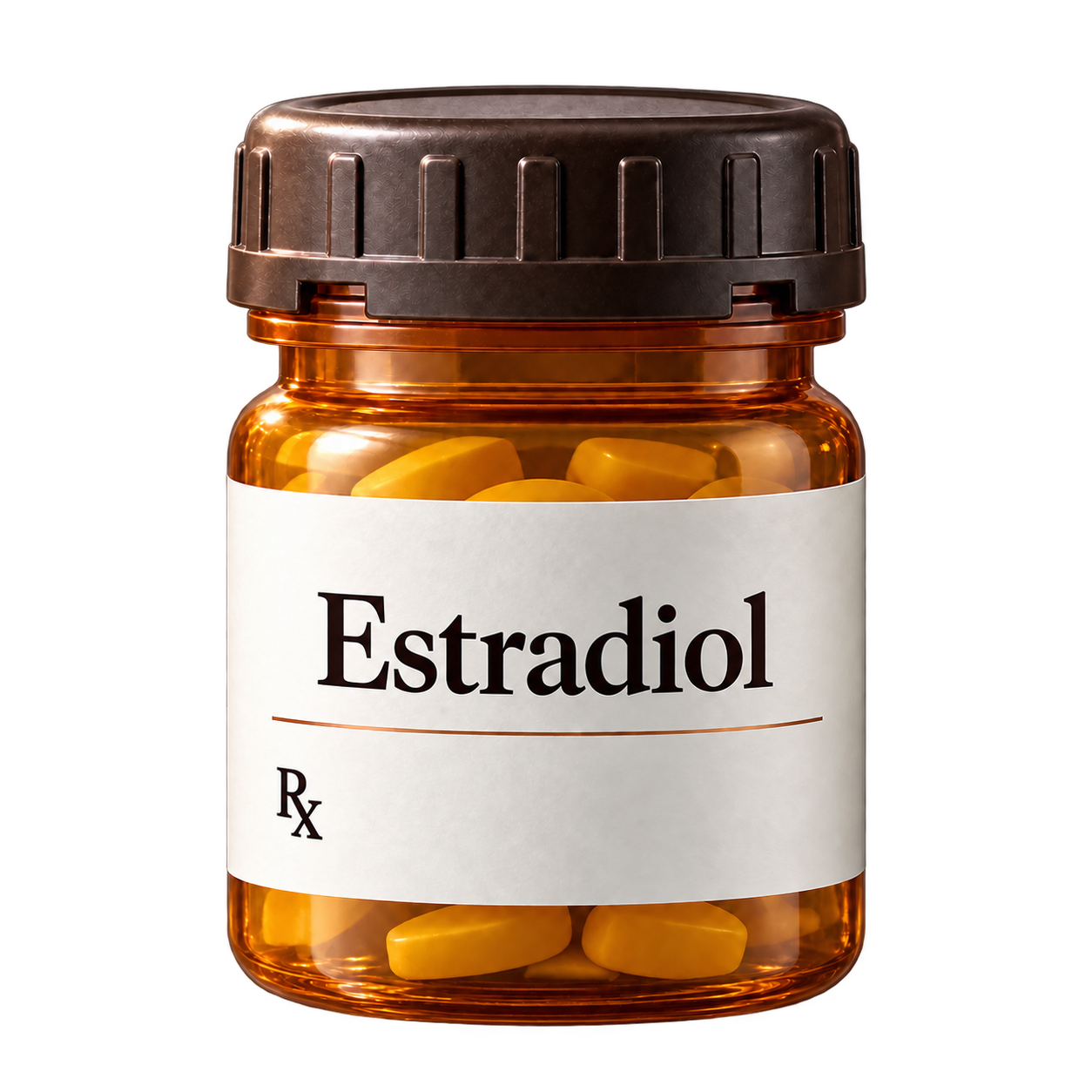
People often search for an estrogen blocker when they want to reduce estrogen related symptoms or risks. The term is broad and can refer to medicines that block estrogen receptors or medicines that lower estrogen production. This page explains what counts as an estrogen blocker, how it differs from estradiol (estrogen therapy), and what to discuss with a clinician. Through Vitals Vault, you can request estradiol care, and a licensed clinician reviews your history to decide what fits and what is safe.
- An estrogen blocker lowers estrogen or blocks its effects, and it is not estradiol.
- In menopause care, estradiol is estrogen replacement, not an estrogen blocker.
- True estrogen blockers are mainly used for estrogen-sensitive cancers.
- Safety screening matters because clot and cancer risks vary by drug.
What an estrogen blocker is
A broad, non-specific term
“Estrogen blocker” is not one single medication. Most often, it refers to either medicines that block estrogen from activating its receptor or medicines that lower how much estrogen your body makes. These are prescription drugs used for specific medical indications.
Receptor blockers (SERMs)
Selective estrogen receptor modulators (SERMs) bind to estrogen receptors and can block estrogen effects in some tissues while acting like estrogen in others. This tissue selective activity is why benefits and risks differ by drug and by person.
Estrogen-lowering drugs (AIs)
Aromatase inhibitors (AIs) lower estrogen levels by inhibiting aromatase, an enzyme involved in estrogen production. They are commonly used in estrogen receptor positive breast cancer care, especially in postmenopausal patients.
Not the same as estradiol
Estradiol is estrogen therapy that replaces estrogen or provides local estrogen effects, depending on the product. It is used for specific menopausal indications and is not an estrogen blocker. Estradiol products include oral tablets, transdermal patches, and vaginal creams or tablets.
How estrogen blockers work in the body
Blocking estrogen signaling
SERMs change how estrogen signals by binding to estrogen receptors. Depending on the tissue, a SERM may reduce estrogen driven growth signals or produce estrogen-like effects. This is why the same drug can have different effects in breast, bone, and uterus.
Lowering estrogen production
Aromatase inhibitors reduce estrogen synthesis by inhibiting the aromatase enzyme. Lower estrogen can be helpful for estrogen driven cancers, but it can also contribute to symptoms like hot flashes and vaginal dryness and may affect bone health.
Replacing estrogen (estradiol)
Estradiol therapy increases estrogen exposure systemically (for example, oral or patch) or locally (for example, some vaginal products). It is used to treat certain menopausal symptoms and carries boxed warnings and other precautions that require individualized risk assessment.
Who an estrogen blocker may be for
Estrogen-sensitive cancers
Estrogen blocking therapies are a core part of treatment for estrogen receptor positive breast cancer. The choice between a SERM and an aromatase inhibitor depends on menopausal status and the clinical plan. Oncology teams guide selection and monitoring.
Risk reduction in select patients
Some estrogen receptor modulators are used to reduce breast cancer risk in selected higher risk patients. This decision weighs potential benefit against risks such as blood clots and uterine effects. It is typically managed by clinicians experienced in risk reduction.
Specialist fertility protocols
Some estrogen modulating medications are used in fertility care depending on the diagnosis and protocol. These uses are individualized and time limited and require clinician oversight. If your goal is fertility, ask a reproductive specialist what is appropriate for you.
Menopause symptoms (often not blockers)
If your goal is relief of menopausal symptoms such as hot flashes or vaginal dryness, treatment is often estrogen therapy (such as estradiol) or nonhormonal options rather than estrogen blockers. Whether estrogen therapy is appropriate depends on your medical history and risk factors.
Who should not take an estrogen blocker or estradiol
Pregnancy
Many estrogen blocking therapies are not appropriate in pregnancy, and some can harm a developing fetus. If pregnancy is possible, discuss contraception and timing with your clinician before starting any hormone active medication. Tell your clinician right away if you become pregnant while on therapy.
History of blood clots
Some estrogen related therapies can increase the risk of blood clots, including deep vein thrombosis and pulmonary embolism. If you have had a clot, stroke, or certain clotting disorders, you need a clinician led risk assessment before any estrogen or estrogen modulating therapy.
Certain cancers or cancer history
If you have a history of breast cancer or other estrogen sensitive cancers, you should not start estradiol without oncology input. In many cases, estrogen blockers are used instead, but the choice is individualized. Share any cancer history before discussing hormone therapy.
Unexplained vaginal bleeding
Unexplained vaginal bleeding needs evaluation before starting systemic estrogen therapy. Estrogen can stimulate the uterine lining, and clinicians may recommend testing to rule out serious causes. New bleeding after menopause should be evaluated promptly.
Important interactions and conditions
Some hormone active medications have clinically important interactions or precautions, including liver related warnings. Bring a complete medication and supplement list to your visit. Your clinician may choose a different option or monitoring plan based on your risks.
What to expect if you are prescribed one
The first visit focuses on safety
Expect questions about your symptoms, menstrual and pregnancy history, cancer history, blood clot history, migraines, smoking, and current medications. Your clinician may also review blood pressure and other cardiovascular risk factors. The goal is to match the therapy to your indication and risk profile.
Monitoring depends on the drug
Estrogen blockers used in cancer care often come with structured follow-up for side effects and adherence. Aromatase inhibitors may prompt attention to bone health, while SERMs may prompt attention to clot risk and uterine symptoms. Your clinician decides what monitoring is appropriate for you.
Estradiol plans are individualized
If you are seeking estrogen therapy, the route matters: oral tablets, patches, and vaginal products are used for different symptom patterns. People with a uterus are often prescribed a progestogen with systemic estrogen to reduce endometrial cancer risk. Your clinician will discuss options and tradeoffs based on labeling and guidelines.
Do not expect interchangeability
A medication used to block estrogen for cancer care is not interchangeable with menopause symptom treatment. If your goal is symptom relief, ask whether you need estrogen replacement, a nonhormonal option, or specialist evaluation. Your clinician can help you avoid mismatched treatment and unnecessary risk.
Side effects and warnings
Hot flashes
Lowering estrogen or blocking its effects can trigger vasomotor symptoms such as hot flashes and night sweats. This is common with SERMs and aromatase inhibitors used in cancer care. Tell your clinician if symptoms affect sleep or daily function because management options exist.
Joint pain
Aromatase inhibitors are commonly associated with joint pain and stiffness. If pain limits activity, your oncology or prescribing clinician can evaluate causes and discuss supportive strategies. Do not stop a prescribed cancer therapy without contacting your care team.
Vaginal dryness
Reduced estrogen signaling can contribute to vaginal dryness, irritation, and painful sex. Some people also notice urinary discomfort. Ask about symptom targeted options that fit your medical history, especially if you have a cancer history.
Blood clots (DVT or PE)
Some estrogen related therapies, including certain SERMs and systemic estrogen products, can increase the risk of blood clots. Get urgent care for leg swelling or pain, chest pain, or sudden shortness of breath. Your clinician will screen for clot history and other risk factors before prescribing.
Stroke or heart attack
Systemic estrogen therapy carries important cardiovascular warnings, and risk varies by individual factors. Seek emergency care for sudden weakness, trouble speaking, or severe chest pain. Discuss your cardiovascular history and risk factors before starting therapy.
Uterine lining changes
Systemic estrogen can stimulate the uterine lining, and certain SERMs can affect the uterus as well. Report any unusual vaginal bleeding promptly, especially after menopause. Your clinician may recommend evaluation or protective therapy depending on your uterus status and medication choice.
Cost and access
What drives cost
Cost depends on the specific medication (SERM, aromatase inhibitor, or estradiol), the formulation and route (tablet, patch, cream), and whether you use insurance. Pharmacy pricing can also vary by generic availability and dispensing channel.
Coverage depends on indication
Insurance coverage varies by plan and by why the medication is prescribed. Cancer related estrogen blocking therapies are often covered under pharmacy benefits, while menopause symptom treatments may have different coverage rules. Prior authorization and step therapy can affect access.
Current prices shown on page
If you are considering estradiol through Vitals Vault, current prices are shown on this page in the price block. Your clinician can also help you choose a route and formulation that matches your symptoms and safety profile.
How to get the right treatment safely
- 1
Clarify your goal
Write down your symptoms, your timeline, and what you hope to change.
- 2
Gather key history
Be ready to discuss blood clots, stroke, cancer history, smoking, migraines, and abnormal bleeding.
- 3
Meet with a clinician
A licensed clinician can confirm whether you need an estrogen blocker, estradiol, or a nonhormonal option.
- 4
Plan follow-up
Report side effects early and keep follow-up appointments so your plan can be adjusted safely.
Frequently Asked Questions
What is an estrogen blocker?
An estrogen blocker is a medication that either blocks estrogen from activating its receptor (such as a SERM) or lowers estrogen production (such as an aromatase inhibitor). These drugs are most commonly used in estrogen sensitive conditions like certain breast cancers. They are different from estradiol, which replaces estrogen.
Is estradiol an estrogen blocker?
No. Estradiol is estrogen therapy that adds estrogen back to the body or provides local estrogen effects, depending on the product. It is used for specific indications and carries important warnings that should be reviewed with a clinician.
Can an estrogen blocker help with menopause symptoms?
Often, menopause symptom treatment uses estrogen therapy or nonhormonal options rather than estrogen blockers. Blocking estrogen can worsen hot flashes and vaginal dryness for many people. A clinician can help match the treatment to your symptoms and medical history.
What are serious side effects to watch for with estrogen related medicines?
Depending on the medication, serious risks can include blood clots, stroke, and cancer related warnings. Seek urgent care for symptoms like chest pain, sudden shortness of breath, or one-sided leg swelling. Report any unusual vaginal bleeding promptly.
How much does an estrogen blocker cost through Vitals Vault?
Costs vary by the specific medication and formulation, and whether insurance is involved. If you are considering estradiol through Vitals Vault, current prices are shown on this page in the price block. A clinician can also discuss options that fit your needs and safety profile.