
How to apply estrogen cream for UTI prevention
Apply vaginal estrogen as your clinician prescribes, using the label method. It can help prevent recurrent UTIs after menopause. Review safety and access.
Key facts
- Estradiol Vaginal Cream is $39.67/month (billed $119 every 84 days), charged only after a clinician approves it.
- Answer a few health questions online. A licensed clinician reviews them. If approved, it ships to your door.
- Adults 18 or older. A licensed clinician reviews your health history and decides whether treatment is appropriate for you. Availability depends on the state you live in.





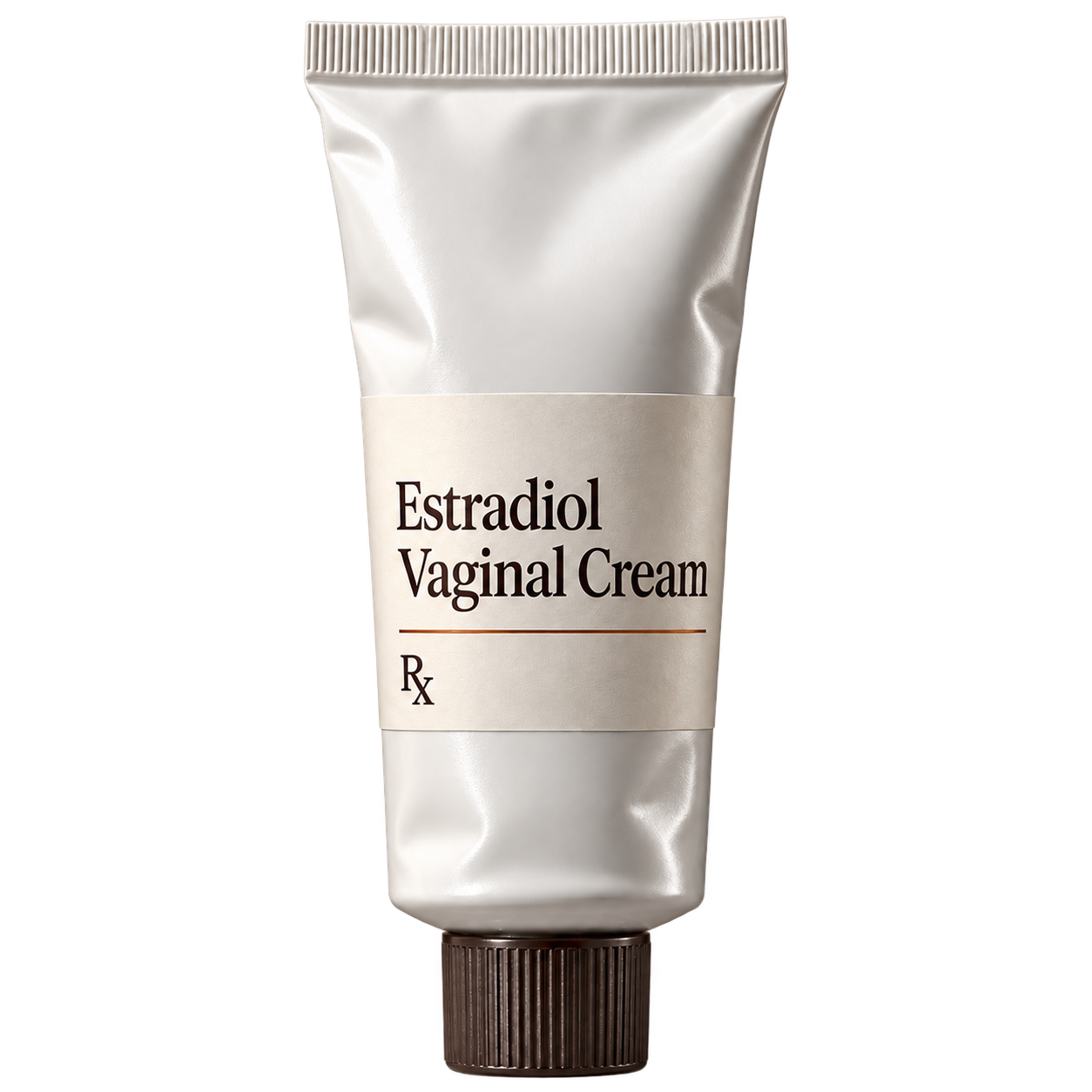
If you are searching “how to apply estrogen cream for uti,” you are usually trying to prevent repeat urinary tract infections after menopause. Vaginal estrogen is different from antibiotics: it helps restore estrogen effects in vaginal and urinary tissues that can change after menopause. This page explains how estrogen cream is typically applied, who it may fit, and what to watch for.
- How to apply estrogen cream for UTI prevention: use the applicator and follow your prescription label exactly.
- Vaginal estrogen can reduce recurrent UTIs in postmenopausal people by improving vaginal and urethral tissues.
- Do not use estrogen if you have certain cancers, unexplained bleeding, or blood clot history without clinician guidance.
- Common effects include local irritation or discharge; urgent symptoms like chest pain need emergency care.
What estrogen cream is (and why it is used for UTIs)
A local estrogen medicine
Vaginal estradiol cream is a prescription estrogen applied inside the vagina using an applicator. It is used for symptoms of menopause that affect the vagina and urinary tract, such as dryness and painful sex. Clinicians also use it to help prevent recurrent UTIs in postmenopausal people.
Not an antibiotic
Estrogen cream does not treat an active bacterial UTI the way antibiotics do. If you have burning with urination, fever, flank pain, or feel acutely ill, you may need evaluation for infection and other causes. Estrogen is typically used as prevention when UTIs keep coming back.
Different from systemic estrogen
Vaginal estrogen is intended to work mainly in local tissues, while oral tablets or patches are systemic hormone therapy. Even with local use, estrogen can still have risks and warnings, so it should be used under clinician supervision. Your clinician can help choose the form that matches your goals and risk factors.
A common menopause strategy
Clinical guidelines for recurrent uncomplicated UTIs in women recommend vaginal estrogen for peri and postmenopausal patients when appropriate. It is often considered when UTIs are frequent and other prevention steps are not enough. Your clinician may also discuss nonhormonal options and UTI prevention habits.
How vaginal estrogen may help prevent recurrent UTIs
Supports healthier tissue
After menopause, lower estrogen can thin and dry vaginal and urethral tissues, which may contribute to irritation and urinary symptoms. Vaginal estrogen can improve tissue thickness and moisture over time. This can make the urinary tract less prone to irritation that can mimic or contribute to UTI symptoms.
Helps normalize vaginal pH
Menopause can raise vaginal pH and change the balance of bacteria in the vagina. Vaginal estrogen can help restore a more acidic vaginal environment. A healthier vaginal environment may reduce the chance of bacteria that commonly cause UTIs becoming dominant.
May reduce UTI recurrence
Evidence and guidelines support vaginal estrogen as a prevention option for recurrent UTIs in postmenopausal women. The goal is fewer infections over time, not immediate symptom relief. If you keep getting UTIs, ask your clinician whether vaginal estrogen is appropriate for your situation.
Who estrogen cream for UTI prevention may be for
Postmenopausal recurrent UTIs
Vaginal estrogen is commonly considered for people who are peri or postmenopausal and have recurrent uncomplicated UTIs. It is especially relevant when symptoms of vulvovaginal atrophy are present, such as dryness, burning, or pain with sex. A clinician can confirm whether your UTI pattern meets the definition of recurrent.
Genitourinary syndrome of menopause
Genitourinary syndrome of menopause (GSM) is the term for vaginal and urinary symptoms related to low estrogen. Symptoms can include dryness, irritation, painful sex, urinary urgency, and recurrent UTIs. Vaginal estrogen is one of the main treatments for GSM.
People avoiding long antibiotics
Some people want to avoid frequent antibiotic courses or long-term antibiotic prevention because of side effects and resistance concerns. Vaginal estrogen can be a nonantibiotic prevention strategy for the right patient. It can also be used alongside other prevention approaches your clinician recommends.
Those who can use estrogen safely
Even though vaginal estrogen is local therapy, it is still estrogen and may not be appropriate for everyone. Your personal history, including cancer history and clot risk, matters. A clinician should review your risks and benefits before you start.
Who should not use estrogen cream without clinician direction
Unexplained vaginal bleeding
Any vaginal bleeding after menopause needs medical evaluation before starting estrogen. Bleeding can have many causes, including conditions that require prompt care. The estradiol label lists undiagnosed abnormal genital bleeding as a contraindication.
Estrogen dependent cancers
Known, suspected, or past breast cancer is listed as a contraindication for estradiol products, and other estrogen dependent tumors may also be a concern. If you have a history of breast cancer or are at high risk, discuss nonhormonal options and specialist input. Do not start estrogen on your own.
Blood clots or stroke history
Estradiol labeling lists active or past deep vein thrombosis, pulmonary embolism, stroke, or heart attack as contraindications. If you have a clotting disorder or strong family history, your clinician may recommend alternatives. Seek urgent care for symptoms of a clot such as sudden shortness of breath or leg swelling.
Liver disease or allergy
Estradiol labeling lists known liver impairment or disease and known hypersensitivity to estradiol or product ingredients as contraindications. If you have significant liver disease or prior allergic reactions to hormone products, tell your clinician. They can help choose a safer option.
Pregnancy
Estradiol products are not indicated in pregnancy. If pregnancy is possible, discuss contraception and timing with your clinician. If you think you may be pregnant, contact a clinician before using estrogen.
What to expect when using estrogen cream for UTIs
How it is applied
Estradiol vaginal cream is applied inside the vagina using the applicator that comes with the product. You fill the applicator to the prescribed dose marking and insert it vaginally, following the Instructions for Use. Your clinician or pharmacist can show you how to use the applicator safely.
How often you use it
Dosing schedules vary by product and by your clinician’s plan, often starting with a more frequent schedule and then moving to maintenance. Follow your prescription label exactly and ask your clinician what to do if you miss a dose. Do not change frequency on your own.
When you might notice changes
Vaginal and urinary tissue changes usually take time, so prevention benefits are not immediate. If you continue to have frequent UTIs, your clinician may reassess the diagnosis, check for contributing factors, or adjust your overall prevention plan. Seek evaluation for any new or worsening urinary symptoms.
What else your clinician may address
Recurrent UTIs can overlap with other issues such as vaginal dryness, pelvic floor problems, bladder pain syndrome, or incomplete bladder emptying. Your clinician may recommend additional steps like hydration habits, avoiding irritants, or targeted evaluation. The best plan depends on why UTIs keep recurring for you.
Side effects and risks of vaginal estradiol
Vaginal irritation or burning
Local irritation, itching, or burning can happen, especially when tissues are very dry. If symptoms are mild, they may improve as tissues heal, but persistent or severe irritation should be discussed with your clinician. New pain, sores, or significant swelling should be evaluated.
Vaginal discharge or spotting
Some people notice discharge or light spotting, particularly early on. Any postmenopausal bleeding should be evaluated to rule out other causes, even if you are using vaginal estrogen. Contact your clinician promptly if bleeding is new, recurrent, or heavy.
Breast tenderness or headache
Although vaginal estrogen is intended to be local, some systemic absorption can occur, and symptoms like breast tenderness or headache are possible. If these symptoms are bothersome or persistent, your clinician may adjust your plan or consider another formulation. Seek care for severe headache with neurologic symptoms.
Blood clots and stroke
Estrogen products carry warnings about blood clots and stroke. Get emergency care for chest pain, sudden shortness of breath, coughing blood, sudden weakness on one side, trouble speaking, or sudden vision changes. Your clinician will consider your clot and cardiovascular risk before prescribing.
Endometrial cancer risk
In people with a uterus, estrogen therapy can increase the risk of endometrial cancer if the lining is stimulated without appropriate medical oversight. Report any unusual vaginal bleeding right away, especially after menopause. Your clinician may recommend monitoring or additional therapy depending on your situation.
Breast cancer warning
Estrogen therapy carries warnings about breast cancer risk, and estradiol products list known or suspected breast cancer as a contraindication. If you have a personal history of breast cancer, discuss risks and alternatives with your oncology or menopause care team. Report new breast lumps or changes promptly.
Cost and access: what affects what you pay
Form and dose affect cost
Estradiol comes in multiple forms, including vaginal cream, tablets, rings, patches, and oral tablets. The specific product, strength, and how often it is used can change overall cost. Your clinician can help match the form to your symptoms and risk profile.
Insurance coverage varies
Coverage for vaginal estrogen differs by plan and by the exact product on your prescription. Some plans cover certain generics or require prior authorization. If cost is a barrier, ask your clinician about alternative formulations that may be covered.
Pharmacy and availability
Prices and availability can vary by pharmacy and by supply. If you are using a telehealth plan, the dispensing pathway can also affect what you pay and how quickly you receive medication. Current prices, when available, are shown on this page in the price block.
Visits and follow-up
Your total cost may include clinician visits and follow-up, especially if you need evaluation for bleeding, recurrent UTIs, or other symptoms. Ongoing monitoring can be part of safe hormone care. Ask what follow-up is recommended for your situation.
How to get estrogen cream for UTI prevention safely
- 1
Document your symptoms and UTI history
Bring dates of UTIs, urine culture results if you have them, and any menopause symptoms like dryness or burning.
- 2
Meet with a licensed clinician
A clinician reviews your health history, cancer and clot risks, and whether vaginal estrogen is appropriate.
- 3
Confirm the product and instructions
Use the exact estradiol cream and applicator instructions provided with your prescription and ask your pharmacist to demonstrate use.
- 4
Follow up if UTIs continue
If infections keep recurring, your clinician may reassess causes, test for other conditions, or adjust your prevention plan.
Frequently Asked Questions
How to apply estrogen cream for uti prevention?
Use the applicator that comes with your estradiol vaginal cream and follow your prescription label and the product Instructions for Use. Your pharmacist or prescribing clinician can show you how to use the applicator. Do not change the dose or schedule without clinician guidance.
Does vaginal estrogen treat an active UTI?
No. Vaginal estrogen is used to help prevent recurrent UTIs in peri and postmenopausal people, but it does not treat an active infection. If you have UTI symptoms, you may need evaluation and possibly antibiotics.
How long does it take for estrogen cream to help with recurrent UTIs?
Vaginal estrogen works by gradually improving vaginal and urethral tissues, so benefits are not immediate. If UTIs continue, your clinician may reassess the diagnosis and prevention plan. Seek care right away for fever, flank pain, or severe illness.
Is vaginal estrogen safe if I have a history of blood clots or breast cancer?
Estradiol products list certain conditions, including known or suspected breast cancer and a history of blood clots, as contraindications. If you have these risks, you should only consider estrogen with specialist guidance, and nonhormonal options may be preferred. Do not start estrogen on your own.
Can Vitals Vault help me get estradiol for UTI prevention?
Vitals Vault can connect you with a licensed clinician who reviews your health history and decides whether estradiol is appropriate for you. Treatment plans include clinician consults and ongoing support. Availability depends on the state you live in.