
Best estrogen face cream: what to know first
The best estrogen face cream depends on your risks and goals. Here is what topical estrogen is and the key safety warnings.
Key facts
- Estradiol Oral Capsules is $66.34/month (billed $199 every 90 days), charged only after a clinician approves it.
- Answer a few health questions online. A licensed clinician reviews them. If approved, it ships to your door.
- Adults 18 or older. A licensed clinician reviews your health history and decides whether treatment is appropriate for you. Availability depends on the state you live in.





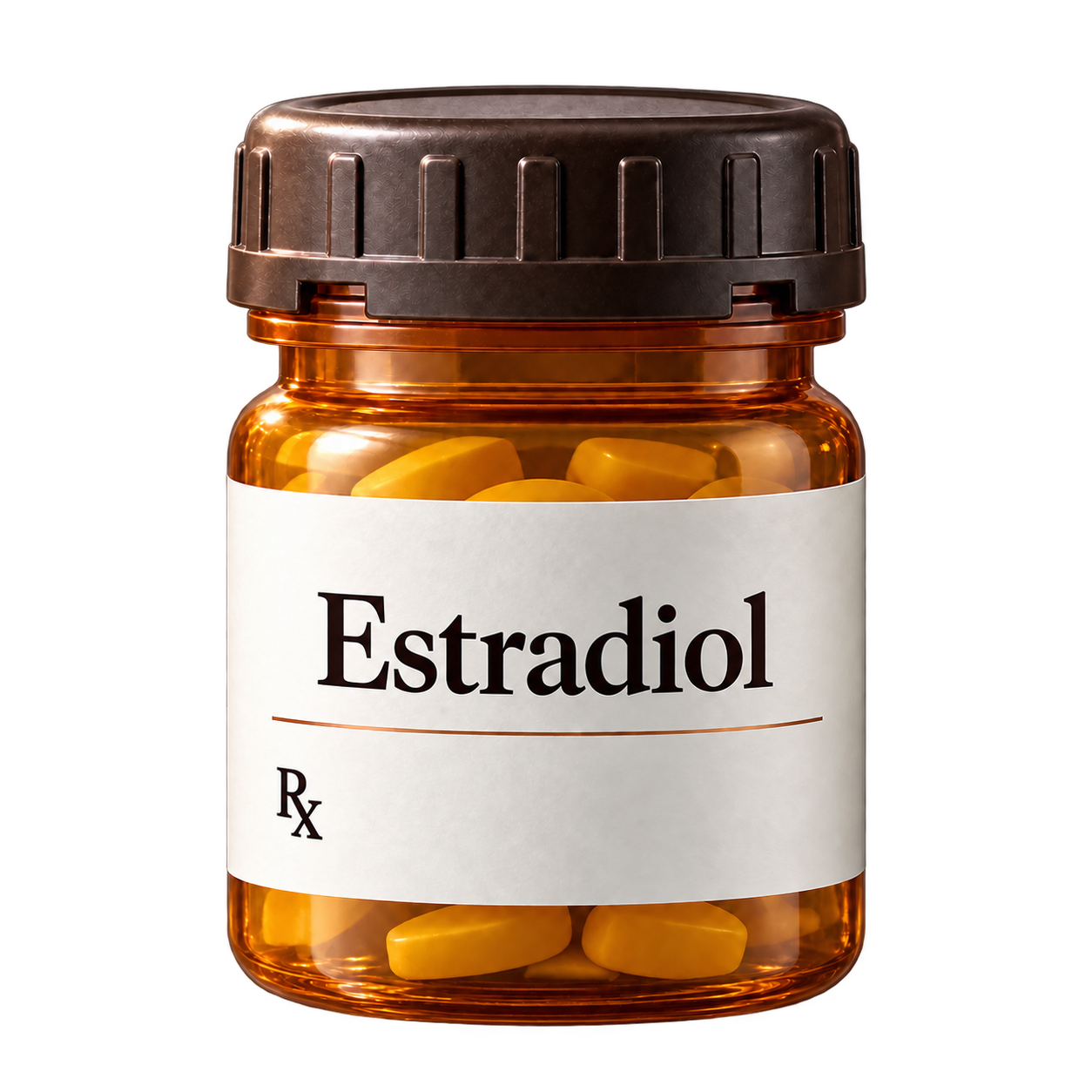
Searching for the best estrogen face cream often means you are noticing dryness, thinning skin, or changes around menopause. The key issue is safety: prescription estrogens have boxed warnings, and many “face” uses are not FDA approved. This guide explains what estrogen creams are, what evidence and labeling do and do not support for facial use, and what to discuss with a clinician.
- The best estrogen face cream is the one a clinician deems safe for you, because estrogen has boxed warnings.
- Most prescription estrogen creams are approved for menopausal genitourinary symptoms, not facial aging.
- Even “topical” estrogen can be absorbed and may carry systemic risks, depending on product and use.
- Avoid compounded “bioidentical” estrogen claims unless a clinician recommends it for a specific reason.
- If you have abnormal bleeding, a clot history, or estrogen sensitive cancer, ask a clinician before any estrogen.
What “estrogen face cream” usually means
Prescription estrogen creams
In the US, prescription estrogen creams are typically formulated for vulvovaginal and urinary symptoms of menopause, not for cosmetic facial use. Examples include estradiol or conjugated estrogens products with FDA approved labeling for genitourinary syndrome of menopause (GSM). Using them on facial skin is a separate question to discuss with a clinician.
Estradiol is a form of estrogen
Estradiol is the main estrogen your ovaries make before menopause. Prescription estradiol exists in multiple forms, including vaginal cream, transdermal patches, and oral tablets. Each form has different absorption and risk considerations, which is why “best” depends on your medical history.
Cosmetic products marketed as estrogen
Some over the counter products are marketed with “phytoestrogens” (plant compounds) or “estrogen like” ingredients. These are not the same as prescription estrogen, and they do not have FDA drug labeling for menopause symptoms or skin aging. Claims and ingredient quality can vary widely.
Compounded “bioidentical” creams
Compounded estrogen creams are custom prepared by a pharmacy for an individual prescription and are not FDA approved. Some are marketed for facial aging or “hormone balancing,” but the safety, potency consistency, and evidence base can differ from FDA approved products. If you are considering compounded estrogen, ask what problem it is meant to treat and why an FDA approved option is not suitable.
How estrogen could affect facial skin
Estrogen supports skin structure
Estrogen influences collagen, skin thickness, hydration, and wound healing. After menopause, lower estrogen is associated with changes such as increased dryness and reduced elasticity. This is one reason some people look for estrogen based approaches for facial skin concerns.
Local effects versus systemic absorption
A cream applied to skin can still be absorbed into the bloodstream, depending on the product, dose, and where it is applied. Systemic exposure matters because estrogen’s major risks are systemic, including blood clots and certain cancers. FDA labels for estrogen products describe these risks even when the product is used locally for menopause symptoms.
Why route matters
Oral estrogen, transdermal estrogen (patch), and vaginal estrogen can produce different blood levels and may have different risk profiles for some outcomes. A clinician may choose a route based on symptoms, uterus status, and personal risk factors rather than cosmetic goals alone.
Evidence is mixed for cosmetic outcomes
Small studies have explored topical estrogen for skin aging measures, but results are not consistent enough to treat it as a standard, FDA approved cosmetic therapy. If your primary goal is facial aging, a clinician may discuss non hormone options with stronger evidence and fewer systemic risks.
Who may consider estrogen therapy when facial changes are part of the picture
Menopause symptoms with skin changes
If you have menopause symptoms such as hot flashes, night sweats, sleep disruption, or genitourinary symptoms along with skin dryness or thinning, a clinician may evaluate whether hormone therapy is appropriate overall. In that context, skin changes are usually not the only reason to use estrogen.
Genitourinary syndrome of menopause
For vaginal dryness, pain with sex, and some urinary symptoms related to menopause, low dose vaginal estrogen products are FDA approved options. If you are searching for “estrogen face cream” but your main issue is vaginal or urinary symptoms, you may be looking for a vaginal estrogen product rather than a facial cream.
People who want clinician oversight
Because estrogen has important contraindications and warnings, it is safest to use it only after a clinician reviews your personal and family history, current medications, and whether you have a uterus. Monitoring and follow up matter, especially if symptoms change or bleeding occurs.
Those avoiding unverified products
If you are seeing “estrogen” marketed in cosmetic products online, a clinician can help you separate prescription therapy from cosmetic claims. This can reduce the chance of using a product with unclear ingredients, dosing, or safety information.
Who should not use estrogen without clinician guidance
Estrogen dependent cancers
If you have breast cancer or other estrogen dependent cancers, estrogen therapy may be contraindicated or require specialist input. Labels for systemic estrogens list known, suspected, or history of breast cancer as a contraindication. If you are a survivor or high risk, discuss non hormone options first.
Blood clots or stroke history
Estrogen therapy can increase the risk of venous thromboembolism (blood clots) and stroke, and many estrogen products list active or past clotting events as contraindications. If you have a personal history of clots, clotting disorders, or stroke, do not self start estrogen.
Unexplained vaginal bleeding
Unusual or unexplained vaginal bleeding needs medical evaluation before estrogen use. Estrogen can stimulate the uterine lining, and postmenopausal bleeding can be a sign of endometrial problems that should be checked promptly.
Pregnancy
Estrogen products are not intended for use in pregnancy. If pregnancy is possible, discuss contraception and safer skin options. If you think you may be pregnant, contact a clinician before using any estrogen product.
Liver disease or severe reactions
Some estrogen products list liver dysfunction or disease as a contraindication, and prior serious allergic reactions to estrogen products can also be a reason to avoid them. A clinician can help determine whether an alternative route or non hormone option is safer.
What to expect if a clinician recommends estrogen
A goal based plan
A clinician typically starts by clarifying the main goal: menopause symptom relief, genitourinary symptoms, or another medical indication. If facial skin changes are your main concern, expect a discussion about whether estrogen is appropriate at all and what alternatives exist.
Route and uterus status matter
If you have a uterus, systemic estrogen is generally paired with a progestogen to reduce the risk of endometrial hyperplasia and cancer, per labeling and guideline based practice. Vaginal estrogen for GSM may be handled differently depending on dose and product. Your clinician will tailor the approach to your situation.
Monitoring and follow up
Expect periodic check ins to review symptom response, side effects, and any new risk factors. New vaginal bleeding, chest pain, shortness of breath, severe headache, vision changes, or leg swelling should be treated as urgent symptoms and evaluated right away.
Skin outcomes are not guaranteed
Even when estrogen is appropriate for menopause symptoms, changes in facial skin are variable. A clinician may recommend evidence based skin care such as sunscreen, moisturizers, topical retinoids when appropriate, or dermatology evaluation rather than relying on estrogen for cosmetic results.
Side effects and key safety warnings
Breast tenderness and nausea
Breast tenderness, nausea, and headache are commonly reported with estrogen therapy, especially with systemic forms. If these occur, a clinician may reassess the route, dose, or whether estrogen is still appropriate. Seek urgent care for severe headache with neurologic symptoms or chest pain.
Vaginal bleeding or spotting
Unexpected bleeding can occur with estrogen, particularly early in therapy or if the uterine lining is being stimulated. Postmenopausal bleeding should always be evaluated to rule out endometrial pathology. Do not ignore new bleeding even if you are using a cream.
Blood clots and stroke
Systemic estrogen therapy is associated with increased risk of venous thromboembolism and stroke, and these risks are highlighted in boxed warnings for estrogens. Symptoms such as sudden shortness of breath, chest pain, one sided weakness, or sudden vision changes require emergency evaluation.
Heart attack risk in some groups
Estrogen therapy carries warnings about cardiovascular risks, particularly when used for prevention rather than symptom treatment and in older postmenopausal populations studied in large trials. Your clinician will weigh your age, time since menopause, blood pressure, lipids, diabetes, and smoking status.
Breast and endometrial cancer risks
Estrogen therapy has boxed warnings related to endometrial cancer risk with unopposed estrogen in people with a uterus and warnings about breast cancer risk with certain hormone therapy regimens. Screening and prompt evaluation of abnormal bleeding or breast changes are part of safer use.
Skin irritation where applied
Any cream applied to skin can cause local irritation, redness, or rash, especially on facial skin. If you develop swelling, hives, or trouble breathing, treat it as a possible allergic reaction and seek urgent care. A clinician can help determine whether the reaction is to estrogen or an inactive ingredient.
Cost and access: what drives the price
Form and route
Costs can differ between oral tablets, transdermal patches, and creams. The route also affects how often you need refills and what monitoring your clinician recommends. The price block on this page shows current prices for the product linked to this guide.
Generic versus brand
FDA approved generics may cost less than brand name products, but availability can vary by pharmacy and region. If you are offered a compounded product, remember it is not FDA approved and pricing is set by the compounding pharmacy rather than a standard generic market.
Insurance coverage
Coverage depends on your plan, the product, and the diagnosis code used. Some plans cover vaginal estrogen for GSM more readily than systemic therapy, and some require prior authorization. If coverage is denied, your clinician may discuss alternatives or an appeal.
Clinician visits and follow up
Total cost is not just the medication. Follow up visits, recommended screening, and any labs your clinician requests can affect what you pay over time. Ask what follow up is typically needed for your situation.
How to get estrogen safely
- 1
Clarify your main goal
Write down your symptoms and what you mean by “estrogen face cream,” including any menopause symptoms.
- 2
Review risks with a clinician
A licensed clinician reviews your history, medications, and contraindications before recommending estrogen.
- 3
Choose an FDA approved option when possible
If estrogen is appropriate, ask about FDA approved products and the route that best matches your needs.
- 4
Plan follow up and what to watch for
Confirm when to check in and which symptoms require urgent evaluation, especially bleeding or clot symptoms.
Frequently Asked Questions
What is the best estrogen face cream?
There is not one “best estrogen face cream” for everyone because estrogen products have important contraindications and boxed warnings. The safest choice is the product and route a clinician recommends after reviewing your risks, symptoms, and whether you have a uterus.
Is estrogen face cream FDA approved for wrinkles?
Prescription estrogen products are FDA approved for specific medical indications such as menopausal symptoms and genitourinary syndrome of menopause, not for facial wrinkles. Using estrogen on the face is typically an off label decision that should be discussed with a clinician.
Can estrogen cream for face be absorbed into your body?
Yes. Estrogen can be absorbed through skin or mucosa, and FDA labeling for estrogen products addresses systemic risks even when products are used locally. Absorption depends on the product, how it is used, and individual factors.
How much does estrogen face cream cost?
Cost depends on the specific product, route (cream, patch, or tablet), whether it is generic or brand, and your insurance coverage. When available, current prices are shown on this page in the catalog price block rather than in the article text.
Is compounded “bioidentical” estrogen face cream safer?
Compounded estrogen products are not FDA approved, and their potency and quality controls can differ from FDA approved products. Whether a compounded option is appropriate depends on your medical situation and should be decided with a licensed clinician.