
Low estrogen face: what it means and what helps
Low estrogen face changes can include drier, thinner skin and facial volume changes, often around menopause. Here is what to check.
Key facts
- Answer a few health questions online. A licensed clinician reviews them. If approved, it ships to your door.
- Adults 18 or older. A licensed clinician reviews your health history and decides whether treatment is appropriate for you. Availability depends on the state you live in.





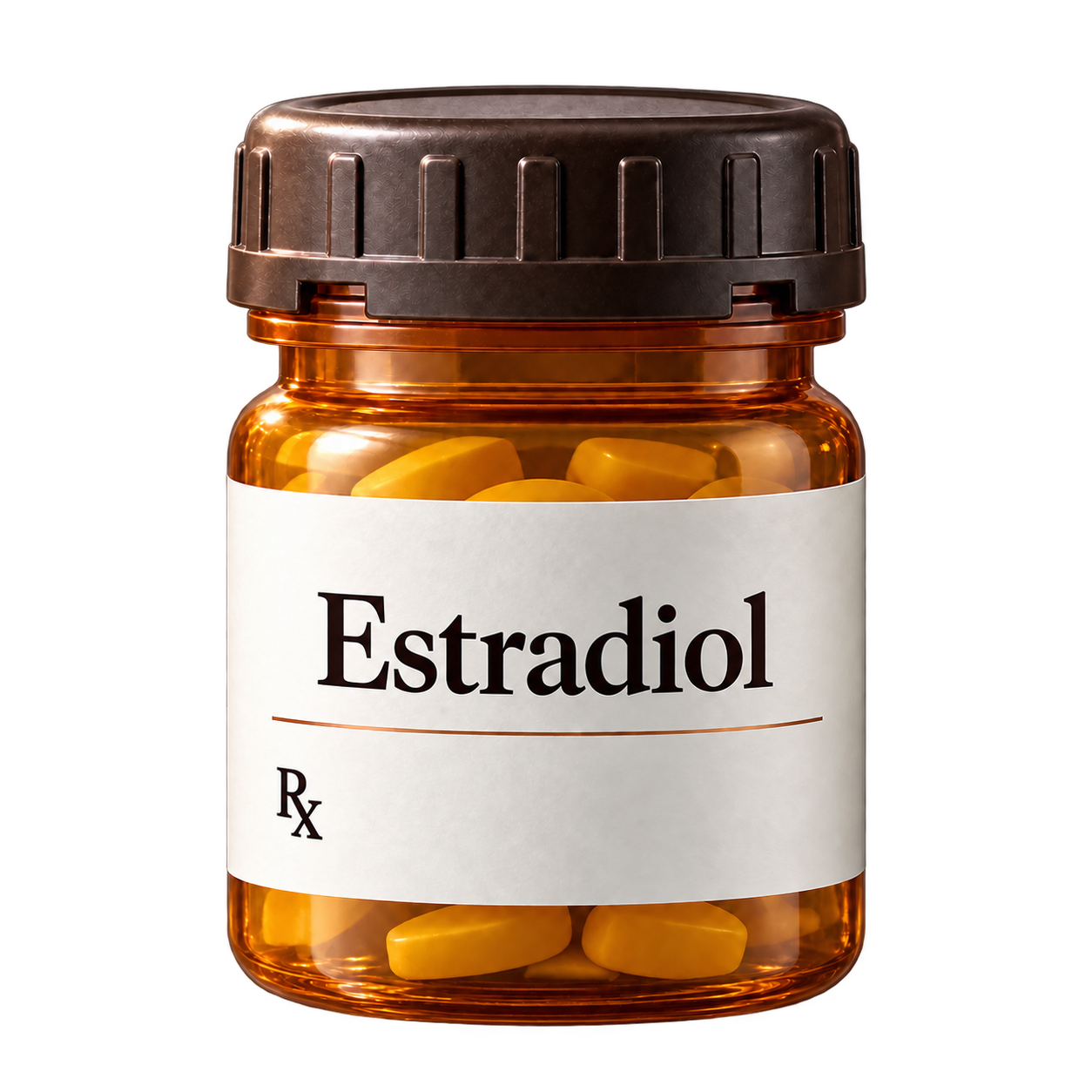
“Low estrogen face” is a shorthand people use for facial changes that can happen when estrogen levels fall, especially in the menopause transition. Common concerns include drier skin, more fine lines, and a “deflated” look that seems to show up quickly. This page explains what low estrogen can and cannot explain, what else to rule out, and what to discuss with a clinician. If you want to organize symptoms, labs, and questions for a visit, Vitals Vault can help you keep everything in one place.
- Low estrogen face can mean drier, thinner skin and faster-looking facial volume changes, often around menopause.
- Estrogen is linked to skin collagen, thickness, and hydration, so lower levels can affect texture and elasticity.
- Sun damage, thyroid disease, nutrition issues, and skincare irritation can mimic the same changes.
- Systemic estrogen therapy is not used only for cosmetic goals and has important risks.
What does “low estrogen face” mean?
Drier, more sensitive skin
Lower estrogen can be associated with reduced skin hydration and barrier function, which may show up as dryness, flaking, or irritation. You might notice products sting more than they used to. This can overlap with rosacea, eczema, or contact dermatitis, so pattern and triggers matter.
More fine lines and crepiness
Estrogen is linked to collagen content and skin thickness. When estrogen drops, skin can become thinner and less elastic, which can make fine lines and a crepey texture more visible. Sun exposure and smoking can amplify the same changes.
Faster-looking volume changes
People often describe “hollowing” or a less full look in the cheeks or around the eyes. Hormonal shifts can contribute through changes in skin structure and water content, but facial fat distribution and overall weight changes also play a role. A clinician can help separate hormonal from nonhormonal drivers.
Why estrogen affects your face (and what else can mimic it)
Estrogen and collagen
Research in menopausal skin links estrogen with collagen content and skin thickness. After menopause, collagen content declines over time, which can affect firmness and wrinkling. This is one reason facial changes can feel more abrupt during the menopause transition.
Estrogen and skin moisture
Estrogen influences skin hydration and the skin barrier. With lower estrogen, dryness and irritation can become more noticeable, especially if you already have sensitive skin. Gentle cleansing, fragrance-free moisturizers, and sun protection can help regardless of the cause.
Not all facial aging is hormonal
Photoaging from ultraviolet exposure is a major driver of wrinkles, uneven tone, and texture changes. Stress, sleep disruption, and alcohol can also affect puffiness and skin quality. If changes are mostly pigment and roughness, sun damage may be the bigger contributor than estrogen.
Medical look-alikes to consider
Thyroid disease, iron deficiency, low protein intake, and some medications can change skin texture, hair, and facial appearance. If you also have fatigue, hair shedding, constipation, heavy bleeding, or unexplained weight change, ask about broader evaluation rather than assuming estrogen is the only factor.
Where estradiol treatment fits
Estradiol is an FDA-approved estrogen used for specific menopausal indications, and it comes in multiple forms (for example oral tablets and transdermal systems). Systemic estrogen therapy has important risks and is not used solely to treat facial appearance. Decisions about hormone therapy should be individualized and based on symptoms, health history, and risk factors.
| What you notice | Possible contributors | What to discuss with a clinician |
|---|---|---|
| New dryness or irritation | Lower estrogen, dermatitis, rosacea, harsh skincare | Skin exam, trigger review, whether menopause symptoms are present |
| More fine lines, crepey texture | Lower estrogen, sun damage, smoking, low moisture | Sun protection plan, topical options, whether systemic symptoms suggest menopause transition |
| “Deflated” or hollow look | Normal aging, weight change, sleep, stress, hormonal shifts | Timeline of changes, weight pattern, medication review, whether labs are appropriate |
| Also hot flashes or night sweats | Perimenopause or menopause transition | Symptom-based menopause evaluation and treatment options, including risks and benefits |
| Also hair shedding or eyebrow thinning | Thyroid disease, iron deficiency, androgen changes, stress | Thyroid and iron evaluation when appropriate; broader hormone discussion if indicated |
When to talk to a clinician
Symptoms beyond skin
If facial changes come with hot flashes, night sweats, sleep disruption, mood changes, vaginal dryness, or painful sex, ask whether you are in perimenopause or menopause. Menopause care is usually symptom-driven, not based on a single hormone number. A clinician can match symptoms, age, and history to options.
Sudden or severe changes
Seek urgent care for facial droop, trouble speaking, one-sided weakness, severe headache, or chest pain. These are not “low estrogen face” symptoms and need immediate evaluation. Also get prompt care for rapidly spreading rash, facial swelling, or trouble breathing.
Bleeding changes
Unexplained vaginal bleeding, bleeding after menopause, or very heavy bleeding should be evaluated. Hormone therapy decisions depend on understanding bleeding patterns and ruling out other causes. Bring a timeline of symptoms and any medications or supplements you take.
You are considering hormones
If you are thinking about estradiol or other hormone therapy, discuss your personal risks and whether you need a progestogen to protect the uterus. Ask what follow-up and monitoring are recommended for your situation. The goal is to balance symptom relief with safety.
Pro tips for a more useful visit
Bring a symptom timeline
Note when facial changes started and any cycle, sleep, or hot flash changes.
List products and triggers
Include new skincare, retinoids, acids, fragrance, and sun exposure patterns.
Ask what labs can tell
Hormone levels fluctuate; labs may support, not replace, a clinical assessment.
Review your risk factors
History of clots, stroke, cancer, migraines, and smoking affects hormone options.
Avoid self-treating hormones
Estrogen products have real risks and should be clinician-directed.
Frequently Asked Questions
What does low estrogen face look like?
People usually mean drier skin, more fine lines, and reduced elasticity or firmness that feels like it changed quickly. These changes can overlap with normal aging and sun damage, so the timing with other menopause symptoms matters. A clinician can help rule out medical look-alikes.
Can low estrogen cause facial aging?
Lower estrogen is associated with changes in skin collagen and thickness after menopause, which can affect firmness and wrinkling over time. It is rarely the only factor, since sun exposure, smoking, and genetics also strongly influence facial aging. Discuss the full picture rather than focusing on one hormone level.
Does estrogen therapy help low estrogen face?
Systemic estrogen therapy is FDA-approved for specific menopausal indications, not for cosmetic facial goals. It may affect skin changes for some people, but it also carries important risks and is not appropriate for everyone. A clinician can weigh benefits and risks based on your history and symptoms.
Should I get hormone labs for low estrogen face?
Labs can sometimes add context, but menopause care is often symptom-driven because hormone levels can fluctuate. If you also have hot flashes, sleep disruption, or cycle changes, talk with a clinician about whether testing is useful for you. Do not use lab results to self-treat with hormones.
What else can cause a “low estrogen” look in the face?
Thyroid disease, iron deficiency, undernutrition, stress, sleep loss, and some medications can affect skin texture, puffiness, and hair. Sun damage can also mimic or worsen the same concerns. If changes are sudden or you have other systemic symptoms, get evaluated rather than assuming estrogen is the cause.