
How to use tretinoin safely and correctly
How to use tretinoin: apply a thin layer to clean, dry skin once daily at bedtime unless directed otherwise. Expect early irritation and protect your skin.
Key facts
- Tretinoin + Niacinamide is $43/month (billed $129 every 90 days), charged only after a clinician approves it.
- Answer a few health questions online. A licensed clinician reviews them. If approved, it ships to your door.
- Adults 18 or older. A licensed clinician reviews your health history and decides whether treatment is appropriate for you. Availability depends on the state you live in.


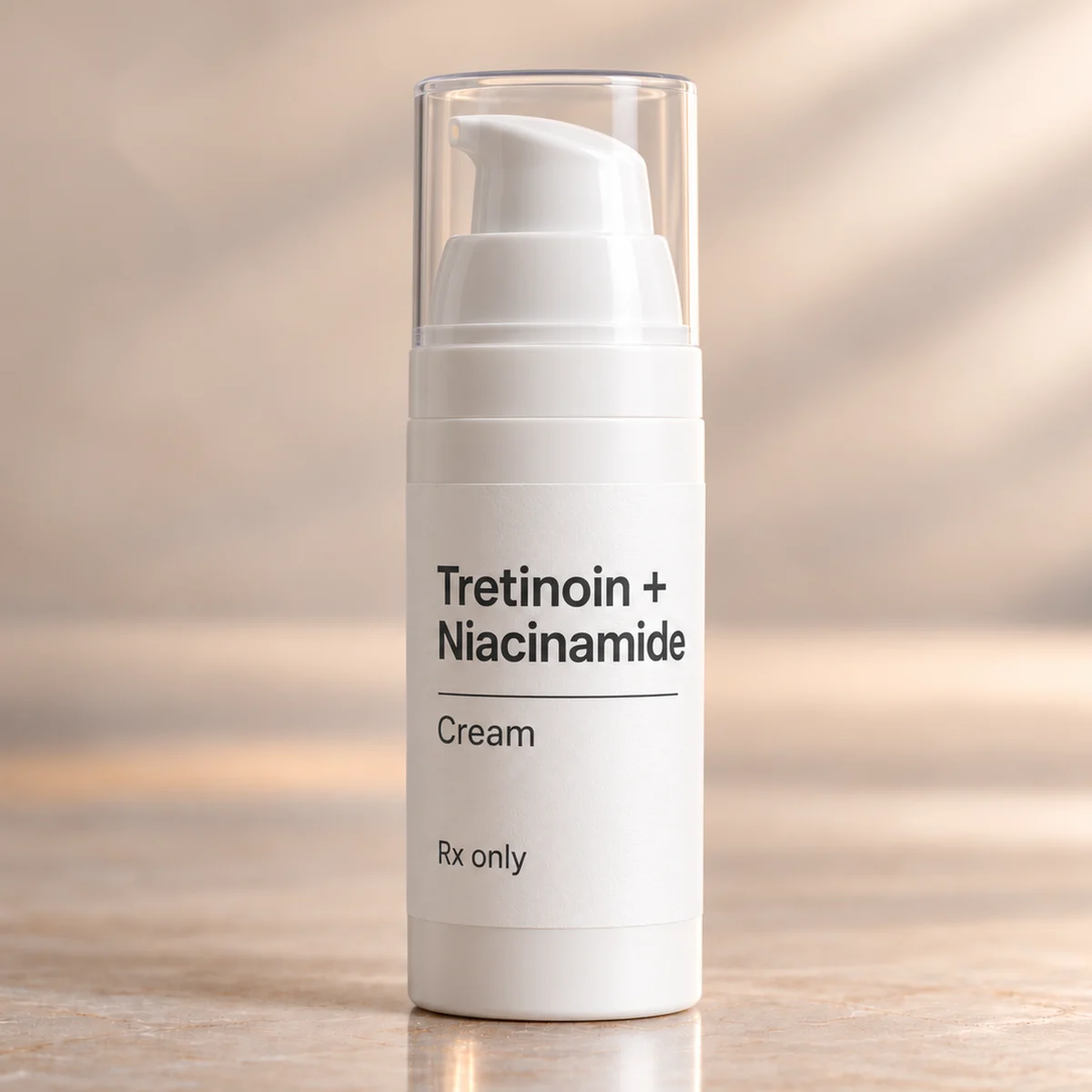
Tretinoin is a prescription topical retinoid used most often for acne and, in some products, for certain signs of sun damage. Using it correctly matters because irritation is common at the start, and sun sensitivity can increase. This guide explains practical, label based basics for applying tretinoin and what to expect. If you are considering a compounded tretinoin with niacinamide plan through Vitals Vault, a licensed clinician reviews your history and helps tailor safe use.
- How to use tretinoin: apply a thin layer to clean, dry skin at bedtime, as prescribed.
- Start slowly if advised, and use moisturizer and sunscreen to reduce irritation.
- Peeling, redness, and dryness are common early; severe swelling or blistering needs medical advice.
- Avoid use in pregnancy, and discuss plans to become pregnant with your clinician.
What tretinoin is
A topical retinoid
Tretinoin is a vitamin A derivative applied to the skin. It is available in different topical forms (such as creams, gels, and lotions) and strengths depending on the product and indication.
Used for acne and photoaging
Some tretinoin products are FDA approved for acne vulgaris. A specific tretinoin cream is also FDA approved to help with fine wrinkles, mottled hyperpigmentation, and roughness from sun damage as part of a broader skin care and sun avoidance program.
Compounded combinations exist
Some prescriptions combine tretinoin with other ingredients, such as niacinamide, to meet individual needs. Compounded medications are prepared by a licensed pharmacy for an individual prescription and are not FDA approved.
- Route
- Topical (applied to the skin)
- Common use
- Acne vulgaris (FDA approved for multiple topical products)
- Sun damage indication
- Fine wrinkles and mottled hyperpigmentation with a specific cream, alongside sun avoidance
How tretinoin works on your skin
Normalizes skin cell turnover
Tretinoin affects how skin cells grow and shed. For acne, this helps keep pores from getting clogged and can reduce comedones (blackheads and whiteheads) over time.
Reduces inflammation signals
Retinoids can influence inflammatory pathways in the skin. This may help calm acne related inflammation, but irritation from the medication itself can still happen early.
Supports collagen changes with sun care
For photoaging, tretinoin is used as part of a program that includes sun avoidance and skin care. Improvements in texture and pigmentation are gradual and depend on consistent use and sun protection.
Who tretinoin is for
People with acne
Topical tretinoin is commonly prescribed for acne vulgaris, especially when clogged pores are a major feature. Your clinician may consider it alone or as part of a broader acne plan.
People treating sun damage
A specific tretinoin cream is indicated for fine wrinkles, mottled hyperpigmentation, and roughness from sun exposure, used with a comprehensive skin care and sun avoidance program.
People who can commit to sun protection
Because tretinoin can increase sensitivity to sunlight, it fits best when you can use daily broad spectrum sunscreen and limit sun exposure. This is important for both safety and results.
People who want clinician guidance
If you have sensitive skin, eczema, rosacea, or you use other potentially irritating products, you may benefit from a plan that includes guidance on pacing, moisturizers, and what to avoid.
Who should not use tretinoin, or should use extra caution
Pregnancy
Topical tretinoin products list pregnancy related precautions, and retinoids as a class are avoided in pregnancy. If you are pregnant, trying to become pregnant, or could become pregnant, discuss risks and alternatives with your clinician.
Allergy to ingredients
Do not use tretinoin if you have had an allergic reaction to tretinoin or any ingredient in the product. Seek urgent care for signs of a severe allergic reaction such as trouble breathing or swelling of the face, lips, tongue, or throat.
Severely irritated or sunburned skin
Avoid applying tretinoin to sunburned, windburned, or otherwise broken or very irritated skin. Your clinician may advise waiting until the skin barrier recovers to reduce the risk of severe irritation.
Use with other irritants
Using tretinoin with harsh cleansers, astringents, exfoliants, or other irritating acne products can increase redness and peeling. Your clinician or pharmacist can help you build a routine that limits overlap.
What to expect when you start tretinoin
Early irritation is common
Dryness, redness, peeling, and a burning or stinging feeling can occur, especially in the first weeks. This does not always mean the medication is not working, but it may mean your skin needs a slower ramp or more barrier support.
Acne can look worse first
Some people notice an early flare as clogged pores surface. If breakouts become severe, painful, or you develop significant swelling or blistering, contact your prescribing clinician.
Results take time
Tretinoin works gradually. For acne, improvement is typically assessed over weeks, not days. For sun damage, changes in texture and pigmentation also develop slowly and depend on consistent use and sun avoidance.
Sun sensitivity increases
Tretinoin can make you more sensitive to sunlight. Daily sunscreen and limiting sun exposure are part of safe use, and are specifically emphasized in product labeling for photoaging.
Side effects and warnings
Dryness and peeling
Dry, flaky skin is one of the most common effects of topical tretinoin. Using a gentle cleanser, applying moisturizer, and avoiding other irritating products can help. If peeling becomes severe or painful, contact your clinician.
Redness, burning, or stinging
Mild to moderate redness or a burning sensation can occur, especially early in treatment. This is more likely if you apply too much, apply to damp skin, or combine with other irritants. Persistent or intense symptoms should be reviewed by your clinician.
Itching or skin irritation
Itching, irritation, or a rash can happen at the application site. Sometimes this improves as your skin adapts, but worsening irritation may require changes in frequency, product choice, or supportive skin care under clinician guidance.
Severe irritation or blistering
Severe redness, swelling, blistering, or crusting can signal an excessive irritant reaction. Stop applying the product and contact your prescribing clinician promptly for next steps and to rule out an allergic reaction or chemical burn.
Allergic reaction
Although uncommon, allergic reactions can occur. Get urgent medical help for hives, trouble breathing, or swelling of the face, lips, tongue, or throat.
Cost and access
What drives the cost
Your cost depends on the formulation (FDA approved product versus compounded combination), strength, quantity, and how it is dispensed. Insurance coverage varies widely for acne versus cosmetic or photoaging indications.
Insurance and prior authorization
Some plans cover certain tretinoin products for acne but may require prior authorization or step therapy. For photoaging, coverage is often more limited because it may be treated as cosmetic by some insurers.
Where to see current pricing
If current prices are available for your plan, they are shown on this page in the price block. A clinician can also help you understand what you are being prescribed and why.
How to get tretinoin with clinician guidance
- 1
Complete an intake
Share your skin goals, current routine, and medical history, including pregnancy status and sensitivities.
- 2
Clinician review
A licensed clinician reviews your information and decides whether tretinoin is appropriate for you.
- 3
Get a personalized plan
If prescribed, you receive guidance on how to use it, what to avoid, and how to manage irritation.
- 4
Follow up as needed
Check in if you have significant irritation, no improvement, or questions about combining products.
Frequently Asked Questions
How to apply tretinoin?
Most tretinoin labels direct you to apply a thin layer to clean, dry skin once daily at bedtime, unless your clinician instructs otherwise. Avoid the eyes, mouth, and mucous membranes, and wash your hands after applying.
How to use tretinoin with moisturizer?
Tretinoin commonly causes dryness and peeling, so many people use a moisturizer to support the skin barrier. Your clinician can tell you whether to moisturize before or after application based on your skin sensitivity and the product you use.
Should I use sunscreen while on tretinoin?
Yes. Tretinoin can increase sensitivity to sunlight, and product labeling emphasizes sun avoidance and sunscreen use. Daily broad spectrum sunscreen and limiting sun exposure help reduce irritation and discoloration risk.
Can I use tretinoin if I am pregnant or trying to conceive?
Discuss this with your clinician. Topical tretinoin products include pregnancy related precautions, and retinoids as a class are generally avoided in pregnancy. Your clinician can help weigh risks and choose safer alternatives.
How much does tretinoin cost?
Cost depends on the formulation, strength, quantity, and whether insurance covers your indication. If a price block is available for this plan, current prices are shown on this page without you needing to calculate anything.