
Topical finasteride side effects: what to know
Topical finasteride side effects can include scalp irritation, and it may still cause sexual or mood changes. Know the warning signs and when to call.
Key facts
- Finasteride + Minoxidil Scalp Solution is $53.50/month (billed $107 every 50 days), charged only after a clinician approves it.
- Answer a few health questions online. A licensed clinician reviews them. If approved, it ships to your door.
- Adults 18 or older. A licensed clinician reviews your health history and decides whether treatment is appropriate for you. Availability depends on the state you live in.


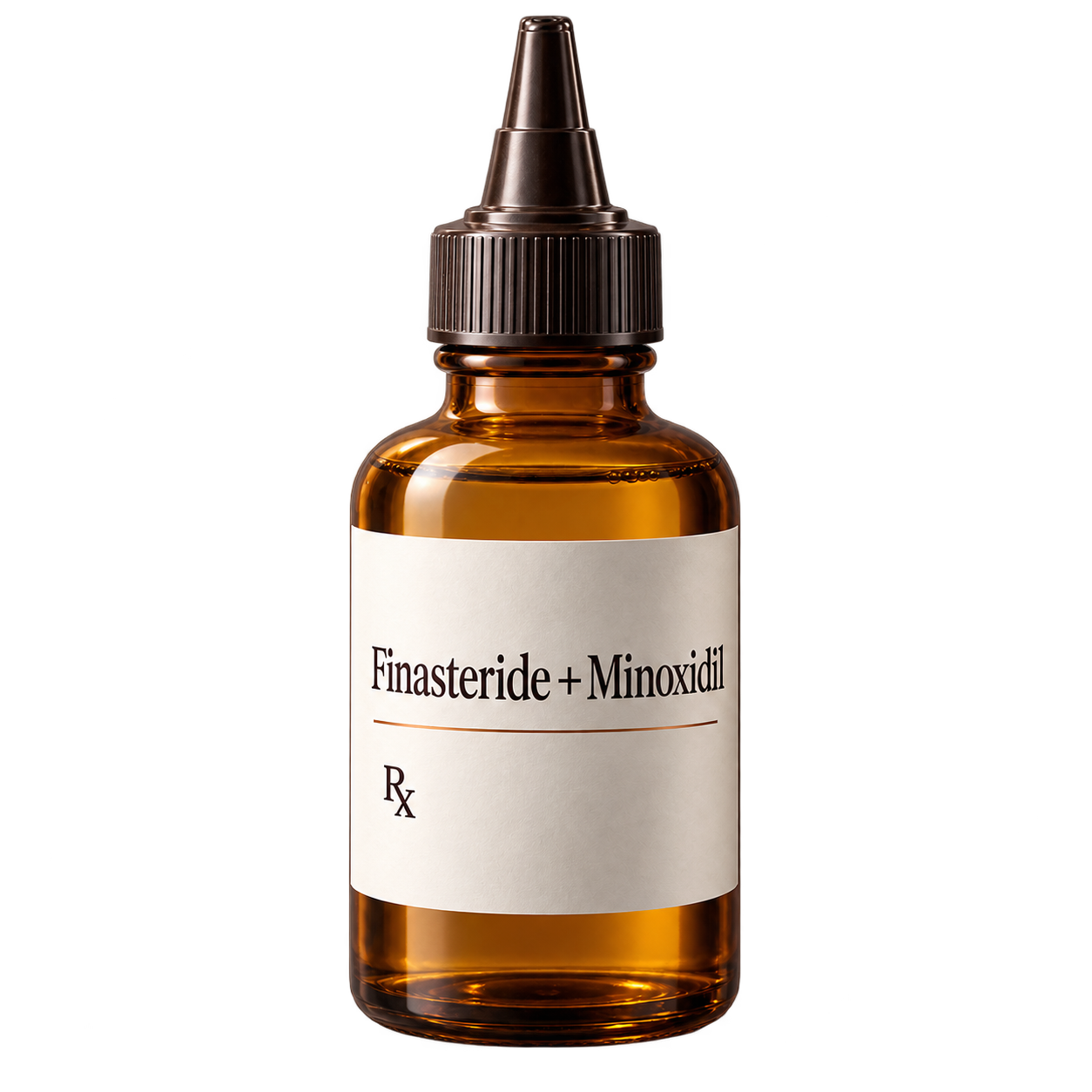
Topical finasteride is used for androgenetic alopecia (pattern hair loss), but side effects are still possible. The most common issues are local scalp reactions, while a smaller number of people report sexual side effects or mood changes similar to oral finasteride. This guide explains topical finasteride side effects, what is more likely to be mild versus serious, and when to contact a clinician. If you are unsure what is driving shedding or thinning, Vitals Vault lab options can help you check for common contributors and share results with a clinician.
- Topical finasteride side effects can include scalp irritation and, in some people, sexual or mood side effects.
- Even though it is applied to the scalp, finasteride can be absorbed and affect hormones in the body.
- Stop and get urgent help for allergic swelling, trouble breathing, or severe rash.
- Avoid exposure in pregnancy because finasteride can harm a male fetus.
Are there side effects with topical finasteride?
Topical finasteride side effects: common vs serious
Scalp irritation
You may notice redness, itching, burning, flaking, or dryness where the product is applied. This can be from the active drug, the alcohol or propylene glycol vehicle, or added ingredients. If irritation is persistent, a clinician can help you decide whether to adjust the formulation or switch products.
Unwanted facial hair
If a topical product containing minoxidil spreads beyond the scalp, hair growth can occur on the face or other areas. Washing hands after application and avoiding contact with the face can reduce this risk. Discuss persistent unwanted hair growth with a clinician.
Reduced libido or erectile issues
Finasteride can cause sexual side effects, including decreased sex drive and erectile dysfunction, as described in FDA labeling for oral finasteride. Topical finasteride may still lead to these effects in some people because systemic absorption can occur. If this happens, contact your prescribing clinician to discuss next steps.
Mood changes
Depressed mood and suicidal thoughts have been reported with finasteride and are included in FDA labeling updates for oral finasteride. If you notice new or worsening depression, anxiety, or thoughts of self-harm, seek urgent help and contact a clinician right away.
Breast changes
Breast tenderness, enlargement, or a breast lump has been reported with finasteride in postmarketing reports and is included in labeling. Although rare, report any breast changes or nipple discharge promptly so a clinician can evaluate other causes, including breast cancer.
Pregnancy exposure risk
Finasteride is contraindicated in pregnancy because it can cause abnormalities of the external genitalia of a male fetus. People who are pregnant or may become pregnant should avoid handling finasteride tablets that are crushed or broken, and should avoid exposure to finasteride solutions. If exposure occurs, contact a clinician promptly.
How long do side effects last?
Local irritation timeline
Scalp irritation can start soon after you begin a topical product or after a formulation change. It may improve as your scalp adjusts, or it may persist if you are sensitive to the vehicle or an ingredient. A clinician can help you decide whether symptoms suggest irritation versus dermatitis.
Systemic side effect timeline
Sexual or mood side effects, when they occur, may begin after starting finasteride and can last for varying lengths of time. FDA labeling for oral finasteride notes reports of sexual adverse reactions that persisted after discontinuation in some patients. If you notice these symptoms, contact a clinician promptly.
Shedding versus side effects
An increase in shedding early in hair loss treatment is sometimes reported with minoxidil as hairs shift into a new growth cycle, but shedding can also reflect stress, illness, iron deficiency, thyroid issues, or other causes. If shedding is sudden, patchy, or accompanied by scalp pain, get evaluated rather than assuming it is expected.
When to call a clinician or seek urgent care
Seek urgent care now
Get urgent help for trouble breathing, swelling of the face, lips, tongue, or throat, or a widespread blistering rash. These can be signs of a severe allergic reaction. Do not wait to see if symptoms pass.
Call your clinician promptly
Contact a clinician if you develop sexual side effects, depressed mood, anxiety, or suicidal thoughts, or if you notice breast tenderness, enlargement, a lump, or nipple discharge. Also call if you have severe scalp inflammation, oozing, or pain that suggests infection or allergic contact dermatitis.
Discuss pregnancy precautions
If you are pregnant, trying to conceive, or could become pregnant, discuss safer alternatives and household handling precautions. Finasteride exposure in pregnancy is a known risk, and a clinician can help you plan around it.
Pro tips to lower side effect risk
Apply only to the scalp
Keeping product off the face and hands can reduce irritation and unwanted hair growth.
Avoid broken skin
Applying to irritated or abraded scalp can increase stinging and absorption.
Track new symptoms
Write down timing of libido, mood, or breast changes to share with your clinician.
Review all ingredients
Vehicles, fragrances, and added actives can trigger dermatitis in sensitive skin.
Frequently Asked Questions
Can topical finasteride cause sexual side effects?
It can. Even with scalp application, some finasteride may be absorbed, and FDA labeling for oral finasteride describes sexual adverse reactions such as decreased libido and erectile dysfunction. If you notice these symptoms, contact a clinician to discuss options.
Are topical finasteride side effects less than oral finasteride?
Some studies suggest topical finasteride can lower scalp DHT with lower systemic exposure than oral finasteride, but side effects can still occur. The risk depends on the formulation, dose applied, and individual sensitivity. Discuss your personal risk factors with a clinician.
Can topical finasteride affect mood or cause depression?
Depressed mood and suicidal thoughts have been reported with finasteride and are addressed in oral finasteride labeling updates. If you notice new or worsening depression, anxiety, or thoughts of self-harm, seek urgent help and contact a clinician right away.
Is topical finasteride safe in pregnancy?
Finasteride is contraindicated in pregnancy because it can cause abnormalities of the external genitalia of a male fetus. People who are pregnant or may become pregnant should avoid exposure to finasteride products. If exposure happens, contact a clinician promptly.
What should I do if I get scalp irritation from topical finasteride?
Mild irritation can happen with topical products, especially with alcohol-based vehicles or added ingredients. If redness, burning, or scaling is persistent or severe, contact your prescribing clinician to evaluate for contact dermatitis and discuss whether a different formulation is appropriate.