
How to reduce side effects of finasteride
To reduce finasteride side effects, track symptoms, address triggers, and contact a clinician early. Seek urgent care for severe symptoms.
Key facts
- Finasteride + Minoxidil Scalp Solution is $53.50/month (billed $107 every 50 days), charged only after a clinician approves it.
- Answer a few health questions online. A licensed clinician reviews them. If approved, it ships to your door.
- Adults 18 or older. A licensed clinician reviews your health history and decides whether treatment is appropriate for you. Availability depends on the state you live in.


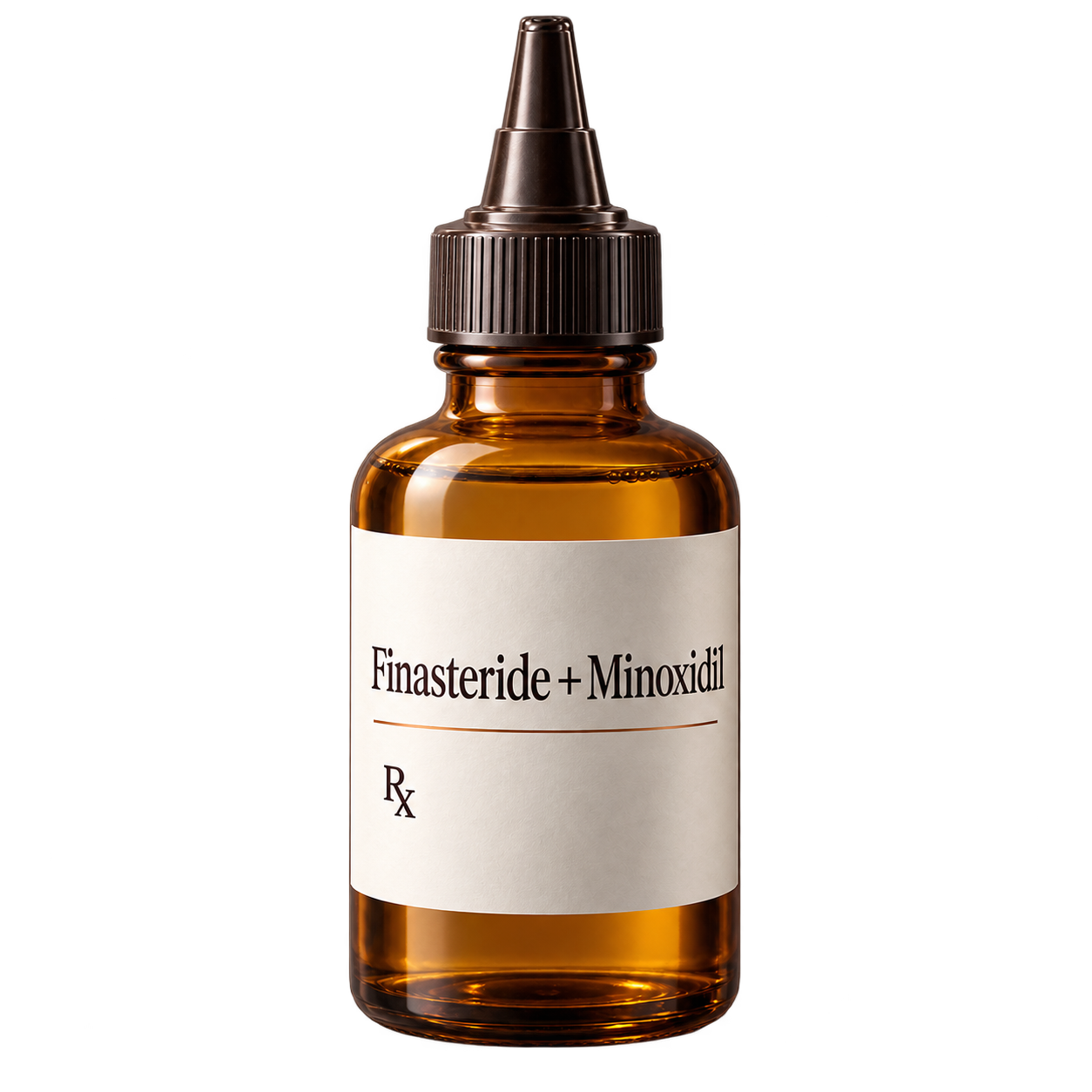
If you are taking finasteride for hair loss and notice side effects, the safest way to reduce them is to identify what is happening, how severe it is, and how quickly it is changing, then bring that information to a clinician. Some effects are mild and manageable, while others need prompt medical attention. This guide summarizes practical, evidence based steps you can discuss with a clinician, plus red flags that should not wait.
- How to reduce side effects of finasteride starts with tracking symptoms and contacting your prescriber early.
- Sexual side effects and mood changes are possible; do not ignore new or worsening depression.
- Topical minoxidil can irritate skin; avoid eyes and broken skin and wash hands after use.
- Seek urgent care for swelling of face or lips, trouble breathing, or severe rash.
Quick answer: what helps most
Confirm what you are using
Finasteride can be taken by mouth or used topically in compounded hair solutions, sometimes combined with minoxidil. Side effects and what helps can differ by route and by the other ingredients in your product, so bring the exact product name and directions to your visit.
Separate common from urgent
Some effects, like decreased libido or trouble with erections, are listed with finasteride and are usually not emergencies. Others, like signs of an allergic reaction or new breast lumps, need prompt evaluation. Knowing which category you are in helps you act quickly and safely.
Rule out other causes
Stress, sleep loss, alcohol, other medications, and underlying hormone or thyroid issues can overlap with symptoms people attribute to finasteride. A clinician may review your medication list and consider labs if symptoms are persistent or unclear.
Ways to reduce finasteride side effects
Sexual side effects
Finasteride can cause decreased libido, erectile dysfunction, or decreased ejaculate volume in some people. The most useful step is to tell your prescriber early, especially if symptoms are distressing or worsening, because they can help assess other contributors and discuss options. If you develop breast changes at the same time, get evaluated promptly.
Mood changes or depression
Depressed mood and depression have been reported with finasteride. If you notice new or worsening depression, anxiety, or suicidal thoughts, contact a clinician right away and seek urgent help if you feel unsafe. Bring a timeline of when symptoms started relative to treatment and other life or medication changes.
Breast tenderness or lumps
Breast tenderness or enlargement can occur, and any breast lump, pain, nipple discharge, or nipple changes should be evaluated promptly. Do not wait to see if it goes away on its own. Your clinician may do an exam and decide whether imaging or other testing is needed.
Allergic reactions
Rarely, finasteride can cause hypersensitivity reactions such as rash, itching, hives, and swelling of the lips and face. Seek urgent care for swelling of the face, lips, tongue, or throat, trouble breathing, or widespread rash. Tell clinicians you are taking finasteride and list any other new products you started.
Topical scalp irritation (minoxidil)
If your product includes topical minoxidil, scalp dryness, itching, scaling, or irritation can happen. Avoid applying to irritated or sunburned skin, avoid contact with eyes, and wash hands after application. If irritation is persistent, a clinician can help determine whether it is the active ingredient or another component of the solution.
Unwanted hair growth (minoxidil)
Topical minoxidil can cause hair growth in unintended areas if it spreads beyond the scalp. Let the product dry fully and avoid transferring it to the face or other skin. If this happens, a clinician can help you review application habits and whether a different formulation is appropriate.
| What you notice | What it may mean | What to do next |
|---|---|---|
| Lower libido, erectile difficulty, reduced ejaculate volume | Known possible finasteride effects | Track onset and severity and contact your prescriber for guidance. |
| New or worsening depression, anxiety, suicidal thoughts | Potential serious adverse effect | Contact a clinician urgently; seek emergency help if you feel unsafe. |
| Breast lump, nipple discharge, nipple changes | Needs prompt evaluation | Arrange prompt clinical assessment. |
| Swelling of face or lips, trouble breathing, widespread hives | Possible allergic reaction | Seek emergency care. |
| Scalp burning, itching, scaling with topical product | Irritation from minoxidil or vehicle ingredients | Stop applying to broken skin and contact your prescriber if persistent. |
When to talk to a clinician or seek urgent care
Call promptly for mood symptoms
Contact a clinician promptly for new or worsening depression, anxiety, or changes in thinking. If you have suicidal thoughts or feel at risk of harming yourself, seek emergency help immediately.
Get evaluated for breast changes
Breast lumps, pain, nipple discharge, or nipple changes should be evaluated promptly. These symptoms are not something to watch and wait on without medical advice.
Urgent care for allergic reactions
Seek urgent or emergency care for swelling of the face, lips, tongue, or throat, trouble breathing, or widespread hives or rash. These can be signs of a serious allergic reaction.
Discuss persistent sexual symptoms
If sexual side effects are persistent, distressing, or affecting relationships or mental health, bring it up early. A clinician can review other contributors and discuss monitoring and options tailored to you.
Practical tips that can help
Track symptoms weekly
Write down what changed, when it started, and how it affects daily life.
Avoid new add-ons
Do not add hormones, ED drugs, or supplements without clinician review.
Protect irritated scalp
Do not apply topical products to broken or inflamed skin.
Check for transfer
Let topical solutions dry fully to reduce spreading to face or hands.
Ask about labs when unclear
If symptoms persist, a clinician may check hormones or thyroid status.
Frequently Asked Questions
How to reduce side effects of finasteride without stopping it?
Start by documenting the symptom and contacting your prescriber early so they can evaluate severity and other causes. Avoid self changing how you use it or adding new medications or supplements without guidance. Seek urgent care for allergic reactions or severe mood symptoms.
Do finasteride sexual side effects go away?
Sexual side effects are listed with finasteride and may improve after stopping, but experiences vary. If symptoms are persistent or distressing, a clinician can help assess other contributors and discuss options. Do not wait if symptoms are affecting mental health.
What should I do if finasteride affects my mood?
Contact a clinician promptly for new or worsening depression, anxiety, or changes in thinking. If you have suicidal thoughts or feel unsafe, seek emergency help immediately. Bring a timeline of symptoms and any other medication or life changes.
Can topical finasteride or minoxidil cause scalp irritation?
Yes. Topical minoxidil products can cause scalp irritation such as itching, dryness, or scaling, and other ingredients in a compounded solution can also irritate skin. Avoid applying to broken skin and contact your prescriber if irritation persists.
What labs can help if I have hair loss symptoms while using finasteride?
A clinician may consider labs to look for other contributors to hair loss or symptoms, such as hormone related patterns or thyroid issues. Vitals Vault lab options can help you check where you stand and share results with a clinician. Labs do not diagnose on their own.