
Finasteride side effects men: common vs serious
Finasteride side effects in men range from sexual side effects to rare breast changes and mood symptoms. Know what to watch for and when to call clinician.
Key facts
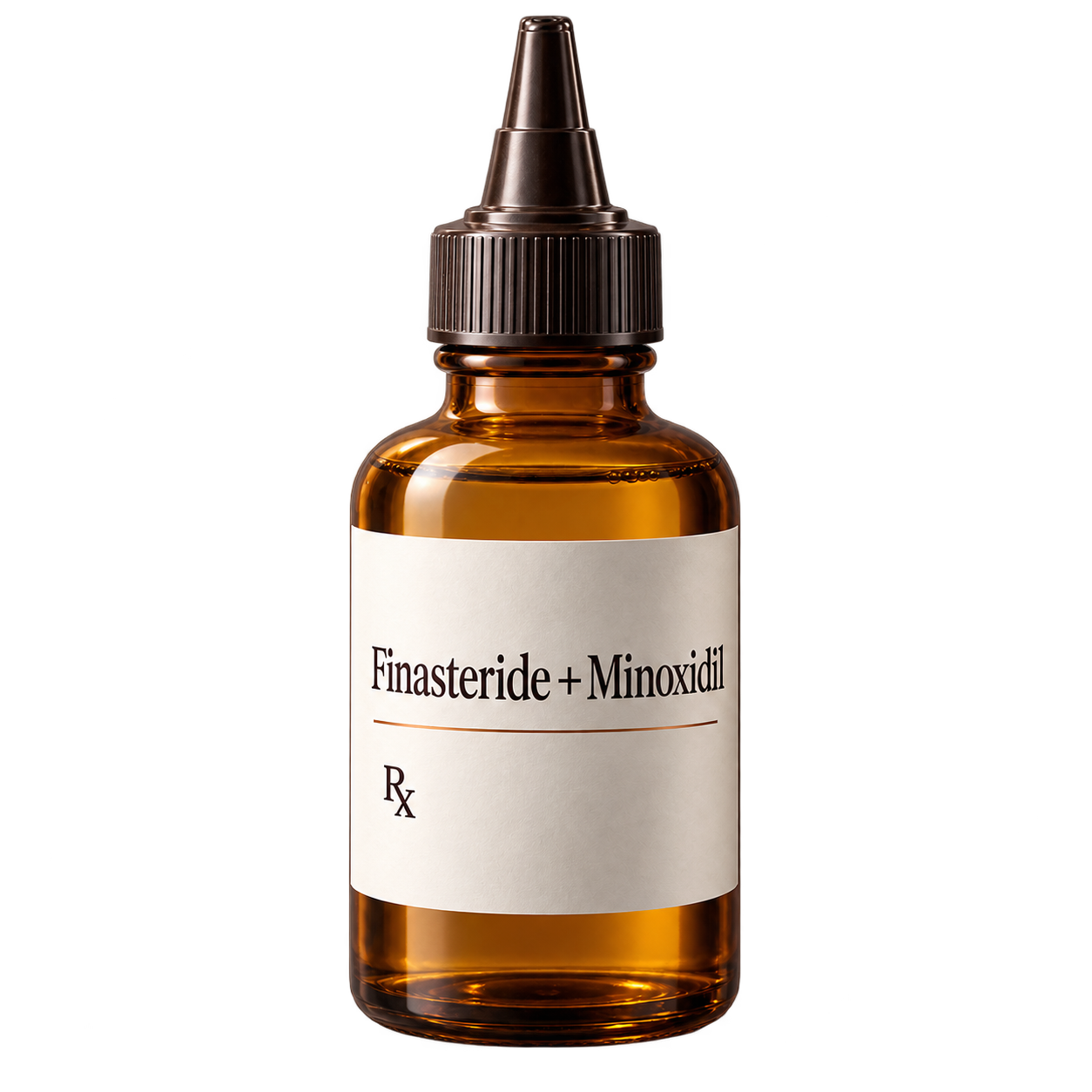
- Finasteride + Minoxidil Scalp Solution is $53.50/month (billed $107 every 50 days), charged only after a clinician approves it.
- Answer a few health questions online. A licensed clinician reviews them. If approved, it ships to your door.
- Adults 18 or older. A licensed clinician reviews your health history and decides whether treatment is appropriate for you. Availability depends on the state you live in.


If you searched for finasteride side effects in men, you likely want a clear list of what is common, what is serious, and what to do next. The best starting point is the FDA approved labeling for finasteride tablets, plus postmarketing safety reports. This page summarizes the side effects men most often ask about, what warning signs should prompt a call to a clinician, and how labs can help check other causes of hair shedding. Vitals Vault also links you to related finasteride safety topics.
- Finasteride side effects in men are usually sexual, but rare mood and breast symptoms can occur.
- Some side effects may improve after stopping, but persistence has been reported in some men.
- Get urgent help for allergic reactions or breast lumps, pain, or nipple discharge.
- Avoid exposure in pregnancy: finasteride can harm a male fetus.
Finasteride side effects in men: the quick answer
Side effects in men: common vs serious
Lower sex drive
Decreased libido is listed in FDA labeling for finasteride. If it happens, it is worth discussing other contributors such as stress, sleep, alcohol, depression, and other medications. If the symptom is distressing or persistent, a clinician can help you weigh risks and benefits.
Erectile dysfunction
Erectile dysfunction is a labeled adverse reaction for finasteride in men. ED can also be related to cardiovascular disease, diabetes, anxiety, low testosterone, and medication effects, so do not assume finasteride is the only cause. A clinician can help evaluate timing, severity, and alternatives.
Less semen volume
Reduced volume of ejaculate is listed in the finasteride label. This can be noticeable even when erections and orgasm feel otherwise normal. If you are trying to conceive or you notice fertility changes, bring it up early so a clinician can review options.
Breast tenderness or enlargement
Breast tenderness and enlargement (gynecomastia) have been reported with finasteride, including in postmarketing reports. Because male breast cancer has also been reported, contact a clinician promptly for any breast lump, pain, or nipple discharge. Do not ignore one sided changes.
Depression or mood changes
Depression has been reported in men taking finasteride, including postmarketing reports. If you notice persistent low mood, loss of interest, anxiety, or suicidal thoughts, contact a clinician right away or seek urgent help. Mental health symptoms deserve immediate attention regardless of the cause.
Allergic reaction
Serious hypersensitivity reactions are listed in labeling, including rash, pruritus (itching), urticaria (hives), and swelling of the lips and face. Seek urgent care for facial or throat swelling, trouble breathing, or widespread hives. Tell clinicians about any prior medication allergies.
When to talk to a clinician or seek urgent care
Call urgently for allergy signs
Get urgent care for facial or throat swelling, trouble breathing, or widespread hives. These can be signs of a serious allergic reaction and should not wait for a routine visit.
Contact a clinician for breast changes
Report any breast lump, pain, enlargement, or nipple discharge promptly. These symptoms need evaluation even though serious causes are uncommon.
Reach out for mood symptoms
If you feel persistently depressed, anxious, or have suicidal thoughts, contact a clinician right away or seek emergency help. Do not wait to see if it passes.
Discuss sexual symptoms early
If libido, erections, or ejaculation changes are bothersome or persistent, talk with a clinician. They can review other causes, medication interactions, and alternative hair loss approaches.
Ask about other hair loss causes
If shedding is sudden, patchy, or accompanied by fatigue, weight change, or scalp symptoms, ask about evaluation for thyroid disease, iron deficiency, and other contributors. Labs can help check for common, treatable drivers.
Pro tips for monitoring side effects
Track timing
Write down when symptoms started, changed, or improved to share with a clinician.
Do not self adjust
Avoid changing or stopping medication without clinician guidance, especially if symptoms are severe.
Consider the full picture
Stress, sleep, alcohol, and other meds can affect sexual function and mood.
Protect pregnancy
Keep tablets intact and stored safely away from anyone who is pregnant.
Bring questions to visits
Ask what symptoms warrant follow up and what alternatives may fit your goals.
Frequently Asked Questions
Can finasteride cause sexual side effects in men?
Yes. The FDA approved labeling for finasteride lists decreased libido, erectile dysfunction, and decreased volume of ejaculate as possible adverse reactions in men. If symptoms are persistent or distressing, a clinician can help assess other causes and options.
Do finasteride side effects in men go away after stopping?
Some adverse reactions in trials resolved after discontinuation, but persistent sexual dysfunction and mood symptoms have been reported in some men after stopping. If symptoms continue, discuss evaluation and next steps with a clinician.
Can finasteride affect mood or cause depression?
Depression has been reported with finasteride, including postmarketing reports. If you notice persistent low mood, anxiety, or suicidal thoughts, seek urgent help and contact a clinician promptly.
What breast symptoms are concerning on finasteride?
Report breast lumps, pain, enlargement, or nipple discharge promptly. Breast tenderness and enlargement have been reported, and male breast cancer has also been reported rarely, so these symptoms should be evaluated.
Can I use Vitals Vault labs to check other causes of hair loss?
Yes. Vitals Vault lab panels can help check for common contributors to shedding, and you can share results with a clinician for context. Labs do not diagnose hair loss on their own, and sudden or severe symptoms need urgent care rather than a lab order.