
Tirzepatide dosage chart for weight loss
A tirzepatide dosage chart for weight loss explains the label titration schedule and missed dose rules. Dosing is individualized by your clinician.
Key facts
- Tirzepatide + B12 is $169/month (billed $169 every 4 weeks), charged only after a clinician approves it.
- Answer a few health questions online. A licensed clinician reviews them. If approved, it ships to your door.
- Adults 18 or older. A licensed clinician reviews your health history and decides whether treatment is appropriate for you. Availability depends on the state you live in.


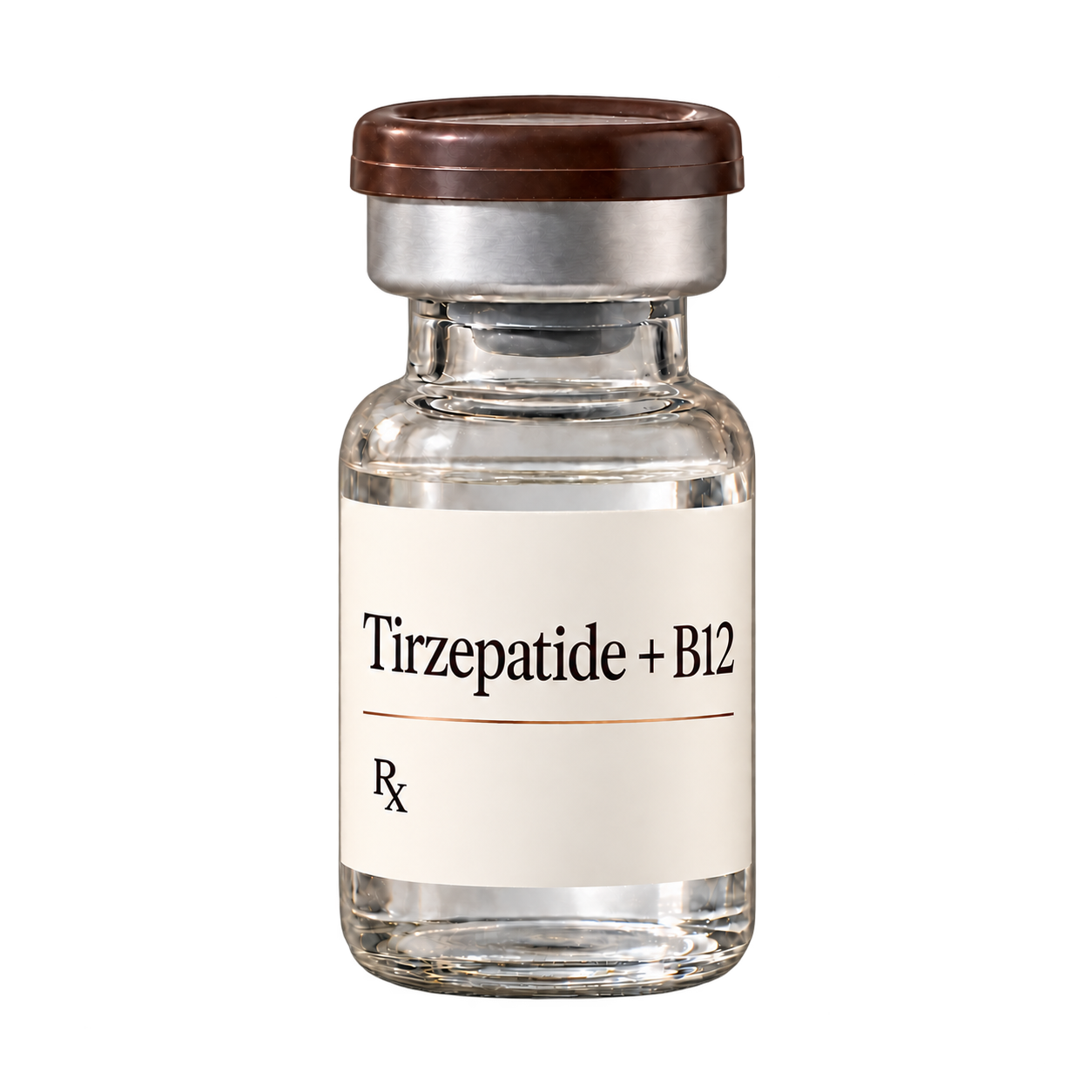
If you searched for a tirzepatide dosage chart for weight loss, you are usually looking for the standard titration schedule, what “step up” means, and what to do about a missed dose. This page summarizes labeled dosing for tirzepatide products for education only, not a personalized plan. Vitals Vault also offers PocketMD, a free AI health companion, to help you ask dosing questions in the context of your own health history and labs.
- A tirzepatide dosage chart for weight loss is a gradual dose increase schedule from the FDA label.
- Tirzepatide is injected once weekly, on the same day each week, per the label.
- Dose increases are typically no more often than every 4 weeks, based on tolerability.
- If you miss a dose, the label gives timing rules for taking it or skipping it.
Answer: tirzepatide dosing chart (education only)
- How often it is taken
- Once weekly, on the same day each week (any time of day), with or without meals.
- Why doses are increased gradually
- To help reduce gastrointestinal side effects such as nausea and vomiting.
- How often increases happen on-label
- After 4 weeks at each dose, the dose may be increased in 2.5 mg increments.
Titration schedule, missed dose, and forms
| Treatment phase (label) | Dose | How long before considering an increase |
|---|---|---|
| Starting dose | 2.5 mg once weekly | After 4 weeks |
| Dose escalation | Increase by 2.5 mg steps (for example 5 mg, 7.5 mg, 10 mg, 12.5 mg, 15 mg once weekly) | At least 4 weeks at each dose |
| Maintenance dose | 5 mg, 10 mg, or 15 mg once weekly | Chosen by prescriber based on response and tolerability |
What “maintenance dose” means
A maintenance dose is the ongoing weekly dose your clinician selects after titration. The label lists multiple maintenance options because people vary in side effects, other medications, and how much additional benefit they get at higher doses.
If you miss a dose
The label says you can take a missed dose within 4 days (96 hours). If more than 4 days have passed, skip the missed dose and take your next dose on the regularly scheduled day.
Changing your weekly injection day
The label allows changing the day of weekly administration if the time between doses is at least 3 days (72 hours). If you are considering a change, confirm the timing with your prescriber or pharmacist.
Injection sites (label only)
For FDA approved tirzepatide pens, the label lists injection in the abdomen, thigh, or upper arm. A clinician or pharmacist should show you how to use the device, and the Instructions for Use cover the steps.
Compounded tirzepatide is different
Compounded tirzepatide is prepared by a licensed pharmacy for an individual prescription and is not FDA-approved. Your prescribing clinician and dispensing pharmacy provide the specific administration instructions for that product.
When to talk to a clinician urgently
Possible pancreatitis symptoms
Seek urgent medical evaluation for severe abdominal pain that may radiate to the back, with or without vomiting. Pancreatitis has been reported with GLP-1 based medicines, and the label advises stopping tirzepatide if pancreatitis is suspected.
Gallbladder problems
Contact a clinician promptly for right upper abdominal pain, fever, jaundice, or clay-colored stools. Acute gallbladder disease has been reported with tirzepatide, and symptoms may need imaging and treatment.
Kidney problems or dehydration
If vomiting or diarrhea is persistent, or you cannot keep fluids down, contact a clinician. The label warns that severe gastrointestinal reactions can lead to dehydration and worsening kidney function, especially in people with kidney disease.
Low blood sugar risk (hypoglycemia)
If you use insulin or a sulfonylurea, ask your prescriber about hypoglycemia risk and monitoring. Symptoms can include shakiness, sweating, confusion, or fast heartbeat and may require prompt treatment.
Thyroid tumor warning symptoms
Tirzepatide has a boxed warning about thyroid C-cell tumors based on animal studies. Contact a clinician if you notice a neck lump, hoarseness, trouble swallowing, or shortness of breath.
Allergic reaction
Get emergency care for swelling of the face, lips, tongue, or throat, trouble breathing, or severe rash. Serious hypersensitivity reactions have been reported.
Practical tips to stay on track
Expect appetite changes
Dose increases can temporarily worsen nausea. Smaller meals and slower eating may help.
Plan around titration weeks
If side effects flare after an increase, tell your clinician before the next scheduled step up.
Track symptoms, not just weight
Note nausea, constipation, reflux, and fatigue patterns to guide clinician decisions.
Review other diabetes medicines
If you take insulin or sulfonylureas, ask about hypoglycemia precautions during titration.
Ask before changing dose timing
The label has timing rules for missed doses and day changes. Confirm your plan with your prescriber.
Frequently Asked Questions
What is the tirzepatide dosage chart for weight loss?
It is the FDA labeled titration schedule that starts at a low dose and increases gradually, typically every 4 weeks, to improve tolerability. Your prescriber chooses whether and when to increase based on your side effects and overall health.
How often do you increase tirzepatide on the label?
In the FDA label, the starting dose is used for 4 weeks, and then the dose may be increased in 2.5 mg steps. Further increases are typically after at least 4 weeks at each dose, depending on tolerability.
What happens if I miss a tirzepatide dose?
The label says you can take a missed dose within 4 days (96 hours). If more than 4 days have passed, skip the missed dose and take the next dose on your regularly scheduled day.
Where do you inject tirzepatide?
For FDA approved tirzepatide pens, the label lists injection in the abdomen, thigh, or upper arm. A clinician or pharmacist should show you how to use the medication, and the Instructions for Use provide the full steps.
Is compounded tirzepatide dosed the same as brand tirzepatide?
Not always. Compounded medications are prepared by a licensed pharmacy for an individual prescription and are not FDA-approved, so concentrations and devices can differ. Your prescriber and dispensing pharmacy should provide the exact dosing and administration directions for your prescription.