
Sermorelin side effects: what to expect
Sermorelin side effects are often mild, but allergic reactions and significant swelling need prompt care. See common vs serious risks and when to call.
Key facts
- Sermorelin Injection is $219/month (billed $219 every 30 days), charged only after a clinician approves it.
- Answer a few health questions online. A licensed clinician reviews them. If approved, it ships to your door.
- Adults 18 or older. A licensed clinician reviews your health history and decides whether treatment is appropriate for you. Availability depends on the state you live in.


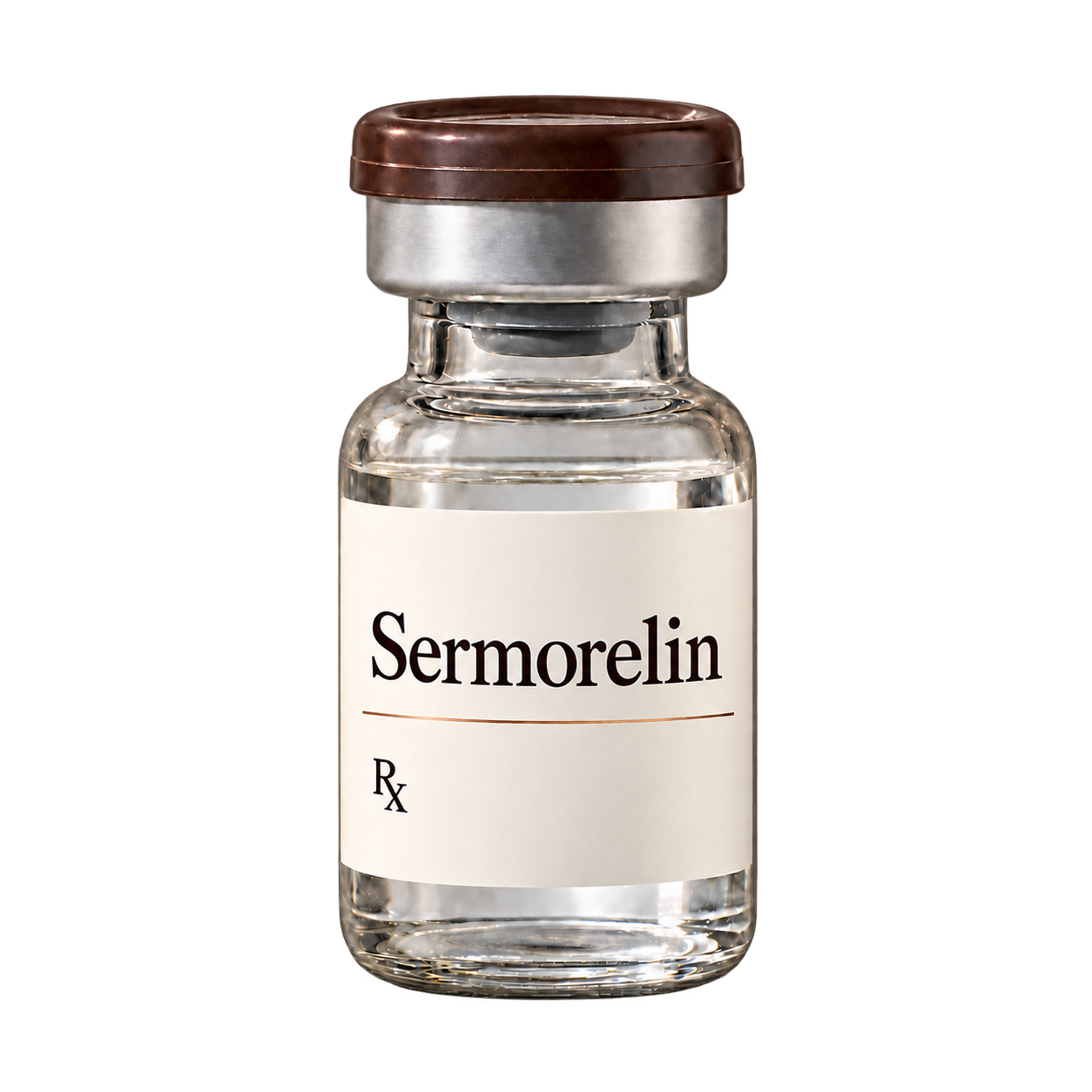
Sermorelin is a lab-made version of growth hormone releasing hormone (GHRH). It is used to stimulate your pituitary gland to release growth hormone, but it is not an FDA-approved drug product in the US, so safety information comes mostly from older studies and clinical use. If you are taking sermorelin or considering it, this guide breaks down common versus serious side effects, what may help, and when to seek care. Vitals Vault also offers lab options you can share with a clinician to put symptoms in context.
- Sermorelin side effects are usually injection site reactions, but allergic reactions need urgent care.
- Headache, flushing, nausea, dizziness, and sleepiness have been reported with sermorelin.
- Swelling of hands or feet can occur and should be discussed promptly with your clinician.
- There is no good evidence that sermorelin causes cancer, but long-term safety data are limited.
Sermorelin side effects at a glance
Most common effects
The most commonly reported sermorelin side effects are injection site reactions such as pain, redness, swelling, or itching. These are usually mild and improve as the area heals. Because many prescriptions are compounded, the exact rate and severity can vary by formulation and patient.
Potentially serious effects
The most concerning risk is an allergic reaction, including hives, wheezing, throat tightness, or swelling of the face, lips, tongue, or eyes. Significant swelling of the hands or feet has also been reported and should be evaluated. Seek urgent care for symptoms of anaphylaxis.
Cancer concern
Searches about sermorelin side effects cancer are common. Available evidence does not show that sermorelin itself causes cancer, but growth hormone and insulin-like growth factor 1 (IGF-1) biology is complex, and long-term safety data for sermorelin use in adults are limited. If you have a history of cancer, discuss risk and monitoring with your clinician.
Common vs serious side effects and what to do
Injection site reactions
Pain, redness, swelling, tenderness, or itching at the injection site are commonly reported with sermorelin. These effects are usually temporary and localized. If you develop spreading redness, warmth, pus, fever, or severe pain, contact a clinician because infection is possible.
Headache or flushing
Headache and flushing have been reported in clinical studies of sermorelin. They are often short-lived, but persistent or severe headache should be assessed, especially if you also have vision changes, weakness, or confusion. Tell your clinician if headaches start after a dose change or new medication.
Nausea or dizziness
Some people report nausea, lightheadedness, or dizziness. If this happens, avoid driving or risky activities until you feel steady. If dizziness is severe, recurrent, or associated with fainting, chest pain, or shortness of breath, seek prompt medical evaluation.
Sleepiness or fatigue
Drowsiness or fatigue has been reported with sermorelin. This can overlap with other causes such as poor sleep, thyroid issues, anemia, or medication effects. If fatigue is new, worsening, or paired with swelling, rapid weight change, or shortness of breath, contact your clinician.
Swelling of hands or feet
Swelling of the hands or feet has been reported with sermorelin. Swelling can have many causes, including fluid retention, heart or kidney problems, or medication effects. Because swelling can sometimes signal a serious issue, report it promptly, especially if it is sudden, one-sided, or painful.
Allergic reaction (anaphylaxis)
Stop and get urgent help if you develop hives, wheezing, trouble breathing, throat tightness, or swelling of the face, lips, tongue, or eyes. These can be signs of anaphylaxis, a life-threatening allergic reaction. Tell your clinician about any prior reactions to peptide medications or ingredients used in compounded products.
When to call a clinician or seek urgent care
Get urgent care now
Seek urgent care for signs of a severe allergic reaction: trouble breathing, wheezing, throat tightness, or swelling of your face, lips, tongue, or eyes. Also seek urgent evaluation for fainting, severe chest pain, or sudden severe headache with neurologic symptoms.
Call your clinician soon
Contact your clinician promptly if you have significant swelling of hands or feet, rapid worsening fatigue, persistent dizziness, or a spreading injection site reaction. If you have a history of cancer or are being evaluated for a new mass, bring this up before continuing treatment.
Ask at your next check-in
Bring up mild injection site irritation, occasional headache, or nausea that resolves quickly. Your clinician may review technique, timing, other medications, and whether labs such as IGF-1 are appropriate for monitoring goals and safety.
Pro tips to reduce side effects
Track patterns
Write down symptoms, timing, and any new meds or supplements to review with your clinician.
Check the site
If redness spreads or you develop fever, contact a clinician to rule out infection.
Report swelling early
New hand or foot swelling is worth a prompt message, even if it seems mild.
Discuss cancer history
If you have current or prior cancer, ask about risks, monitoring, and alternatives.
Frequently Asked Questions
Can sermorelin side effects include cancer?
There is no good evidence that sermorelin directly causes cancer, but long-term safety data in adults are limited. Because growth hormone and IGF-1 pathways are involved in cell growth, talk with your clinician if you have a current or prior cancer diagnosis.
What are the most common sermorelin side effects?
The most commonly reported effects are injection site reactions such as redness, pain, swelling, or itching. Headache, flushing, nausea, dizziness, and sleepiness have also been reported in studies. Tell your clinician if symptoms are persistent or worsening.
When are sermorelin side effects serious enough to seek urgent care?
Seek urgent care for signs of a severe allergic reaction, including trouble breathing, wheezing, throat tightness, or swelling of the face, lips, tongue, or eyes. Also get urgent evaluation for fainting, severe chest pain, or sudden severe headache with neurologic symptoms.
Can sermorelin cause swelling in the hands or feet?
Swelling of the hands or feet has been reported with sermorelin. Because swelling can also signal other medical problems, report it promptly to your clinician, especially if it is sudden, one-sided, painful, or associated with shortness of breath.
Does Vitals Vault offer labs that can help evaluate symptoms while using sermorelin?
Yes. Vitals Vault offers lab panels you can use to check common health markers and share results with a clinician for context. Labs do not diagnose side effects, and severe or sudden symptoms should be evaluated urgently rather than managed with testing.