
Sermorelin peptide side effects: what to expect
Sermorelin peptide side effects are usually mild, but reactions can occur. Know common symptoms, red flags, and when to call a clinician.
Key facts
- Sermorelin Injection is $219/month (billed $219 every 30 days), charged only after a clinician approves it.
- Answer a few health questions online. A licensed clinician reviews them. If approved, it ships to your door.
- Adults 18 or older. A licensed clinician reviews your health history and decides whether treatment is appropriate for you. Availability depends on the state you live in.


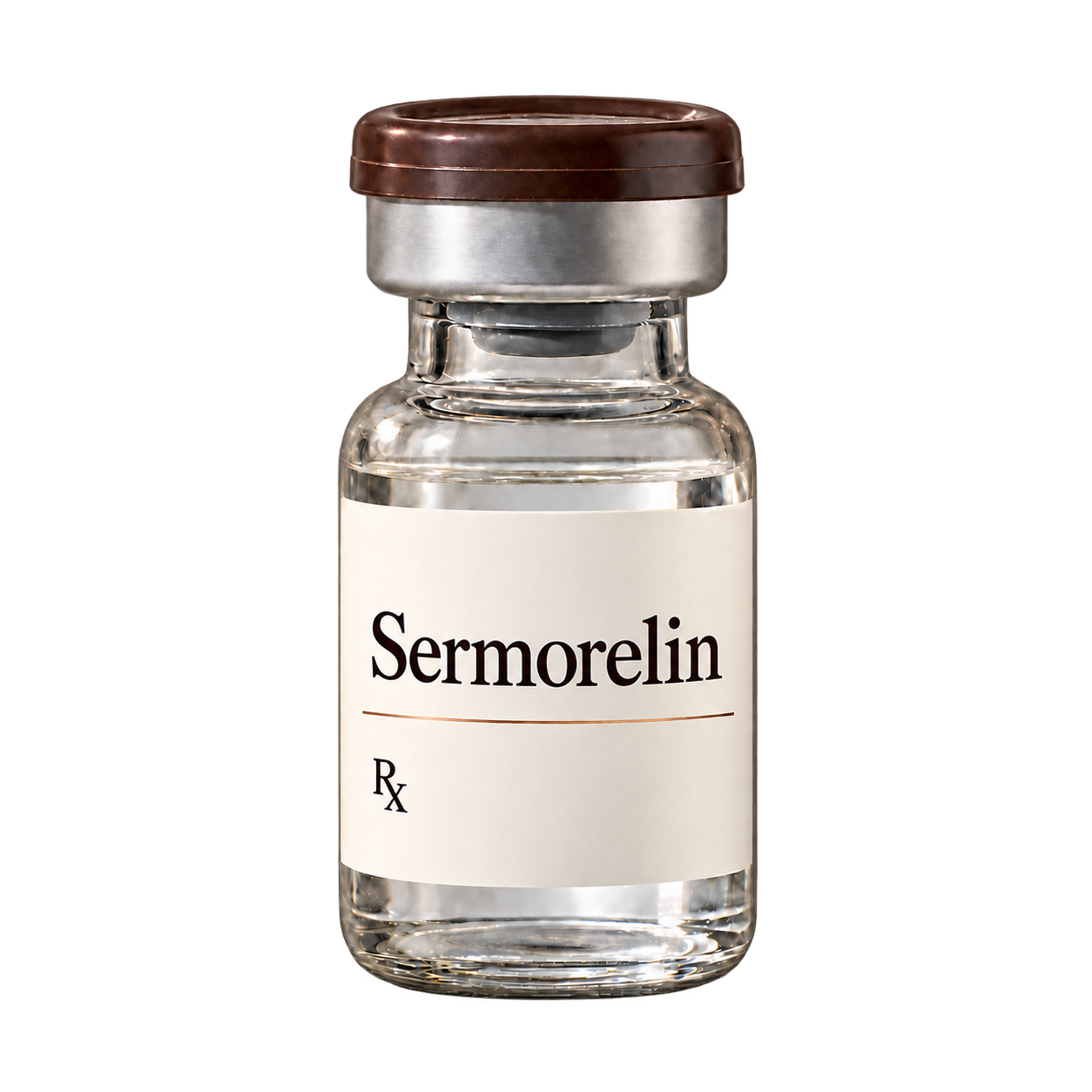
If you are searching for sermorelin peptide side effects, you likely want a clear list of what is common, what is serious, and what to do next. Sermorelin is a synthetic form of growth hormone releasing hormone (GHRH) and is sometimes prescribed to stimulate growth hormone release. This guide explains potential side effects reported with sermorelin, including injection site reactions and possible allergic reactions, plus practical red flags to watch for.
- Sermorelin peptide side effects most often include injection site reactions, flushing, headache, and nausea.
- Because sermorelin is often compounded, side effects can vary by formulation and dosing plan.
- Seek urgent care for trouble breathing, facial or throat swelling, or severe allergic symptoms.
- If symptoms persist or worsen, contact your prescribing clinician to review dose, timing, and other causes.
Sermorelin peptide side effects, in plain terms
Most are mild
Sermorelin side effects are most often mild and related to the injection site or short-lived body sensations such as flushing or headache. Many people notice symptoms soon after a dose and they may fade as your body adjusts. Because many prescriptions are compounded, your exact risk can vary by formulation and dose.
Allergic reactions are the main red flag
More serious reactions can include allergy-type symptoms. Get urgent help for swelling of the face, lips, tongue, or throat, trouble breathing, or widespread hives. These can be signs of a severe allergic reaction and should not be watched at home.
Report persistent symptoms
If a symptom is not improving, keeps coming back, or is affecting sleep, mood, or daily function, contact your prescribing clinician. They can assess whether the symptom is likely related to sermorelin, another medication, or an underlying condition that needs attention.
Common and serious side effects to know
Injection site reactions
Redness, itching, swelling, tenderness, or pain where the medication is injected can occur. Mild reactions may improve with site rotation and time, but worsening redness, warmth, drainage, or fever can suggest infection and needs medical review. If you are using a compounded product, follow your pharmacy and clinician instructions for storage and handling.
Flushing or warmth
Some people report flushing, warmth, or a brief feeling of being hot. If flushing is accompanied by wheezing, throat tightness, or swelling, treat it as a possible allergic reaction and seek urgent care. If it is mild but persistent, discuss it with your clinician.
Headache or dizziness
Headache and dizziness have been reported with sermorelin. Hydration, sleep, and other triggers can contribute, so it helps to note timing relative to dosing and other medications. Seek urgent evaluation for sudden severe headache, fainting, weakness, or neurologic symptoms.
Nausea
Nausea can occur, sometimes along with stomach discomfort. If nausea is severe, persistent, or associated with dehydration, contact your clinician. Ongoing nausea can also have many non-medication causes that are worth checking.
Sleep changes
Some people report changes in sleep, such as insomnia or vivid dreams. If sleep disruption is affecting your functioning, your clinician may review timing, dose, or whether another condition is contributing. Avoid changing your plan on your own without medical guidance.
Allergic reaction (including anaphylaxis)
Serious allergic reactions have been reported with sermorelin, including anaphylaxis. Symptoms can include hives, itching, swelling of the face or throat, trouble breathing, or feeling faint. Stop and seek emergency care if these occur, and report the reaction to your prescribing clinician.
When to call a clinician or seek urgent care
Seek urgent care now
Get emergency help for trouble breathing, throat tightness, swelling of the face or tongue, severe widespread hives, fainting, or severe weakness. These can be signs of a severe allergic reaction. Also seek urgent evaluation for chest pain, confusion, or new neurologic symptoms.
Call your prescriber soon
Contact your clinician if you have persistent nausea, headaches, dizziness, sleep disruption, or injection site reactions that are worsening or not improving. Bring notes on timing, other medications and supplements, and any recent illness. Your clinician can decide whether evaluation, monitoring, or a plan change is needed.
If you have other conditions
If you are pregnant, breastfeeding, have active cancer, or have complex endocrine conditions, discuss risks and alternatives with a qualified clinician before using peptides. Your clinician may also want baseline or follow-up labs depending on your goals and symptoms.
Pro tips for tracking side effects
Track timing
Write down when symptoms start and how long they last after each dose.
Note injection site patterns
Record which site you used and whether redness or swelling repeats in the same area.
List everything you take
Include supplements, sleep aids, and stimulants when you report symptoms.
Do not self-adjust
If side effects worry you, contact your prescriber before changing your plan.
Frequently Asked Questions
What are sermorelin peptide side effects?
Sermorelin peptide side effects most often include injection site reactions, flushing, headache, nausea, and sleep changes. More serious reactions can include allergy-type symptoms such as swelling or trouble breathing, which need urgent care.
How long do sermorelin side effects last?
Some effects, like flushing or headache, may be short-lived, while injection site irritation can last longer. If a symptom persists, worsens, or interferes with daily life, contact your prescribing clinician for individualized guidance.
Can sermorelin cause an allergic reaction?
Yes. Serious allergic reactions, including anaphylaxis, have been reported with sermorelin. Seek emergency care for hives with swelling, throat tightness, trouble breathing, or feeling faint.
Are side effects different with compounded sermorelin?
They can be. Compounded medications are prepared by a licensed pharmacy for an individual prescription and are not FDA-approved, so ingredients, concentration, and tolerability may vary. Your prescriber and dispensing pharmacy are the best sources for product-specific guidance.
Should I get labs if I feel worse on sermorelin?
Labs can help you and a clinician look for other causes of symptoms and establish a baseline, but they do not diagnose on their own. If symptoms are severe or sudden, seek urgent care rather than ordering labs. If you use Vitals Vault labs, share results with your clinician.