
Does semaglutide cause insomnia?
Does semaglutide cause insomnia? It is not a listed side effect, but some people report sleep changes. Here is what may cause it.
Key facts
- Semaglutide + B12 is $157/month (billed $157 every 4 weeks), charged only after a clinician approves it.
- Answer a few health questions online. A licensed clinician reviews them. If approved, it ships to your door.
- Adults 18 or older. A licensed clinician reviews your health history and decides whether treatment is appropriate for you. Availability depends on the state you live in.


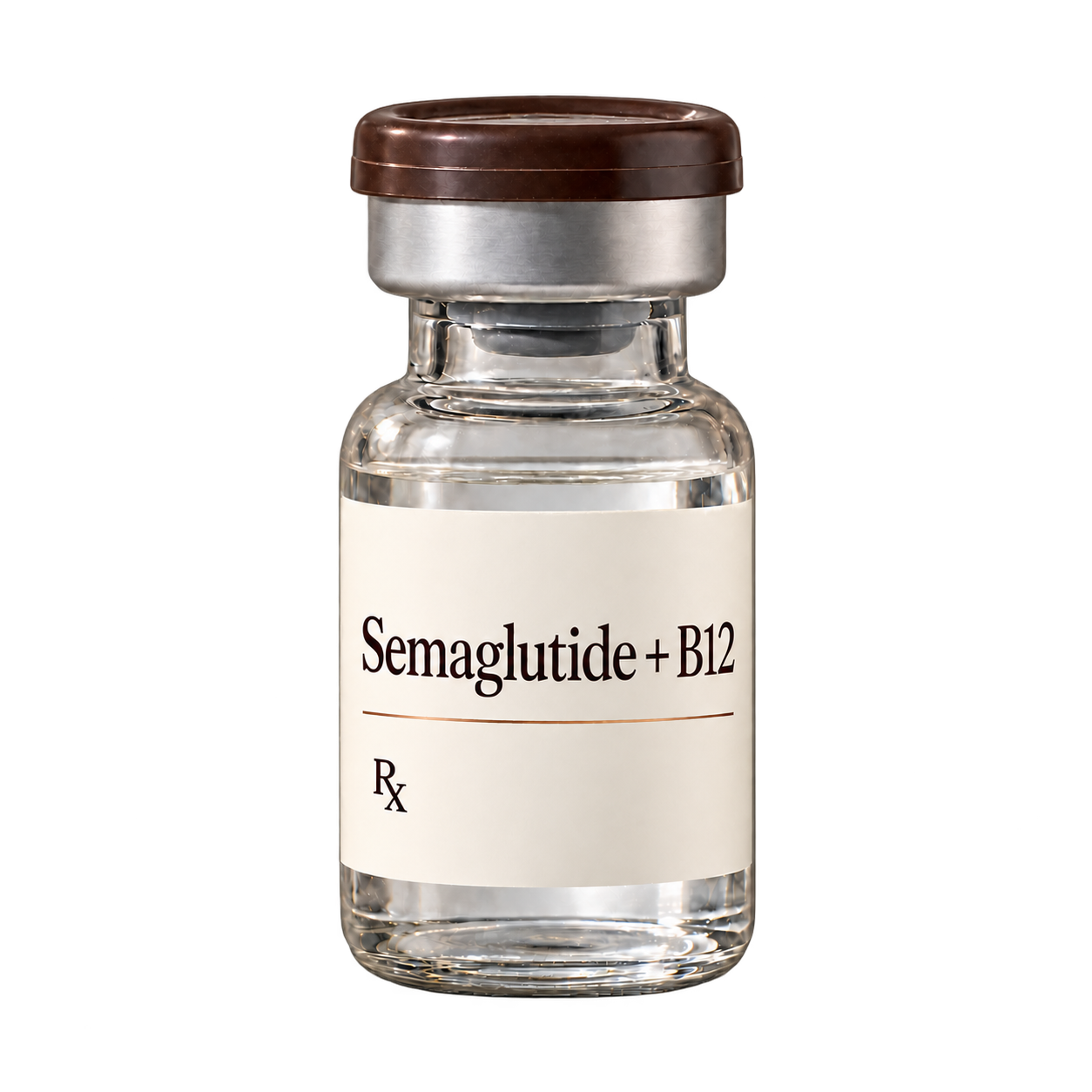
If you are asking does semaglutide cause insomnia, the best available evidence from FDA labeling does not list insomnia as a common side effect. Still, some people notice trouble sleeping after starting or changing a GLP-1 medicine, often because of indirect effects like nausea, reflux, or changes in eating patterns. This page explains the most likely reasons sleep can worsen on semaglutide and what to watch for. If you are considering compounded semaglutide, Vitals Vault can connect you with clinician guided care where available.
- Insomnia is not listed as a common semaglutide side effect, but sleep changes can happen.
- Nausea, reflux, appetite changes, and low blood sugar can disrupt sleep while on GLP-1 medicines.
- New or worsening anxiety, mood changes, or severe GI symptoms can also affect sleep.
- Seek urgent care for severe abdominal pain, allergic reaction symptoms, or dehydration signs.
Does semaglutide cause insomnia?
Not a labeled common effect
In FDA labeling for semaglutide injection products, the most commonly reported adverse reactions are gastrointestinal, such as nausea, vomiting, diarrhea, abdominal pain, and constipation. Insomnia is not listed among the common adverse reactions, which suggests it is not a typical direct drug effect.
Sleep changes can still occur
Even when insomnia is not a labeled common side effect, you can still experience sleep disruption while taking semaglutide. In practice, this is often due to symptoms that interfere with sleep, changes in meal timing, or other factors happening at the same time as treatment.
Compounded products differ
Compounded semaglutide is prepared by a pharmacy for an individual prescription and is not FDA-approved. Because compounded products can vary, side effects and tolerability may not match what is described in FDA labeling for brand products.
Why semaglutide might affect your sleep
Nausea or stomach upset at night
Nausea and other gastrointestinal effects are among the most common adverse reactions reported with semaglutide injection products. If nausea, bloating, or abdominal discomfort is worse in the evening, it can make it harder to fall asleep or stay asleep.
Heartburn or reflux symptoms
Semaglutide slows gastric emptying, which can contribute to a feeling of fullness and sometimes reflux like symptoms in some people. Lying down can worsen reflux, so night time symptoms may disrupt sleep even if insomnia itself is not a labeled effect.
Eating pattern changes
Many people eat less or change meal timing on GLP-1 medicines due to reduced appetite or nausea. Going to bed very hungry, eating late to catch up on calories, or changing caffeine use can all affect sleep quality.
Low blood sugar in certain situations
Semaglutide can increase the risk of hypoglycemia when used with insulin or insulin secretagogues such as sulfonylureas, according to FDA labeling. Night time low blood sugar can cause sweating, shakiness, palpitations, or waking suddenly, which can feel like insomnia.
Stress, anxiety, or mood changes
Starting a new medication, managing side effects, or worrying about symptoms can increase stress and make sleep harder. If you notice persistent anxiety, depressed mood, or significant behavior changes, bring it up promptly with a clinician.
Dehydration from vomiting or diarrhea
Vomiting and diarrhea are listed adverse reactions with semaglutide products. If you become dehydrated, you may feel restless, have muscle cramps, or wake frequently, and dehydration can also worsen kidney problems, which is a labeled warning.
| What you notice | Possible contributor | What to discuss with a clinician |
|---|---|---|
| Trouble falling asleep after dose changes | GI side effects, reflux, stress | Whether symptoms match expected adverse reactions and how to manage them |
| Waking with sweating, shakiness, fast heartbeat | Possible low blood sugar (higher risk with insulin or sulfonylurea) | Medication list review and whether glucose monitoring is needed |
| Waking from nausea or abdominal discomfort | Nausea, slowed gastric emptying | Ways to reduce GI symptoms and rule out complications |
| Frequent waking with thirst or dizziness | Dehydration from vomiting or diarrhea | Hydration plan and whether evaluation for kidney issues is needed |
When to talk to a clinician about insomnia on semaglutide
Insomnia lasts over 2 weeks
If sleep problems persist beyond the first couple of weeks after starting or changing semaglutide, it is worth reviewing symptoms, meal timing, other medications, and underlying sleep issues with a clinician. Persistent insomnia can have many causes that are not directly related to semaglutide.
You take insulin or sulfonylurea
FDA labeling warns that hypoglycemia risk increases when semaglutide is used with insulin or insulin secretagogues such as sulfonylureas. If you have night time waking with symptoms that could fit low blood sugar, contact your prescriber promptly.
Severe GI symptoms or dehydration
Persistent vomiting or diarrhea can lead to dehydration and may worsen kidney function, which is a labeled warning for semaglutide products. If you cannot keep fluids down, feel faint, or urinate much less, seek urgent evaluation.
Severe abdominal pain
Semaglutide labeling includes warnings about pancreatitis and gallbladder disease. Severe abdominal pain, especially if it does not go away or is associated with vomiting, needs urgent medical evaluation rather than waiting for a routine visit.
Practical tips that often help
Track timing and triggers
Note when insomnia started, dose changes, nausea, reflux, and meal timing to review with your clinician.
Prioritize reflux friendly habits
If heartburn is waking you, discuss reflux management strategies with a clinician.
Review other stimulants
Caffeine, nicotine, and some decongestants can worsen insomnia, especially if used later in the day.
Ask about hypoglycemia risk
If you use insulin or a sulfonylurea, ask whether night time symptoms could be low blood sugar.
Do not self adjust medication
Do not change dosing on your own. Bring sleep changes to your prescribing clinician.
Frequently Asked Questions
Does semaglutide cause insomnia?
Insomnia is not listed as a common adverse reaction in FDA prescribing information for semaglutide injection products. Some people still report sleep disruption, often due to nausea, reflux, appetite changes, or other factors that can affect sleep.
Why am I waking up at night on semaglutide?
Night waking can happen if nausea, reflux, or abdominal discomfort is worse when you lie down. If you use insulin or a sulfonylurea, discuss whether symptoms could fit low blood sugar, since labeling notes higher hypoglycemia risk with those combinations.
Can semaglutide cause anxiety that keeps you awake?
Anxiety is not listed as a common adverse reaction in semaglutide labeling, but stress from side effects or other life factors can worsen sleep. If you notice persistent anxiety, depressed mood, or behavior changes, contact a clinician for evaluation.
Is insomnia more likely with compounded semaglutide?
Compounded semaglutide is not FDA-approved and can vary by pharmacy and formulation. If insomnia starts after a refill or formulation change, tell the prescribing clinician and the dispensing pharmacy so they can review possible contributors.
When should I seek urgent care for symptoms with poor sleep?
Seek urgent care for severe or persistent abdominal pain, repeated vomiting, signs of dehydration, or symptoms of a serious allergic reaction. Semaglutide labeling includes warnings for pancreatitis, gallbladder disease, kidney problems related to dehydration, and severe hypersensitivity reactions.