
How long does it take for Mounjaro to work?
How long does it take for Mounjaro to work? Some effects may start within weeks, but meaningful change is usually judged over months.
Key facts
- Tirzepatide + B12 is $169/month (billed $169 every 4 weeks), charged only after a clinician approves it.
- Answer a few health questions online. A licensed clinician reviews them. If approved, it ships to your door.
- Adults 18 or older. A licensed clinician reviews your health history and decides whether treatment is appropriate for you. Availability depends on the state you live in.


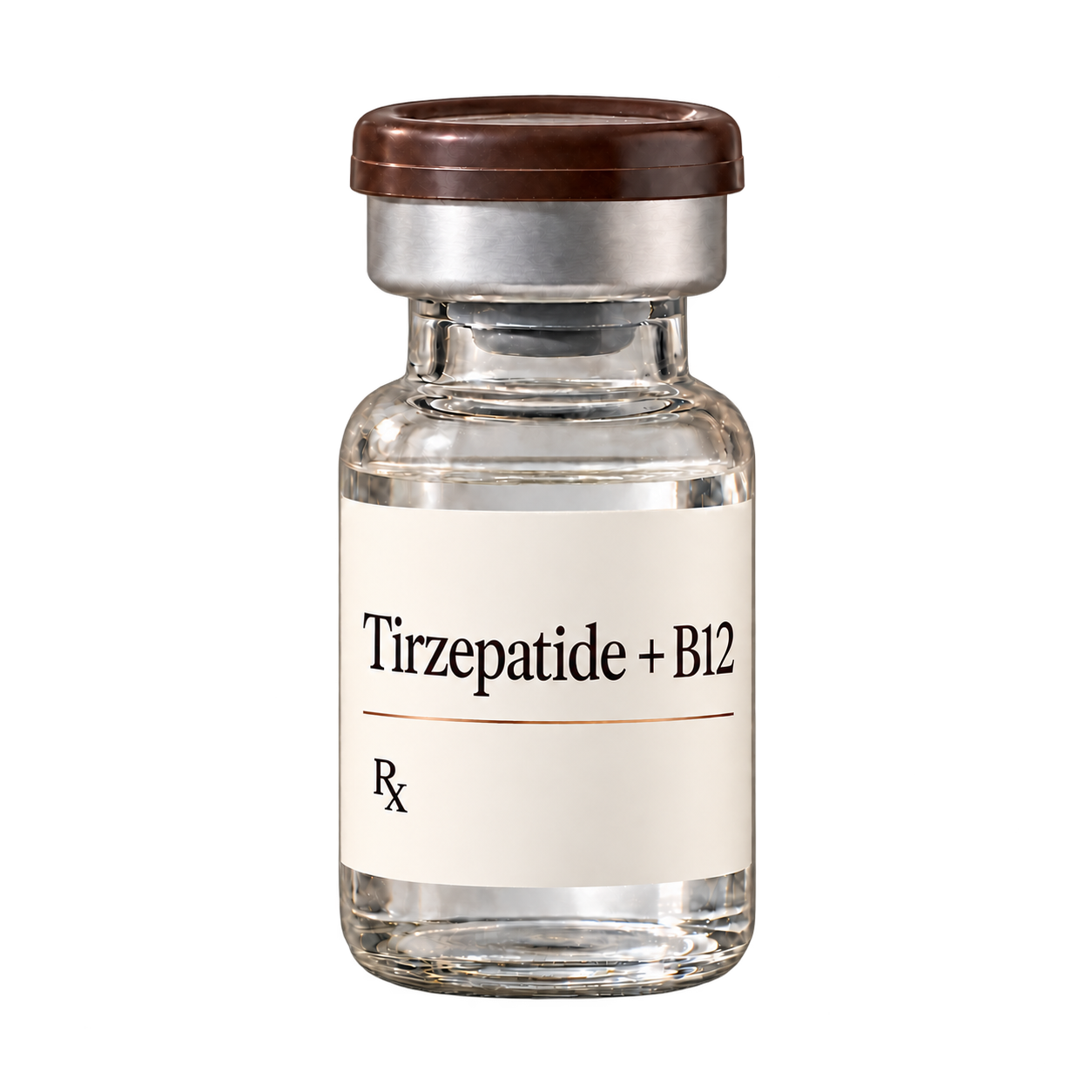
If you are asking how long does it take for Mounjaro to work, the most accurate answer is that it depends on what you mean by “work.” Some people notice appetite or blood sugar changes within weeks, while weight and lab trends are usually judged over months. This page summarizes what the FDA labels and clinical trials show about tirzepatide timelines and why they vary. If you want a clinician to review whether compounded tirzepatide could fit your goals and history, Vitals Vault can help you start that process.
- Some effects can start within weeks, but progress is usually judged over months.
- In weight management trials, tirzepatide outcomes were reported through 72 weeks.
- Dose increases and side effects can change how quickly you notice results.
- Urgent symptoms like severe belly pain need prompt medical care.
How long it takes to notice changes
Appetite and fullness
Many people notice feeling full sooner or having less appetite early on. This can happen before the scale changes much, especially while your clinician is still adjusting the dose. Nausea and slowed stomach emptying can also affect appetite early.
Blood sugar changes
If you have type 2 diabetes, glucose improvements may be noticed earlier than weight change. The FDA label describes tirzepatide as improving glycemic control, and clinicians often monitor glucose trends as dose changes. Your baseline A1C and other diabetes medicines can affect what you notice and when.
Weight change over months
In clinical trials for chronic weight management, participants were followed for many months, with key results reported at 72 weeks. That long follow up is one reason it is normal for weight change to feel gradual rather than immediate. Your pace can differ based on dose, adherence, and tolerability.
What affects how fast it works
Dose titration and tolerability
Tirzepatide dosing is typically increased over time to improve tolerability, which can make early changes feel modest. If side effects limit dose increases, your timeline may be slower. Your clinician may also pause adjustments if you are not tolerating the medication well.
Your starting health
Starting weight, insulin resistance, and whether you have type 2 diabetes can influence what you notice first. People with higher baseline glucose may see glucose changes sooner, while weight change may take longer to become obvious. Other medical conditions can also affect appetite and energy.
Common GI side effects
The most common side effects in the FDA label are gastrointestinal, including nausea, diarrhea, vomiting, constipation, and abdominal pain. These symptoms can affect eating patterns and may influence how quickly you can increase dose. Tell your clinician if symptoms are persistent or limiting.
Low blood sugar with some meds
Tirzepatide can increase the risk of hypoglycemia when used with insulin or insulin secretagogues such as sulfonylureas. If you take those medicines, your clinician may adjust monitoring and your overall plan, which can affect what you notice and when. Seek help promptly for severe low blood sugar symptoms.
Compounded versus brand
Mounjaro is a brand product. Vitals Vault offers Tirzepatide (compounded, injectable) as a compounded medication, not Mounjaro. Compounded medications are prepared by a licensed pharmacy for an individual prescription and are not FDA-approved.
| Factor | How it can change the timeline | What to discuss with a clinician |
|---|---|---|
| Dose increases over time | Benefits may build as you reach and maintain an effective dose. | How side effects affect titration and follow up. |
| Type 2 diabetes and other meds | Glucose changes may appear earlier; hypoglycemia risk is higher with insulin or sulfonylureas. | Monitoring plan and interaction risks. |
| GI side effects | Nausea, vomiting, diarrhea, and constipation can slow titration or limit intake. | Symptom management and when to seek urgent care. |
| Long term expectations | Weight outcomes in trials were assessed over many months, including 72 week results. | What progress markers matter most for you. |
When to talk to a clinician sooner
Severe stomach symptoms
Contact a clinician urgently if you have severe or persistent vomiting or diarrhea, cannot keep fluids down, or feel faint. These can lead to dehydration and kidney problems. Your clinician may need to evaluate you and adjust your plan.
Possible pancreatitis symptoms
Get urgent medical care for severe abdominal pain that may radiate to the back, with or without vomiting. The tirzepatide labels include warnings about pancreatitis. Do not ignore these symptoms.
Gallbladder symptoms
Seek medical evaluation for right upper abdominal pain, fever, or yellowing of the skin or eyes. Acute gallbladder disease has been reported with GLP-1 based therapies, and the tirzepatide labels include warnings related to gallbladder events. Prompt assessment matters.
Low blood sugar concerns
If you use insulin or a sulfonylurea, ask your clinician what low blood sugar symptoms to watch for and how to respond. The risk is higher with these combinations, and your monitoring plan may need to change. Seek help promptly for severe symptoms.
Questions about progress
If you are not noticing any meaningful change after you have been on a stable plan for a while, check in. Your clinician can review adherence, side effects, sleep, other medications, and whether a different approach makes sense. Do not change dosing on your own.
Pro tips for setting expectations
Think in months, not days
Trials report outcomes over many months, including 72 week results.
Track more than weight
Appetite, waist fit, glucose trends, and clinician monitored labs can matter.
Report side effects early
Early symptom control can help you stay on a clinician plan.
Keep follow ups scheduled
Regular check ins support safer adjustments and monitoring.
Know urgent symptoms
Severe belly pain, dehydration, or severe low sugar symptoms need prompt care.
Frequently Asked Questions
How long does Mounjaro take to work?
Some people notice appetite or glucose changes within the first few weeks, but larger, sustained changes are usually judged over months. In chronic weight management research with tirzepatide, outcomes were reported through 72 weeks.
How long does it take for Mounjaro to work for weight loss?
In clinical trials for chronic weight management, weight outcomes were assessed over many months, including results reported at 72 weeks. Your personal timeline can be faster or slower depending on dose changes, side effects, and your starting health status.
Why does Mounjaro seem to work faster for some people?
Differences in starting weight, insulin resistance, and whether you have type 2 diabetes can change what you notice first. Dose titration and side effects can also affect how quickly you reach and stay on an effective plan.
What side effects can show up early with tirzepatide?
The most common side effects in the FDA labels are gastrointestinal, including nausea, diarrhea, vomiting, constipation, and abdominal pain. If you have severe abdominal pain or cannot keep fluids down, seek urgent medical care and contact a clinician.
Is compounded tirzepatide the same as Mounjaro?
No. Mounjaro is a brand product, and compounded tirzepatide is prepared by a licensed pharmacy for an individual prescription and is not FDA-approved. If you are considering either, discuss risks, benefits, and monitoring with a licensed clinician.