
Tirzepatide how long does it take to work?
Tirzepatide how long does it take to work? Many people notice appetite changes within weeks, but meaningful weight loss builds over months.
Key facts
- Tirzepatide + B12 is $169/month (billed $169 every 4 weeks), charged only after a clinician approves it.
- Answer a few health questions online. A licensed clinician reviews them. If approved, it ships to your door.
- Adults 18 or older. A licensed clinician reviews your health history and decides whether treatment is appropriate for you. Availability depends on the state you live in.


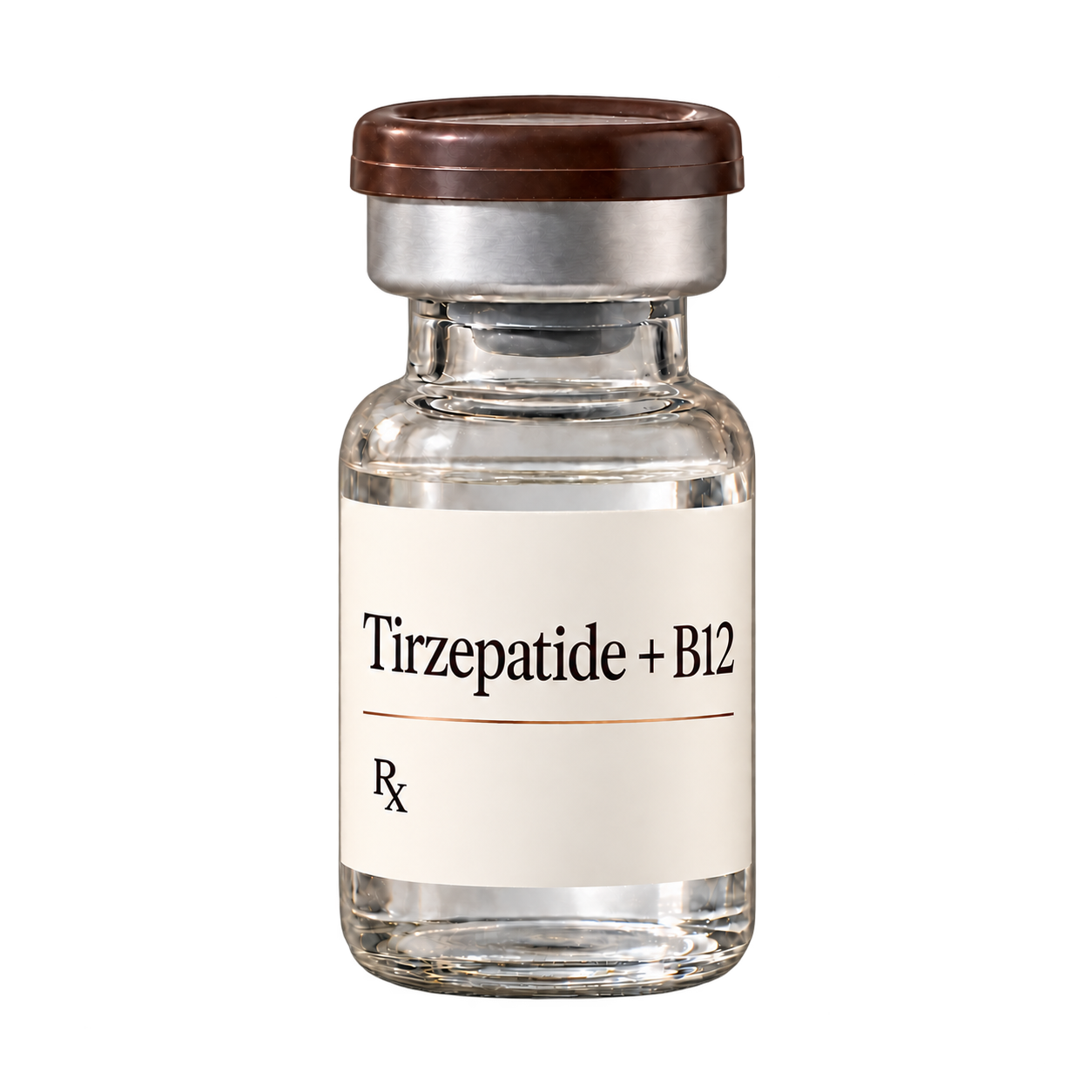
If you are asking “tirzepatide how long does it take to work,” it helps to define what “work” means for you: less hunger, better blood sugar, or weight change. Tirzepatide is typically increased gradually, so changes can be noticeable early, while larger changes often take longer. This guide summarizes what research and prescribing information show about timelines and why they vary. Vitals Vault also explains what to watch for and when it is worth checking in with a clinician.
- Tirzepatide can start affecting appetite within weeks, but weight loss typically builds over months.
- In clinical trials, weight loss continued through 72 weeks with ongoing treatment and dose escalation.
- Early nausea or stomach upset is common and may be part of the adjustment period.
- Results vary with dose, adherence, diet, activity, sleep, and other medical conditions.
Answer: how long tirzepatide takes to work
Weeks 1 to 4
Some people notice earlier fullness, fewer cravings, or smaller portions. Scale changes can be modest at first because the starting dose is intended for treatment initiation and tolerability, not maximum effect.
Months 2 to 4
As the dose is increased per the prescribing information, appetite and weight effects often become more noticeable. Side effects can also be more apparent during dose changes, which may affect how consistently you can follow your plan.
Months 6 and beyond
In obesity trials, participants continued losing weight over many months, with the study following people through 72 weeks. This supports thinking in terms of a longer runway rather than expecting a final result in the first few weeks.
What studies show about timing and why it varies
Dose escalation affects speed
Tirzepatide is started at a low dose and increased gradually in the FDA labeled products to reduce gastrointestinal side effects. Because the dose changes over time, the effect you feel early on may not reflect the effect at a higher maintenance dose.
Trial evidence is long-term
In the SURMOUNT 1 trial (adults with obesity or overweight with weight-related conditions, without diabetes), weight loss increased over time and was assessed through 72 weeks. That pattern suggests that for many people, the medication’s full effect is not immediate.
Blood sugar changes can be earlier
In type 2 diabetes studies of tirzepatide, A1C is typically evaluated over months because it reflects average blood sugar over about 3 months. Some day-to-day glucose changes may occur earlier, but A1C is not an instant marker.
Common side effects can shape results
Nausea, diarrhea, decreased appetite, vomiting, constipation, indigestion, and abdominal pain are among the commonly reported side effects with FDA approved tirzepatide products. If side effects limit eating in a way that is not sustainable, or lead you to stop, results can slow or reverse.
Serious risks require attention
FDA approved tirzepatide products carry warnings including thyroid C-cell tumor risk (boxed warning), pancreatitis, gallbladder problems, kidney problems (sometimes related to dehydration), and severe allergic reactions. Low blood sugar risk is higher when used with insulin or sulfonylureas. These risks do not predict whether it will work, but they affect safety and monitoring.
Compounded tirzepatide is different
This page discusses timelines based on evidence for FDA approved tirzepatide products. Compounded tirzepatide is not FDA approved, and the exact formulation can vary by pharmacy, which can add uncertainty to how quickly you notice effects.
| What you notice | When it may show up | What can affect it |
|---|---|---|
| Earlier fullness, less food noise | Often within weeks | Dose level, meal composition, nausea, sleep, stress |
| Steadier weight trend | Often over months | Dose escalation, adherence, activity, calorie intake, other conditions |
| A1C improvement (for diabetes) | Assessed over months | Baseline A1C, other diabetes meds, adherence |
When to talk to a clinician about your timeline
You have severe stomach symptoms
Contact a clinician if nausea, vomiting, or diarrhea is severe, persistent, or leads to dehydration. Dehydration can worsen kidney problems, and persistent symptoms may require a change in plan or evaluation for other causes.
You have signs of pancreatitis
Seek urgent medical care for severe abdominal pain that may radiate to the back, with or without vomiting. Pancreatitis is a labeled warning for tirzepatide products and needs prompt evaluation.
You have gallbladder symptoms
Talk to a clinician promptly for right upper abdominal pain, fever, jaundice, or persistent nausea and vomiting. Gallbladder disease is a labeled risk with GLP-1 based therapies, including tirzepatide products.
You feel a neck lump or hoarseness
Report a neck mass, trouble swallowing, or persistent hoarseness. Tirzepatide products have a boxed warning about thyroid C-cell tumors based on animal studies, and symptoms should be evaluated.
You are not seeing change over months
If you have had several months of consistent use and lifestyle effort but do not notice appetite or weight changes, a clinician can review adherence, side effects, other medications, and whether a different approach is safer or more effective for you.
Pro tips for setting realistic expectations
Track more than the scale
Note appetite, portion size, and cravings weekly to see early signals.
Expect changes after titration
The starting dose is for initiation, so effects may build later.
Plan for GI side effects
Smaller meals and hydration can help some people tolerate treatment.
Review other medications
Some drugs affect weight or blood sugar and can change your timeline.
Use labs for context
A clinician may monitor metabolic markers to guide next steps.
Frequently Asked Questions
How long does tirzepatide take to work?
Some people notice appetite changes within the first few weeks, but weight loss often builds over months as the dose is increased and tolerated. In obesity trials, weight loss continued to increase through 72 weeks of treatment. Your experience can vary based on side effects and dose changes.
How long does it take for tirzepatide to work?
It can feel like it is working early if you notice less hunger or earlier fullness, even before major scale changes. Larger weight changes often take longer because tirzepatide is titrated gradually. Talk with a clinician if you have severe side effects or no change after months of consistent use.
When do you see the most weight loss on tirzepatide?
In clinical trials for obesity, weight loss increased over time and was assessed through 72 weeks, suggesting the effect can continue building for many months. The pace can vary as doses are adjusted for tolerability. A clinician can help interpret your trend and goals.
Why am I not losing weight yet on tirzepatide?
Early on, the starting dose is intended for treatment initiation and may not produce the strongest effect. Side effects, missed doses, diet, activity, sleep, and other medications can also affect results. If progress is not happening over months, a clinician can review possible reasons and options.
Is compounded tirzepatide expected to work the same as brand tirzepatide?
Evidence on timing and outcomes comes from FDA approved tirzepatide products, not compounded versions. Compounded medications are prepared by a licensed pharmacy for an individual prescription and are not FDA-approved, and formulations can vary. Ask your prescribing clinician and dispensing pharmacy what to expect for your specific product.