
How long does it take for Zepbound to work?
Many people notice appetite changes within weeks, while weight loss typically builds over months as dosing is increased and maintained with lifestyle.
Key facts
- Tirzepatide + B12 is $169/month (billed $169 every 4 weeks), charged only after a clinician approves it.
- Answer a few health questions online. A licensed clinician reviews them. If approved, it ships to your door.
- Adults 18 or older. A licensed clinician reviews your health history and decides whether treatment is appropriate for you. Availability depends on the state you live in.


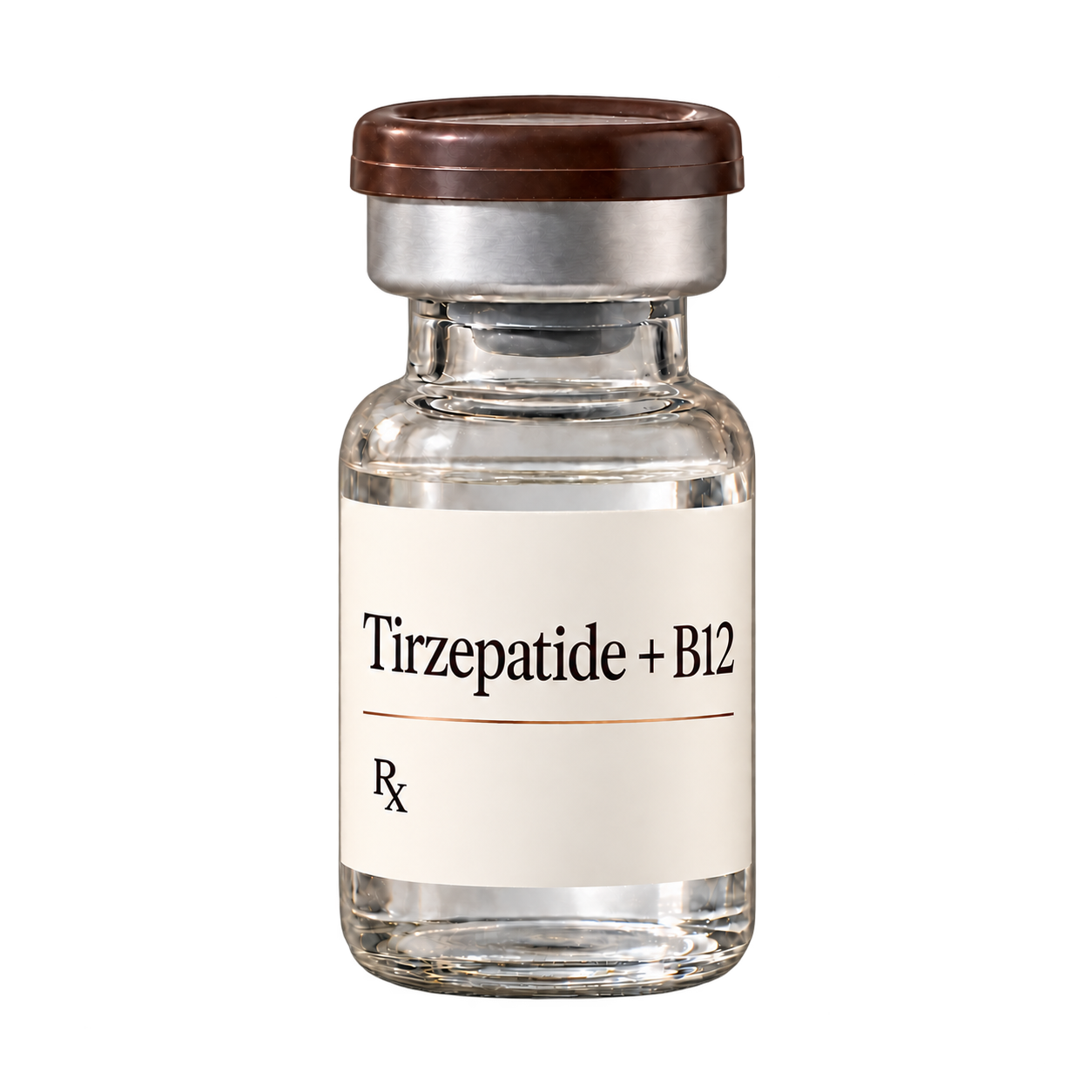
If you are asking how long does it take for Zepbound to work, the most realistic answer is that appetite and fullness changes may show up within weeks, while weight change usually accumulates over months. In studies of tirzepatide, average weight loss continued to increase over long treatment periods. This page explains what the research and prescribing information suggest about timing, why results vary, and when to check in with a clinician. Vitals Vault also offers care for compounded tirzepatide, which is not the same as the brand Zepbound.
- Many people notice appetite changes within weeks; weight loss usually builds over months.
- In SURMOUNT-1, average weight loss increased through 72 weeks of treatment.
- Dose titration and side effects can make early progress feel slower.
- Diet, activity, sleep, and other medications can shift your timeline.
Answer: when you may notice changes
Weeks: appetite and fullness
Many people notice reduced appetite, earlier fullness, or fewer cravings within the first several weeks. This can happen before the scale changes much, especially while you are still titrating. In clinical studies of tirzepatide, weight loss began early and continued over time.
Months: weight change builds
Tirzepatide is studied and used as a long-term treatment alongside diet and activity changes. In SURMOUNT-1 (adults with obesity or overweight without diabetes), average weight loss increased progressively across the 72-week treatment period. That pattern suggests results are usually not a one-week effect.
Longer term: maintenance matters
Zepbound is indicated for chronic weight management with a reduced-calorie diet and increased physical activity. Longer-term research suggests that staying on treatment helps maintain weight reduction, and stopping treatment can be followed by weight regain. Your clinician can help you set a realistic check-in schedule.
What affects how fast it works for you
Dose titration and tolerance
Zepbound dosing is increased stepwise to improve tolerability, especially gastrointestinal side effects. If dose increases are slowed or paused due to side effects, the timeline for stronger appetite and weight effects may shift. Your prescriber decides the safest pace based on your response.
Diet and activity changes
In the Zepbound clinical program, medication was used with a reduced-calorie diet and increased physical activity. If nutrition and activity changes are inconsistent, weight change may be smaller or slower even if appetite improves. If you are eating much less due to nausea, dehydration can become a concern.
Starting point and health factors
People start treatment at different weights and with different metabolic health, which can affect the pace of change. Trial results are averages across large groups, so individual responses can be faster or slower. A clinician can help you interpret progress using more than weight alone.
Other medications and conditions
Some medications can influence weight or appetite, and conditions that affect sleep or stress can also change hunger signals. Bringing a full medication list to follow-ups helps your clinician troubleshoot plateaus. Do not make medication changes without medical guidance.
Side effects that limit intake
Nausea, vomiting, diarrhea, constipation, and abdominal pain are among the most common side effects listed for Zepbound. For some people, early appetite reduction is partly driven by these effects, which is not the goal. If side effects are persistent or severe, contact your prescriber.
| Time frame | What you might notice | What the evidence shows |
|---|---|---|
| First several weeks | Appetite and fullness changes; possible early weight change | In Zepbound and tirzepatide studies, weight loss begins early and continues over time (label; SURMOUNT-1). |
| Several months | More visible weight change for many people | In SURMOUNT-1, average weight loss increased progressively across the 72-week period. |
| Longer term | Maintenance and plateau management | SURMOUNT-4 evaluated continued treatment for maintenance and reported weight regain after switching to placebo. |
When to talk to a clinician about your timeline
Severe stomach pain or vomiting
Seek urgent medical evaluation for severe abdominal pain that does not go away, especially if it radiates to the back, with or without vomiting. The Zepbound label warns about pancreatitis and gallbladder problems, which can present with significant abdominal pain.
Symptoms of low blood sugar
If you use insulin or a sulfonylurea, the risk of hypoglycemia can increase when combined with tirzepatide. Contact your clinician if you have shakiness, sweating, confusion, or fainting, or if you have repeated low readings. Your clinician may adjust diabetes medications.
Signs of dehydration or kidney strain
Persistent vomiting or diarrhea can lead to dehydration, which may worsen kidney function. The prescribing information warns about acute kidney injury, sometimes in the setting of gastrointestinal side effects. If you cannot keep fluids down, seek care.
Neck lump or hoarseness
Zepbound has a boxed warning about thyroid C-cell tumors based on animal studies, and it is contraindicated in people with a personal or family history of medullary thyroid carcinoma or MEN 2. Contact a clinician if you notice a neck mass, trouble swallowing, or persistent hoarseness.
No progress or a plateau
If you feel no appetite change after dose escalation, or weight loss stalls for an extended period, check in. Your clinician can review adherence, side effects, diet quality, activity, sleep, and other medications. They can also discuss whether continuing or switching is appropriate.
Pro tips for realistic expectations
Track more than weight
Note appetite, cravings, waist, energy, and side effects to spot trends.
Expect dose changes
Early weeks can be subtle while dosing is titrated for tolerability.
Plan for plateaus
Use follow-ups to review sleep, nutrition patterns, and activity consistency.
Report side effects promptly
Persistent nausea, vomiting, or severe pain should not be pushed through.
Bring labs to visits
A clinician may want labs to monitor safety and metabolic response.
Frequently Asked Questions
How long does Zepbound take to work?
Many people notice appetite and fullness changes within the first several weeks, while weight loss typically builds over months. In clinical trials, average weight loss increased progressively across long treatment periods. Your timeline depends on titration, tolerability, and lifestyle changes.
Can you feel Zepbound working before you lose weight?
Yes. Reduced appetite, earlier fullness, and fewer cravings can show up before the scale changes much. Early weeks may also be focused on tolerating dose increases, which can make weight change feel slower at first.
Why am I not losing weight yet on Zepbound?
Early on, you may still be on a lower dose, and dose increases can be slowed if side effects occur. Weight change also depends on nutrition, activity, sleep, and other medications. If you have had no change after an extended period, talk with your clinician.
Does Zepbound keep working over time or does it plateau?
In studies, average weight loss increased over many months, suggesting ongoing benefit for many people with continued treatment. Plateaus can still happen, and follow-ups are a good time to review side effects, adherence, and lifestyle factors that affect progress.
Is Vitals Vault offering Zepbound or tirzepatide?
Zepbound is a brand product. Vitals Vault offers tirzepatide (compounded, injectable) as a compounded medication, not Zepbound. Compounded medications are prepared by a licensed pharmacy for an individual prescription and are not FDA-approved.