
Mounjaro results: how long does it take to work?
Mounjaro results can start within weeks, but meaningful change often builds over months as dose is adjusted. Your timeline varies by dose and tolerance.
Key facts
- Tirzepatide + B12 is $169/month (billed $169 every 4 weeks), charged only after a clinician approves it.
- Answer a few health questions online. A licensed clinician reviews them. If approved, it ships to your door.
- Adults 18 or older. A licensed clinician reviews your health history and decides whether treatment is appropriate for you. Availability depends on the state you live in.


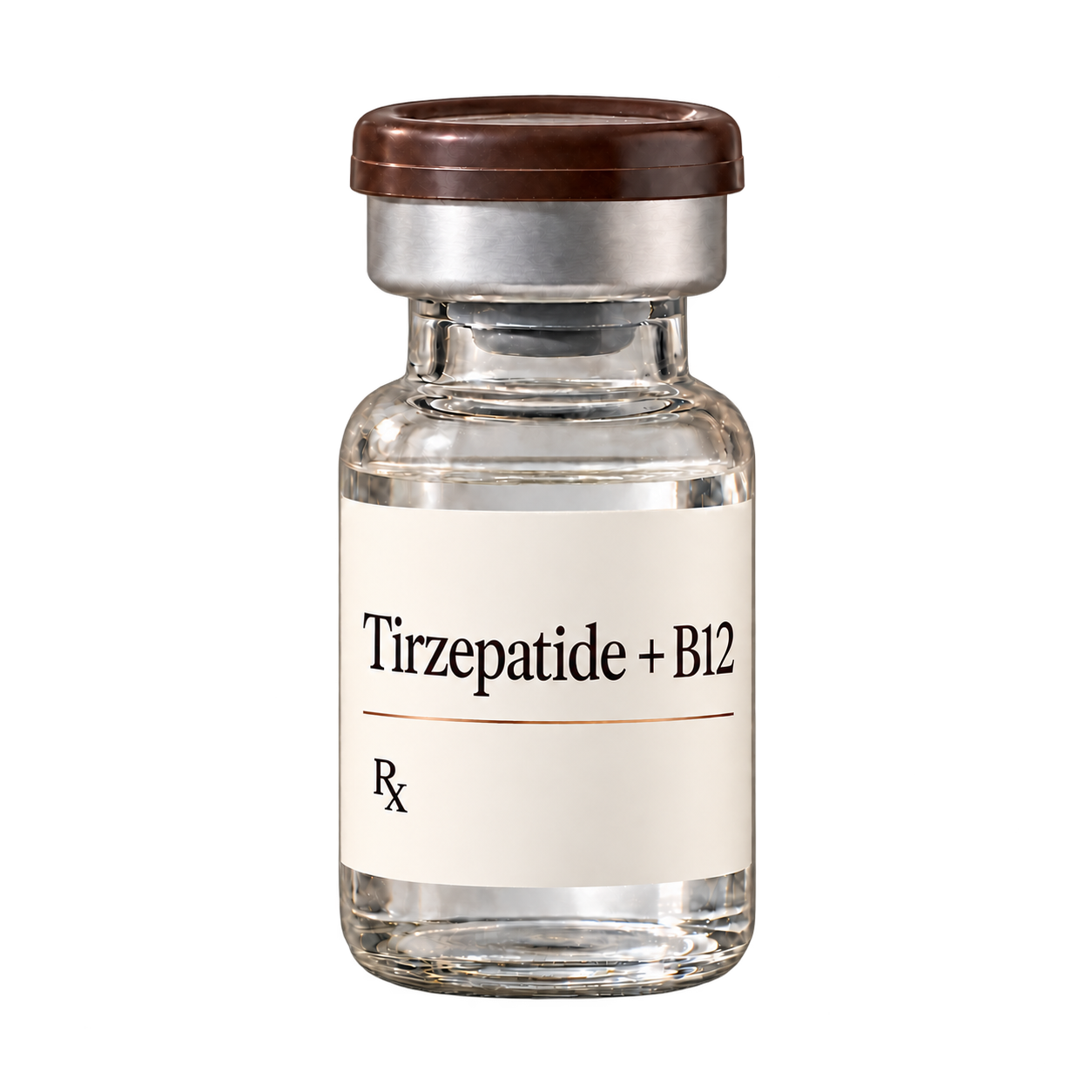
If you are looking for realistic Mounjaro results, the most accurate answer is that the timeline is usually gradual. Some people notice appetite changes early, while weight and metabolic changes often build over time as the dose is increased and your body adapts. Vitals Vault can help you explore tirzepatide options and set expectations, including what to monitor and when to check in with a clinician if results or side effects are not going as planned.
- Mounjaro results often start within weeks, but larger changes commonly build over months.
- Dose increases are gradual, so your response can change after each adjustment.
- Appetite changes may show up before the scale changes, especially early on.
- Side effects are most common during dose escalation and can affect consistency.
How long do Mounjaro results take?
Early changes: first weeks
In clinical trials of tirzepatide, weight reduction was observed by 4 weeks compared with placebo. Many people also notice earlier appetite changes, which can make it easier to eat less without feeling as hungry. Your experience can be slower or faster depending on dose and tolerability.
Bigger changes: months
Tirzepatide is typically titrated upward over time, and trial results show continued weight reduction across the study period. That means the most noticeable changes often build over months rather than days. If you are early in treatment, it is common for progress to feel uneven.
Longer horizon: up to 72 weeks
In the SURMOUNT-1 trial for obesity, outcomes were reported through 72 weeks, showing that changes can continue over a long period with ongoing treatment. This does not mean everyone will respond the same way, and it does not predict your individual result. It does show that the medication is studied over many months, not just a few weeks.
What affects your timeline
Dose and titration pace
Tirzepatide is increased in steps to improve tolerability, and the label describes a gradual dose escalation schedule. Because of that, the dose you are on early may not be the dose you stay on, and your appetite and weight response can change after each increase. If side effects limit dose increases, results may take longer.
Starting point and goals
People with higher starting weight or more insulin resistance may see a different pattern of change than someone starting closer to their goal. Trials report average changes across groups, but individuals vary widely. A clinician can help you pick meaningful markers beyond the scale.
Food intake and activity
Tirzepatide can reduce appetite and slow stomach emptying, which may help you eat less. Your day to day choices still matter, and consistency tends to beat perfection. If nausea or constipation changes what you can tolerate, your nutrition pattern may shift temporarily.
Side effects and adherence
Common gastrointestinal side effects include nausea, diarrhea, decreased appetite, vomiting, constipation, indigestion, and abdominal pain in the Mounjaro label. When side effects are not managed, people may skip doses or struggle to maintain routines, which can slow progress. Tell your clinician if side effects are persistent or worsening.
Other medications and conditions
Tirzepatide can affect blood sugar, and the risk of low blood sugar is higher when used with insulin or an insulin secretagogue such as a sulfonylurea, per the label. Some conditions and medications can also influence weight, appetite, and fluid balance. A clinician can review interactions and adjust monitoring.
What “results” you measure
Weight is one outcome, but people also care about waist size, cravings, and metabolic labs. In type 2 diabetes trials, tirzepatide improved A1C, which is a 2 to 3 month average of blood sugar. If you are tracking labs, ask your clinician which ones matter most for you and when to recheck.
| Milestone | What you might notice | What the evidence supports |
|---|---|---|
| First 1 to 4 weeks | Appetite changes and early scale movement for some | Weight reduction observed by 4 weeks in tirzepatide trials; individual variability is expected. |
| Dose escalation months | Progress may speed up or slow down after dose changes | Label uses gradual dose escalation; trials show continued average weight reduction over time. |
| Several months to 72 weeks | Longer-term trend becomes clearer | SURMOUNT-1 reports outcomes through 72 weeks; it describes group averages, not personal predictions. |
When to talk to a clinician
No progress after titration
If you have had multiple dose adjustments and still have no meaningful change in appetite, weight trend, or metabolic markers, ask for a review. A clinician can check adherence, side effects, other medications, and whether another approach fits better. They may also recommend lab monitoring based on your history.
Troublesome GI side effects
If nausea, vomiting, diarrhea, constipation, or abdominal pain is persistent or limits eating and drinking, check in. The label notes gastrointestinal adverse reactions are common, especially during dose escalation. Your clinician can help you decide whether to pause escalation, adjust supportive care, or reassess treatment.
Symptoms of low blood sugar
If you use insulin or a sulfonylurea, the label warns that hypoglycemia risk is increased when combined with tirzepatide. If you have symptoms such as shakiness, sweating, confusion, or faintness, contact your clinician promptly. Seek urgent care for severe symptoms.
Severe abdominal pain
The Mounjaro label warns about acute pancreatitis and gallbladder disease. Severe abdominal pain that does not go away, especially with vomiting or fever, needs urgent medical evaluation. Do not try to manage severe pain at home.
Neck mass or hoarseness
Tirzepatide has a boxed warning about risk of thyroid C-cell tumors in rodents, and it is contraindicated in people with a personal or family history of medullary thyroid carcinoma or MEN 2. If you notice a neck lump, trouble swallowing, or persistent hoarseness, contact a clinician.
Pro tips for tracking progress
Track trends, not single weigh-ins
Use weekly averages or the same day and time to reduce noise.
Log appetite and cravings
Noting hunger and fullness can show progress before the scale does.
Plan for dose-change weeks
Side effects can flare during escalation, so keep meals simple and consistent.
Use labs when appropriate
Ask your clinician which labs to monitor and how often to repeat them.
Bring specifics to check-ins
Share your weight trend, side effects, and what you are eating and tolerating.
Frequently Asked Questions
How does Mounjaro work?
Mounjaro (tirzepatide) activates two hormone receptors, GIP and GLP-1, which can reduce appetite and slow stomach emptying. In people with type 2 diabetes, it also improves blood sugar control. These effects can build as the dose is increased over time.
When do mounjaro results start?
In clinical trials of tirzepatide, weight reduction was observed by 4 weeks compared with placebo. Some people notice appetite changes earlier than that. Your timeline can vary based on dose escalation and side effects.
Why are my Mounjaro results slow?
Slow progress can happen if you are early in titration, if side effects limit dose increases, or if other medications and health conditions affect weight. Day to day fluid shifts can also mask fat loss on the scale. A clinician can help you review trends and decide what to monitor next.
Do Mounjaro results keep improving over time?
In the SURMOUNT-1 obesity trial, outcomes were reported through 72 weeks, showing changes can continue over many months. That reflects group averages and does not predict your personal outcome. Ongoing follow-up helps you decide whether benefits still outweigh side effects and risks.
What side effects can affect Mounjaro results?
The label lists common gastrointestinal side effects such as nausea, diarrhea, vomiting, constipation, indigestion, and abdominal pain, especially during dose escalation. If these limit eating and drinking or lead to missed doses, they can slow progress. Contact a clinician for persistent or severe symptoms.