
How long does semaglutide take to work?
How long does semaglutide take to work? It may curb appetite within weeks, but larger changes often take months as doses increase.
Key facts
- Semaglutide + B12 is $157/month (billed $157 every 4 weeks), charged only after a clinician approves it.
- Answer a few health questions online. A licensed clinician reviews them. If approved, it ships to your door.
- Adults 18 or older. A licensed clinician reviews your health history and decides whether treatment is appropriate for you. Availability depends on the state you live in.


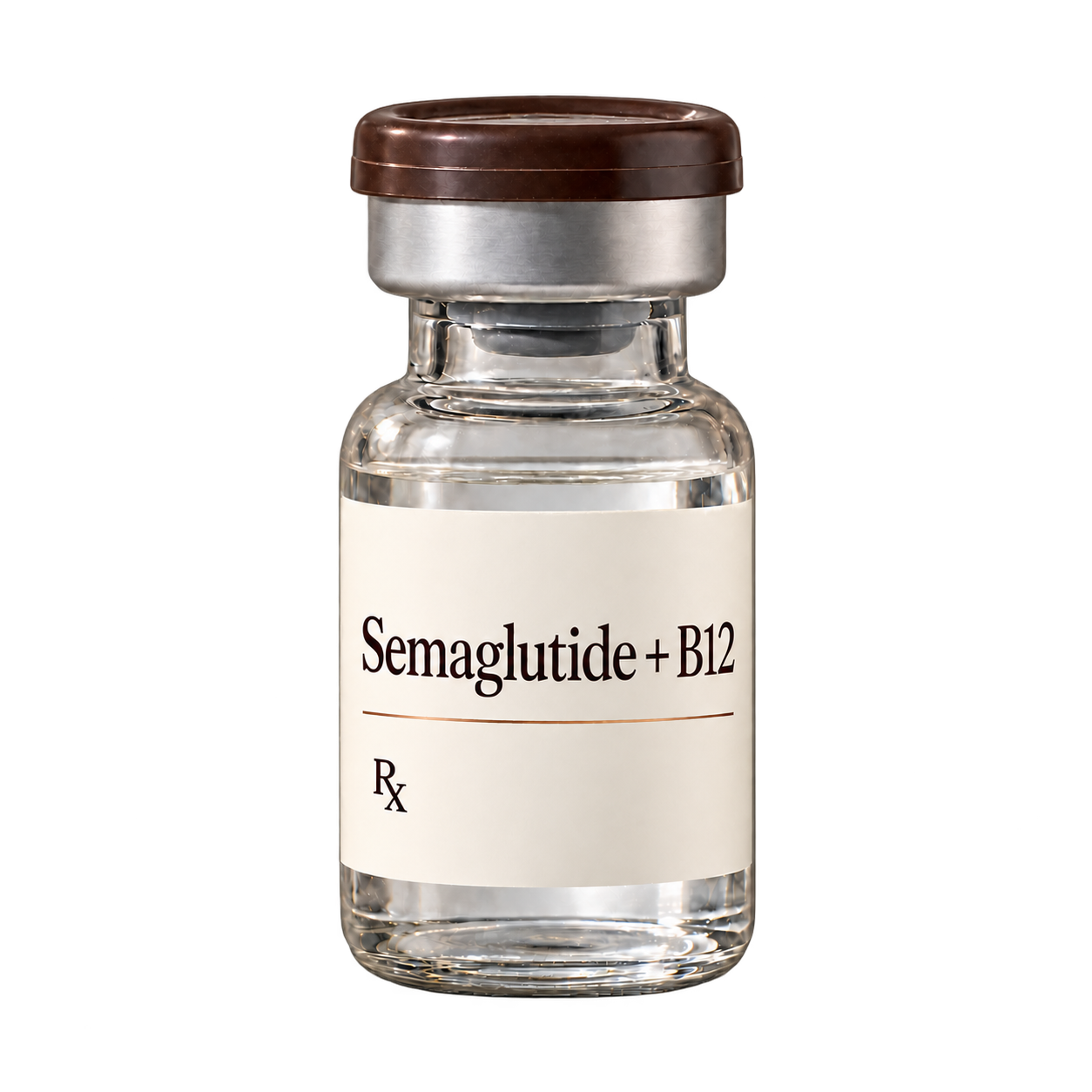
Semaglutide does not work overnight. Some people notice reduced appetite or feeling full sooner within the first few weeks, but the larger changes reported in clinical trials typically build over months as the dose is gradually increased. This page explains what studies and FDA labeling show about timing, why results vary, and what to watch for. If you are considering compounded semaglutide, Vitals Vault can connect you with clinician guided care where available.
- Semaglutide can affect appetite within weeks, but bigger changes often take months.
- Dose titration is gradual, so early weeks can feel subtle.
- Results vary with dose reached, consistency, and side effects.
- Severe belly pain or dehydration symptoms need urgent medical advice.
Answer: how soon semaglutide works
Weeks for appetite changes
Some people feel less hungry or get full sooner within the first few weeks. Semaglutide is a GLP-1 receptor agonist that affects appetite signaling and slows stomach emptying. The exact timing varies and is not guaranteed.
Months for larger changes
In chronic weight management studies of semaglutide 2.4 mg, average weight change continued to build over months and out to about a year and beyond. This reflects both medication effects and the time it takes to reach and stay on a maintenance dose.
Gradual dose increases matter
Semaglutide is typically increased stepwise to improve tolerability, especially gastrointestinal side effects. If you are still titrating, you may see slower or smaller changes early on compared with later weeks at a higher tolerated dose.
Blood sugar effects may appear earlier
In type 2 diabetes studies of semaglutide, A1C and glucose improvements were assessed over the first months of treatment. If you use semaglutide with insulin or a sulfonylurea, your clinician may monitor for low blood sugar risk.
What affects how fast semaglutide works
How quickly you reach a steady dose
Most people start at a low dose and increase gradually. If side effects limit dose increases, it can delay reaching the dose used in major weight management trials. Your clinician may adjust the pace based on tolerability and safety.
Consistency with weekly dosing
Missing doses can make medication levels less steady and effects feel less predictable. If you miss a dose, follow the instructions from your prescribing clinician and the product-specific guidance you were given. Do not double up unless you were told to.
Food choices and meal size
Semaglutide can reduce how much you want to eat, but what you eat still affects nausea, reflux, and constipation. The Wegovy label notes gastrointestinal adverse reactions are common, and many people find smaller meals easier to tolerate. Ask your clinician or dietitian for a plan that fits your history.
Activity, sleep, and stress
Physical activity supports metabolic health and can help preserve lean mass during weight loss. Poor sleep and high stress can increase hunger signals and make adherence harder. These factors can change how fast you notice progress even if the medication is working.
Other conditions and medicines
Some medicines and conditions can affect appetite, weight, and blood sugar. Semaglutide may still help, but your clinician may need to address contributing factors to set realistic expectations and choose the best option.
Side effects that slow progress
Nausea, vomiting, diarrhea, constipation, and abdominal pain are common with semaglutide and can affect eating and hydration. Persistent vomiting or inability to keep fluids down is not expected and should prompt medical advice. Your clinician can help adjust the plan to improve tolerability.
| Time on therapy | What you may notice | Why it happens |
|---|---|---|
| First few weeks | Earlier fullness, smaller portions, possible nausea or reflux | Early appetite and stomach-emptying effects; dose is still low |
| First few months | More consistent appetite control; changes become easier to measure | Dose titration continues; habits and adherence compound effects |
| Several months and beyond | Larger average changes reported in trials at maintenance dosing | Sustained GLP-1 activity plus long-term adherence |
A realistic timeline you can use
- 1
Weeks 1 to 4: look for early signals
Track appetite, portion size, and side effects, not just the scale.
- 2
Months 2 to 4: assess the trend
As dosing increases, look for steadier appetite control and measurable change.
- 3
Months 4 and beyond: review the plan
If progress is limited or side effects persist, discuss options and contributing factors.
When to talk to a clinician
Severe stomach pain
Contact a clinician urgently for severe, persistent abdominal pain, especially if it radiates to the back or comes with vomiting. This can be a warning sign for pancreatitis or gallbladder disease, which are listed risks with semaglutide products.
Dehydration or kidney concerns
If vomiting or diarrhea leads to dizziness, fainting, very dark urine, or you cannot keep fluids down, seek medical advice promptly. Dehydration can worsen kidney function, and acute kidney injury has been reported with GLP-1 receptor agonists.
Neck lump or hoarseness
Semaglutide carries a boxed warning about thyroid C-cell tumors based on rodent studies. Contact your clinician if you notice a lump in your neck, trouble swallowing, or persistent hoarseness.
Vision changes (diabetes)
If you have diabetes and notice new or worsening vision changes, tell your clinician. In trials, diabetic retinopathy complications were observed in some patients, particularly those with a history of retinopathy.
Slow results after titration
If you have reached a stable tolerated dose and still see little change over time, ask about adherence, side effects, other medicines, and whether another option is a better fit. Do not increase doses on your own.
Practical tips while you wait
Eat smaller, slower meals
Smaller meals can reduce nausea and help you notice fullness earlier.
Prioritize protein and fiber
They support satiety and can help preserve lean mass during weight loss.
Hydrate on purpose
Constipation and nausea are more likely when fluid intake drops.
Track side effects and triggers
Bring a simple log to check-ins so your clinician can adjust the plan.
Do not chase rapid changes
Dose increases are designed for tolerability and safety, not speed.
Frequently Asked Questions
How long does semaglutide take to work for weight loss?
In studies of semaglutide for chronic weight management, average weight change built over months as participants reached and stayed on maintenance dosing. Some people notice appetite effects earlier, but the overall timeline varies with titration, adherence, and side effects.
Why do I feel nothing on semaglutide at first?
Early doses are usually lower to improve tolerability, so effects can feel subtle at first. Appetite changes may be gradual, and side effects like constipation or nausea can make it hard to judge. If you are concerned, review expectations with your clinician.
Does semaglutide work right away on appetite?
It can, because semaglutide affects appetite signaling and slows stomach emptying. Many people notice earlier fullness within weeks, but not everyone does. Your response can depend on dose, meal patterns, and tolerability.
When should I talk to my clinician if results are slow?
If you have reached a stable tolerated dose and still see little change over time, it is reasonable to review adherence, side effects, and other medicines or conditions that affect weight. Contact your clinician sooner for severe abdominal pain, dehydration, or other warning symptoms listed in labeling.
Is compounded semaglutide the same as Ozempic or Wegovy?
Compounded medications are prepared by a licensed pharmacy for an individual prescription and are not FDA-approved. Brand products like Ozempic and Wegovy are FDA-approved and have specific studied formulations and labeling. Ask your clinician what to expect with your specific prescription.