
How to take Ozempic: label dosing and use
How to take Ozempic: take it once weekly as prescribed, follow label guidance for missed doses and injection sites, and ask your clinician about safety.
Key facts
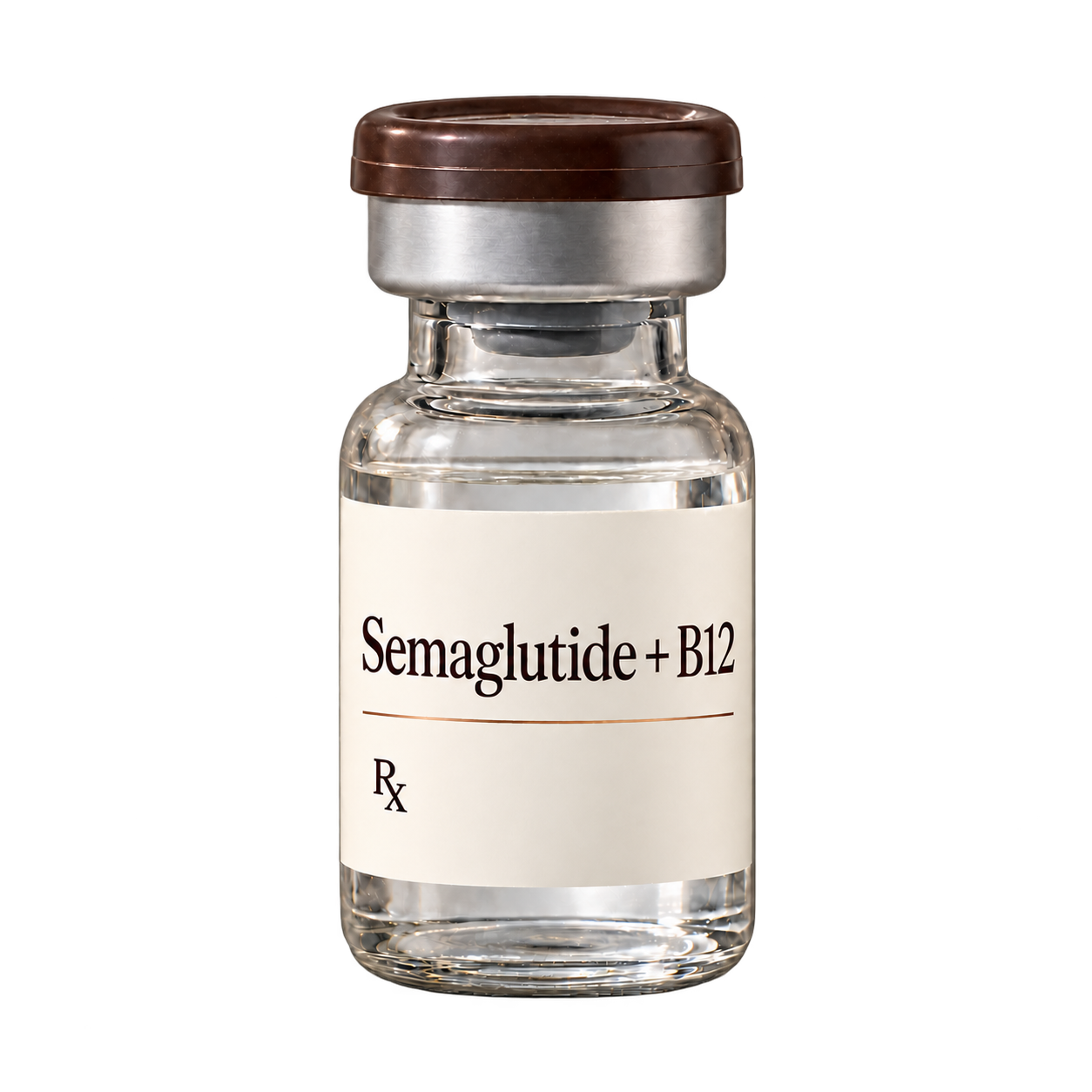
- Semaglutide + B12 is $157/month (billed $157 every 4 weeks), charged only after a clinician approves it.
- Answer a few health questions online. A licensed clinician reviews them. If approved, it ships to your door.
- Adults 18 or older. A licensed clinician reviews your health history and decides whether treatment is appropriate for you. Availability depends on the state you live in.


If you searched how to take Ozempic, start with the FDA prescribing information and the manufacturer Instructions for Use. They cover how often it is taken, what to do if you miss a dose, and where it can be injected. This page summarizes label basics for education only and does not replace your prescriber’s instructions. If you use compounded semaglutide instead of Ozempic, your clinician and dispensing pharmacy provide the exact directions. Vitals Vault also offers PocketMD to help you organize questions.
- How to take Ozempic is as a once-weekly injection under the skin, as prescribed.
- The label explains what to do for missed doses and changing your weekly day.
- Injection sites listed are abdomen, thigh, or upper arm, and you rotate sites.
- Do not share an Ozempic pen, even if you change the needle.
Quick answer: how to take Ozempic
How it is taken
Ozempic (semaglutide) is taken as a subcutaneous injection, meaning injected under the skin. The FDA label describes it as a once-weekly medicine taken on the same day each week, at any time of day, with or without meals. Your prescriber sets your dose and any dose changes.
Where to inject
The Instructions for Use list the abdomen, thigh, or upper arm as injection sites, and the label instructs you to rotate injection sites. A pharmacist or prescribing clinician should show you how to use the pen, and the Instructions for Use cover the steps.
If you miss a dose
The FDA label includes directions based on how many days have passed since the missed dose. If you are unsure what applies to you, contact your prescriber or pharmacist rather than guessing. Do not take extra doses to make up for a missed one unless your prescriber tells you to.
If you use compounded semaglutide
Ozempic is a brand product. Vitals Vault offers Semaglutide (compounded, injectable) as a compounded medication, not Ozempic. Compounded medications are prepared by a licensed pharmacy for an individual prescription and are not FDA-approved.
Dosing and use details from the label
| Topic | What the label says | What it means for you |
|---|---|---|
| How often | Once weekly, on the same day each week, at any time of day, with or without meals. | Plan for a consistent weekly routine and follow your prescriber’s plan. |
| Changing your weekly day | The day of weekly administration can be changed if the time between two doses is at least 2 days (more than 48 hours). | If you need to move your injection day, confirm timing with your prescriber. |
| Missed dose | If a dose is missed, administer as soon as possible within 5 days after the missed dose. If more than 5 days have passed, skip the missed dose and administer the next dose on the regularly scheduled day. | Use the label’s window to decide whether to take it or skip it, and ask your clinician if you are uncertain. |
| Where to inject | Subcutaneous injection in the abdomen, thigh, or upper arm. Rotate injection sites with each injection. | Rotate sites to reduce irritation and follow the Instructions for Use for technique. |
| Sharing pens | Do not share your Ozempic pen with other people, even if the needle has been changed. | Sharing can spread infections. Each pen is for one person only. |
Dose changes are clinician-set
The FDA label includes a dose-escalation schedule that a prescriber may use to improve tolerability. Your clinician may adjust based on side effects, blood sugar goals, and other medications. Do not change your dose without your prescriber’s direction.
Common stomach side effects
Nausea, vomiting, diarrhea, abdominal pain, and constipation are listed as common adverse reactions in the label. These effects are often most noticeable when starting or increasing the dose. Tell your clinician if symptoms are severe, persistent, or keep you from eating or drinking normally.
Low blood sugar risk
The label warns that hypoglycemia (low blood sugar) can occur, especially when Ozempic is used with insulin or an insulin secretagogue such as a sulfonylurea. Your prescriber may adjust other diabetes medicines to reduce risk. Seek urgent help if you have severe symptoms such as confusion or loss of consciousness.
Pancreatitis warning
The label warns about acute pancreatitis and instructs that Ozempic should be discontinued if pancreatitis is suspected. Pancreatitis can cause severe abdominal pain that may radiate to the back, with or without vomiting. If you have these symptoms, seek urgent medical evaluation.
Gallbladder problems
The label lists acute gallbladder disease as a warning and precaution. Gallbladder issues can cause right upper abdominal pain, fever, jaundice, or clay-colored stools. If you have had gallbladder surgery, discuss your history and current symptoms with your clinician before and during treatment.
Kidney injury from dehydration
The label warns about acute kidney injury, sometimes requiring hemodialysis, often in the setting of nausea, vomiting, diarrhea, or dehydration. If you cannot keep fluids down or you have decreased urination, contact a clinician promptly. This is especially important if you already have kidney disease.
When to talk to your clinician about taking Ozempic
Before you start
Ask whether Ozempic is appropriate if you have a personal or family history of medullary thyroid carcinoma (MTC) or if you have Multiple Endocrine Neoplasia syndrome type 2 (MEN 2), because the label lists these as contraindications. Also review any history of pancreatitis, gallbladder disease, kidney disease, or diabetic retinopathy.
If you are unsure about dosing
If you are wondering how much Ozempic you should take, bring your question to the prescribing clinician. The label provides a standard titration approach, but your clinician may individualize based on tolerability and other diabetes medicines. Do not self-adjust based on symptoms alone.
If you miss doses often
Frequent missed doses can increase side effects when you restart and can make your plan harder to follow. Your clinician can help troubleshoot reminders, travel planning, and whether a different approach fits better. Use the label’s missed-dose instructions as your baseline.
If you have severe symptoms
Seek urgent care for symptoms that could signal a serious problem, such as severe abdominal pain (possible pancreatitis), signs of an allergic reaction (swelling of face or throat, trouble breathing), or signs of dehydration with reduced urination. These are safety issues, not routine side effects.
Pro tips for staying on track
Keep a weekly cue
Tie your injection day to a repeating calendar reminder and one weekly habit.
Rotate sites
Use the label-listed sites and rotate to help reduce irritation.
Bring your med list
Low blood sugar risk is higher with insulin or sulfonylureas, so review all meds.
Ask before changing anything
If side effects flare, contact your prescriber instead of changing the dose yourself.
Use the Instructions for Use
Follow the manufacturer Instructions for Use and pharmacist training for pen steps.
Frequently Asked Questions
How do you take Ozempic?
Ozempic is taken as a once-weekly injection under the skin, on the same day each week, with or without meals. The Instructions for Use list injection sites and explain pen use, and your prescriber or pharmacist should show you how to use it.
How long can you take Ozempic?
The FDA label does not set a fixed maximum duration. How long you continue depends on why it was prescribed, how you respond, side effects, and your clinician’s ongoing assessment.
Should I take Ozempic?
Only a licensed clinician can tell you whether Ozempic is appropriate based on your diagnosis, other medications, and risks such as thyroid cancer history, pancreatitis, or gallbladder disease. Use the label and your medical history as the starting point for that discussion.
How much Ozempic should I take?
Your prescriber determines your dose and any changes. The FDA label includes a standard titration schedule, but it is not meant for self-adjustment, especially if you have side effects or take other diabetes medicines.
Can I take Ozempic after gallbladder removal?
The label warns about acute gallbladder disease with semaglutide, so a history of gallbladder problems is important to discuss. Having your gallbladder removed does not automatically rule it out, but your clinician should weigh your history and current symptoms.