
Best time to take Ozempic: what matters most
The best time to take Ozempic is a weekly day and time you can repeat. It can be taken any time of day, with or without meals.
Key facts
- Semaglutide + B12 is $157/month (billed $157 every 4 weeks), charged only after a clinician approves it.
- Answer a few health questions online. A licensed clinician reviews them. If approved, it ships to your door.
- Adults 18 or older. A licensed clinician reviews your health history and decides whether treatment is appropriate for you. Availability depends on the state you live in.


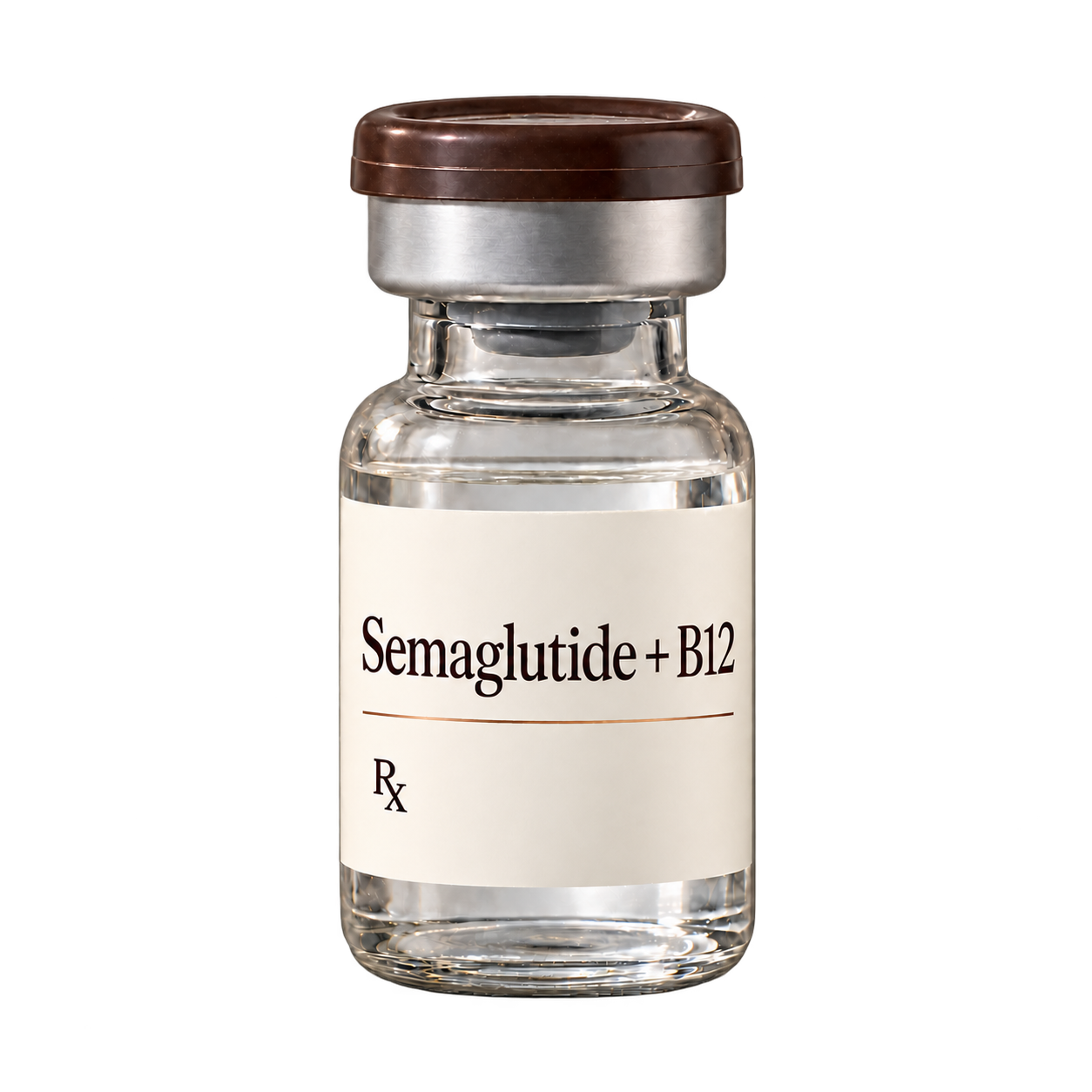
For most people, the best time to take Ozempic is the time you can repeat every week. The FDA label does not require a specific time of day or a specific relationship to meals, so consistency and a plan for missed doses matter most. This guide summarizes what the label says about weekly timing, changing your dosing day, and missed doses. It also covers when side effects or blood sugar concerns should prompt a clinician check-in.
- The best time to take Ozempic is a weekly day and time you can repeat consistently.
- The label allows dosing any time of day, with or without meals.
- If you miss a dose, follow the label timing window and do not double up.
- Injection site options are abdomen, thigh, or upper arm per Instructions for Use.
Best time to take Ozempic
Morning or evening both work
The label does not require morning dosing or bedtime dosing. Choose a time when you are least likely to forget. Early on, pick a time when you can pay attention to how you feel afterward.
Meals do not control timing
Ozempic can be taken with or without food. If nausea is an issue, talk with your clinician about symptom strategies rather than changing timing repeatedly. Consistency usually makes routines easier to follow.
Consistency helps avoid misses
A steady weekly routine reduces accidental delays. If you need to change your dosing day, the label includes spacing rules to keep doses far enough apart. When in doubt, confirm the plan with your prescriber or pharmacist.
How to choose your weekly timing
Start with your calendar
Pick a day you can protect most weeks, like a weekend morning or a weekday evening. The goal is repeatability because Ozempic is intended for once-weekly use. A consistent schedule also makes it easier to notice patterns in side effects.
If you miss a dose
The FDA label gives specific guidance for missed doses, including when to take it and when to skip and resume your regular schedule. Do not take extra doses to make up for a missed one. If you are unsure how the window applies to you, contact your prescriber or pharmacist.
If you want to change days
The label allows changing your weekly dosing day if the time between two doses is at least 2 days (more than 48 hours). If you are trying to move your schedule because of side effects or other medical issues, involve your clinician. They can help you make a safe plan.
Time of day vs injection site
Where you inject is separate from what time you inject. The Ozempic Instructions for Use list the abdomen, thigh, or upper arm as injection sites, and your clinician or pharmacist should show you how to use the pen. Follow the Instructions for Use for the full administration steps.
If you use compounded semaglutide
Compounded semaglutide is not Ozempic and does not come with the Ozempic pen Instructions for Use. Your prescribing clinician and dispensing pharmacy should provide product-specific administration, storage, and timing guidance. Compounded medications are not FDA-approved.
| Situation | What the label says | What it means for you |
|---|---|---|
| Once-weekly dosing | Administer once weekly, any time of day, with or without meals. | Choose a weekly time you can keep, regardless of meals. |
| Changing the day of the week | The day can be changed if the time between two doses is at least 2 days (more than 48 hours). | If you move your dose, keep enough time between doses to avoid crowding them. |
| Missed dose | If a dose is missed, administer as soon as possible within 5 days after the missed dose. If more than 5 days have passed, skip the missed dose and administer the next dose on the regularly scheduled day. | If you are within the label window, you may be able to take it. Otherwise, skip and return to your usual day. |
When to talk to a clinician about timing
Frequent nausea or vomiting
If symptoms are persistent, lead to dehydration, or make it hard to eat or drink, contact your clinician. They can review whether your schedule, dose progression, or other medications are contributing. They can also help you decide whether a timing change is appropriate.
Low blood sugar concerns
Ozempic can increase the risk of hypoglycemia when used with insulin or insulin secretagogues such as sulfonylureas. If you have symptoms like shakiness, sweating, or confusion, seek medical advice promptly. Your clinician may adjust other diabetes medicines and monitoring.
Severe stomach pain
Severe abdominal pain that may radiate to the back, with or without vomiting, can be a warning sign of pancreatitis. This is urgent and should be evaluated right away. Do not try to solve severe pain by changing injection timing.
Gallbladder or kidney symptoms
Right upper abdominal pain, fever, or jaundice can suggest gallbladder disease, and reduced urination or swelling can suggest kidney problems. These warrant prompt medical evaluation, especially if you have ongoing vomiting or dehydration. Your clinician can decide whether timing or other changes are needed.
A neck lump or hoarseness
Semaglutide carries a boxed warning about thyroid C-cell tumors in rodents, and it is unknown whether this risk applies to humans. Report a neck mass, trouble swallowing, or persistent hoarseness to a clinician. Timing changes do not address this risk.
Practical pro tips for sticking to your schedule
Use a weekly reminder
Set a recurring phone alarm for the same day and time each week.
Link it to a routine
Pair dosing with a weekly habit you already do consistently.
Plan for travel
Before trips, ask your pharmacist about storage and transport for your product.
Track side effects briefly
Note nausea, appetite changes, and bowel changes to discuss at check-ins.
Ask before changing days
If you need a new schedule, confirm it fits the label spacing rules.
Frequently Asked Questions
When is the best time to take Ozempic?
The best time to take Ozempic is the weekly day and time you can follow consistently. The FDA label says it can be taken any time of day, with or without meals. If you need to change days, follow the label spacing rules.
Should I take Ozempic in the morning or at night?
The label does not require morning or night dosing. Pick a time you are least likely to miss and that fits your routine. If side effects are driving timing changes, discuss it with your clinician.
Do I need to take Ozempic with food?
No. The FDA label says Ozempic can be taken with or without meals. If nausea is an issue, a clinician can help you adjust your overall plan safely. Avoid changing timing repeatedly without guidance.
What happens if I miss my Ozempic dose?
The FDA label says to take a missed dose as soon as possible within 5 days. If more than 5 days have passed, skip it and take your next dose on your regular day. If you are unsure, contact your prescriber or pharmacist.
Where do you inject Ozempic, and does that affect timing?
The Ozempic Instructions for Use list the abdomen, thigh, or upper arm as injection sites. Your clinician or pharmacist should show you how to use the pen, and the Instructions for Use cover the steps. Injection site choice does not set a required time of day.