
Ozempic results: how long does it take to work?
Ozempic results can start with appetite and blood sugar changes within weeks, but weight change is gradual and varies by dose.
Key facts
- Semaglutide + B12 is $157/month (billed $157 every 4 weeks), charged only after a clinician approves it.
- Answer a few health questions online. A licensed clinician reviews them. If approved, it ships to your door.
- Adults 18 or older. A licensed clinician reviews your health history and decides whether treatment is appropriate for you. Availability depends on the state you live in.





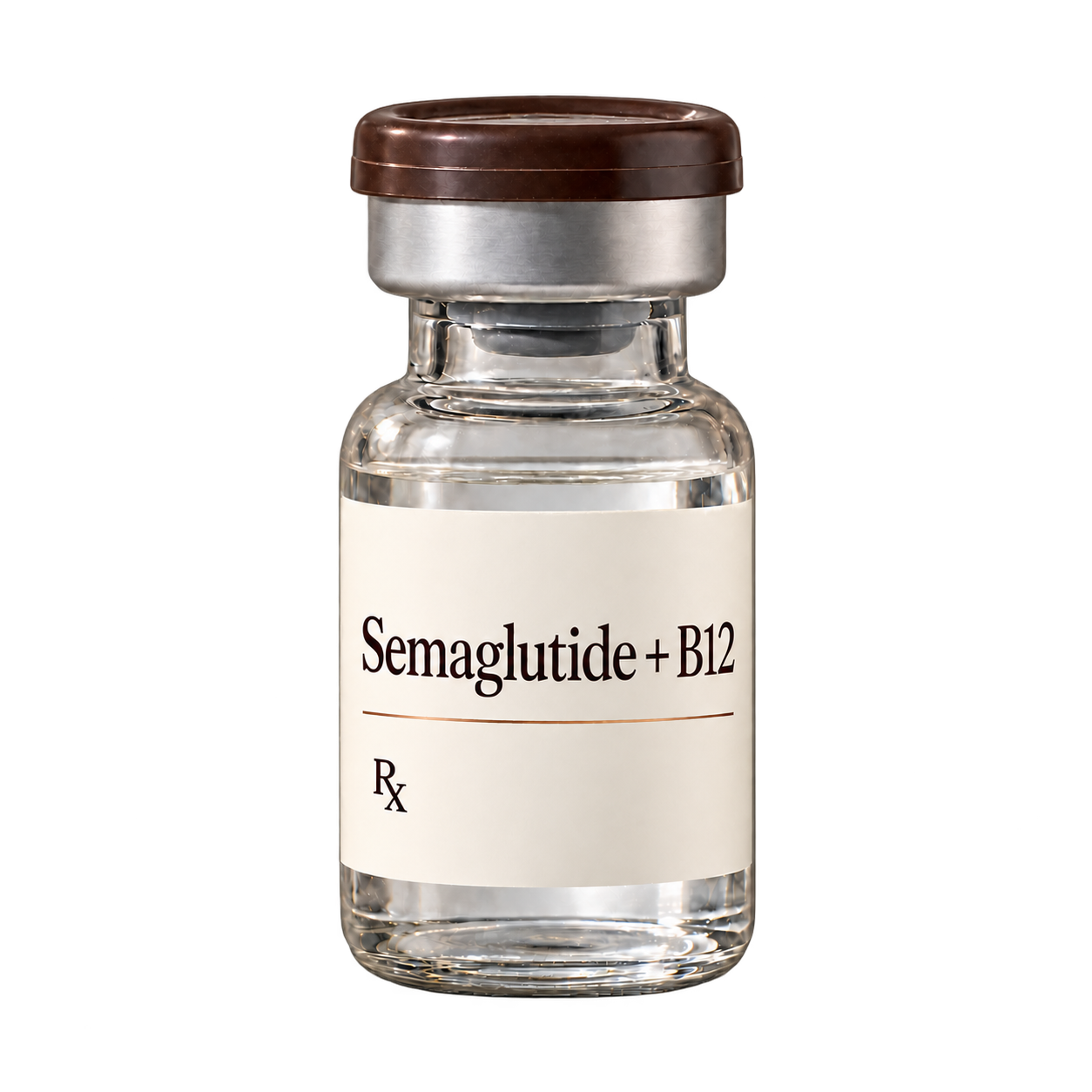
If you are searching for ozempic results, you are usually trying to set expectations for how soon you might notice appetite changes, blood sugar changes, or weight change. The short answer is that some effects can start within weeks, but meaningful weight change is typically gradual and depends on how your dose is increased over time. This page explains what studies and the prescribing information show about timing, why results vary, and when to check in with a clinician.
- Ozempic results often start within the first few weeks, but weight change is gradual over months.
- Semaglutide levels build over time, and dose increases are designed to improve tolerability.
- Early effects are often reduced appetite and better blood sugar, not immediate scale changes.
- Results vary with dose, side effects, adherence, diet, activity, and other medications.
How long do Ozempic results take?
Some effects can start early
In the first few weeks, many people notice reduced appetite, feeling full sooner, and improved blood sugar readings. Weight change can happen early for some people, but it is often not dramatic at the very beginning. The dose is usually increased gradually, which can delay bigger changes.
Weight change is usually gradual
In clinical trials of semaglutide used for type 2 diabetes, weight change was assessed over many months, not days. That is because the medication is taken long term and the dose may be stepped up over time. Your starting weight, eating pattern, and activity level can all affect the pace.
The medication builds in your system
Semaglutide has a long half-life, and steady levels are reached after several weeks of once-weekly dosing. This is one reason results can feel like they build rather than happen overnight. Missing doses can slow or interrupt that buildup.
What affects how fast results show up
| Factor | How it can change your timeline | What to discuss with a clinician |
|---|---|---|
| Dose escalation and tolerability | Ozempic is typically started at a low dose and increased over time to reduce side effects, so stronger effects may come later. | If nausea or vomiting is limiting you, whether dose timing or supportive strategies are appropriate. |
| Medication levels over time | Semaglutide reaches steady state after about 4 to 5 weeks of once-weekly dosing, so effects may build gradually. | What to do if you miss a dose and how to avoid gaps in therapy. |
| Diet and activity changes | Semaglutide can help reduce appetite, but food choices and activity still influence weight and metabolic outcomes. | A realistic nutrition and activity plan you can sustain, especially during dose increases. |
| Other health conditions and medications | Conditions like hypothyroidism, sleep apnea, or certain medications can affect weight and energy balance. | Whether any medications might contribute to weight gain or low blood sugar risk. |
| Side effects and hydration | GI side effects can reduce intake and change the scale quickly at first, but that may reflect fluid shifts, not fat loss. | How to manage nausea, constipation, or diarrhea and when symptoms need evaluation. |
Common early side effects
Nausea, vomiting, diarrhea, abdominal pain, and constipation are among the most common side effects in the Ozempic prescribing information. These can be more noticeable during dose increases and may affect how quickly you can titrate. If side effects are persistent or severe, contact your prescriber.
Low blood sugar risk with insulin
Ozempic can increase the risk of hypoglycemia (low blood sugar) when used with insulin or insulin secretagogues such as sulfonylureas. If you use these medicines, your clinician may adjust other diabetes medications and ask you to monitor more closely. Seek urgent help for severe symptoms such as confusion or loss of consciousness.
Pancreatitis warning
Acute pancreatitis has been reported with GLP-1 receptor agonists, including semaglutide. Get medical care right away for severe abdominal pain that may radiate to the back, with or without vomiting. Do not restart a GLP-1 medication unless your clinician tells you it is safe.
Gallbladder problems
Gallbladder disease, including cholelithiasis (gallstones), has been reported with semaglutide. Contact a clinician for upper abdominal pain, fever, jaundice, or clay-colored stools. Rapid weight change can also affect gallstone risk, so symptoms should be evaluated.
Kidney injury from dehydration
Acute kidney injury has been reported, sometimes in people who had nausea, vomiting, diarrhea, or dehydration. If you cannot keep fluids down, feel faint, or have reduced urination, seek prompt medical care. Your clinician may want to check kidney function.
Thyroid C-cell tumor boxed warning
Semaglutide has a boxed warning about risk of thyroid C-cell tumors based on rodent studies. It is contraindicated if you or a family member has medullary thyroid carcinoma or if you have MEN 2 (multiple endocrine neoplasia syndrome type 2). Report a neck lump, hoarseness, trouble swallowing, or shortness of breath.
When to talk to a clinician about your timeline
No progress after dose increases
If you have reached a stable, tolerated dose and still see no meaningful changes in appetite, blood sugar, or weight over time, it is reasonable to reassess. Your clinician may review adherence, diet, activity, sleep, and other medications. They can also discuss alternative GLP-1 or GIP and GLP-1 options.
Side effects limit dose escalation
If nausea, vomiting, constipation, or diarrhea is keeping you from increasing the dose as planned, check in. Sometimes timing, diet adjustments, or other supportive care can help, but persistent symptoms need evaluation. Severe or worsening abdominal pain should be treated as urgent.
Symptoms of low blood sugar
Shakiness, sweating, fast heartbeat, confusion, or fainting can be signs of hypoglycemia, especially if you also use insulin or a sulfonylurea. Do not try to self-adjust diabetes medications. Contact your clinician promptly, and seek emergency care for severe symptoms.
Possible pancreatitis or gallbladder symptoms
Severe abdominal pain, pain that moves to your back, repeated vomiting, fever, or jaundice should be evaluated right away. These are not normal adjustment symptoms. Your clinician will decide whether semaglutide should be stopped and what testing is needed.
Practical tips to stay on track
Pick a weekly routine
Taking your dose on the same day each week can help you avoid missed doses.
Track more than weight
Appetite, cravings, and blood sugar trends can show change before the scale does.
Plan for GI side effects
Smaller meals and slower eating may help nausea during dose increases.
Hydrate consistently
If you have vomiting or diarrhea, dehydration can worsen how you feel and raise kidney risk.
Use clinician check-ins
Bring your timeline questions to follow-ups so dosing and goals stay realistic.
Frequently Asked Questions
How long does it take for Ozempic to work?
Some people notice appetite and blood sugar changes within the first few weeks, but weight change is usually more gradual. Semaglutide reaches steady levels after about 4 to 5 weeks of once-weekly dosing, and dose increases can shift when you feel stronger effects.
How long does Ozempic take to work for weight loss?
In studies, weight outcomes are typically assessed over months because the dose is increased gradually and the medication builds in your system. Your timeline can vary based on tolerability, adherence, diet, activity, and other health conditions.
When does Ozempic start working?
Ozempic can start affecting appetite and blood sugar early, sometimes within weeks. Weight change may lag behind those early signals, especially while you are still on lower doses. If you are not noticing any changes over time, discuss it with your clinician.
How fast does Ozempic start working?
Ozempic is not an instant medication, and it is not designed for rapid results. Because semaglutide has a long half-life and reaches steady state after several weeks, effects often build gradually. Faster is not always better, since side effects can increase with dose changes.
Why do my Ozempic results feel slower than expected?
Slower-than-expected ozempic results can happen if you are still early in dose escalation, missing doses, or limited by side effects. Other medications, sleep, stress, and medical conditions can also affect weight and blood sugar trends. Ask your clinician what checkpoints make sense for you.