
Can you take ozempic while pregnant?
Can you take Ozempic while pregnant? Usually no. It is not recommended in pregnancy, so stop before trying to conceive and call your clinician.
Key facts
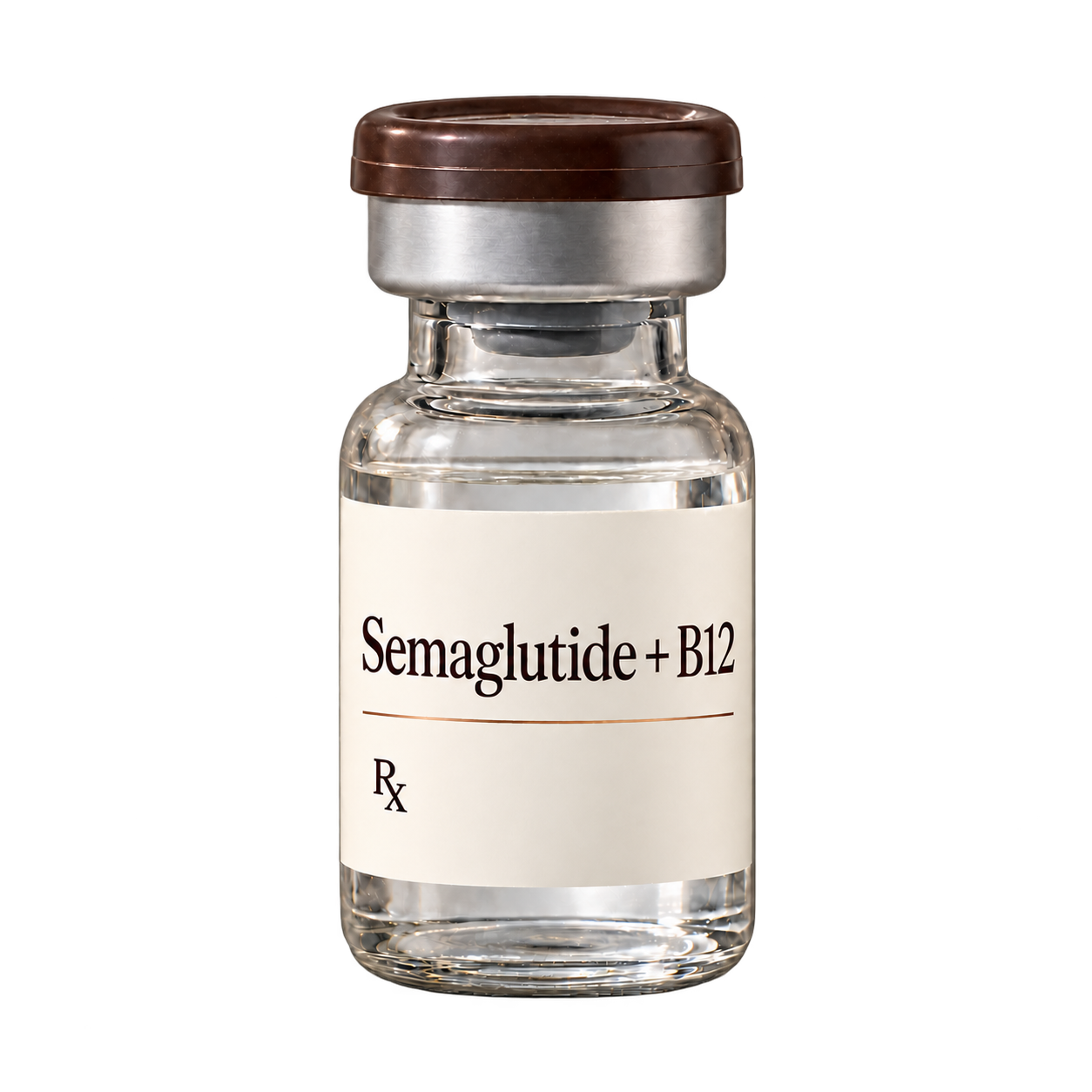
- Semaglutide + B12 is $157/month (billed $157 every 4 weeks), charged only after a clinician approves it.
- Answer a few health questions online. A licensed clinician reviews them. If approved, it ships to your door.
- Adults 18 or older. A licensed clinician reviews your health history and decides whether treatment is appropriate for you. Availability depends on the state you live in.


If you are pregnant or trying to become pregnant, Ozempic (semaglutide) is generally not recommended. The prescribing information advises stopping semaglutide ahead of a planned pregnancy because it can remain in your system for weeks. This page explains what the label says, what is known and unknown about pregnancy risk, and when to seek care. If you want help applying this to your own history and medications, Vitals Vault offers PocketMD as a place to ask questions and get guidance on when to see a clinician.
- In general, you should not take Ozempic while pregnant; it is not recommended during pregnancy.
- If you become pregnant while using semaglutide, contact your prescribing clinician promptly for next steps.
- Semaglutide stays in the body for weeks, so labels advise stopping it well before trying to conceive.
- Animal studies showed embryo fetal harm at clinically relevant exposures; human pregnancy data are limited.
Can you take Ozempic while pregnant?
Why the label discourages use
Semaglutide caused embryo fetal harm in animal studies at exposures relevant to human dosing. Because weight loss offers no benefit in pregnancy and may harm the fetus, labels advise against using weight loss medicines during pregnancy.
Planned pregnancy timing matters
Semaglutide has a long half-life, meaning it can take weeks to clear. The Ozempic label advises stopping semaglutide at least 2 months before a planned pregnancy.
Human data are limited
There is not enough high-quality human pregnancy data to fully define risk. That uncertainty is part of why clinicians typically recommend stopping and switching to pregnancy-appropriate care.
What to know about semaglutide, pregnancy, and safety
- Pregnancy recommendation (Ozempic label)
- Not recommended during pregnancy; stop at least 2 months before planned pregnancy.
- Why stopping early is advised
- Semaglutide remains in the body for weeks due to its long half-life.
- Evidence base
- Animal reproduction studies showed fetal harm; human data are limited.
- If exposure occurs
- Contact your clinician promptly to discuss risks, alternatives, and monitoring.
Ozempic vs compounded semaglutide
Ozempic is a brand product (FDA-approved semaglutide injection). Some people receive compounded semaglutide, which is prepared by a licensed pharmacy for an individual prescription and is not FDA-approved; pregnancy precautions should be discussed with the prescribing clinician.
If you used it before knowing
Do not panic, but do not ignore it. Contact your obstetric clinician or the prescriber who manages your semaglutide to review timing of exposure, other medications, and your pregnancy plan.
Breastfeeding is a separate question
Pregnancy and breastfeeding guidance are not identical. The Ozempic label includes lactation information and advises weighing benefits and potential risks; your clinician can help you decide what is appropriate postpartum.
Low blood sugar risk with other diabetes drugs
Semaglutide alone has a low risk of hypoglycemia, but risk can increase if used with insulin or a sulfonylurea. If you have diabetes and become pregnant, medication changes should be clinician-directed to protect you and the fetus.
Serious symptoms to take seriously
Seek urgent care for severe persistent abdominal pain (with or without vomiting), which can be a sign of pancreatitis, or for signs of dehydration with reduced urination. These warnings appear in semaglutide labeling and matter in pregnancy too.
How long semaglutide can affect your body
It can take weeks to clear
Semaglutide is long-acting, so it does not leave your system quickly after the last dose. The Ozempic label advises stopping at least 2 months before a planned pregnancy to reduce fetal exposure.
Symptoms may not stop immediately
Nausea, vomiting, and appetite changes can persist for a period after stopping, especially if you recently increased dose. In pregnancy, persistent vomiting or inability to keep fluids down warrants prompt medical advice.
Restarting is not a pregnancy plan
If you stop semaglutide due to pregnancy, decisions about restarting are usually made postpartum and depend on breastfeeding plans, diabetes control, and overall health.
When to contact a clinician or seek urgent care
You are pregnant or might be
If you have a positive pregnancy test, a missed period, or pregnancy symptoms while using semaglutide, contact your prescribing clinician promptly. They can review exposure timing and coordinate care with your OB clinician.
You are trying to conceive
Talk with your clinician before you start trying. The Ozempic label advises stopping semaglutide at least 2 months before a planned pregnancy, and your clinician can help plan alternatives.
Severe abdominal pain
Get urgent evaluation for severe, persistent abdominal pain, with or without vomiting. Semaglutide labeling warns about pancreatitis and gallbladder disease, and pregnancy can have overlapping symptoms that still need prompt assessment.
Dehydration or reduced urination
Seek care if vomiting or diarrhea leads to signs of dehydration, dizziness, or reduced urination. Semaglutide labeling warns about acute kidney injury in the setting of severe gastrointestinal symptoms.
Diabetes management changes
If you have diabetes, do not make medication changes on your own when pregnant. Your clinician may adjust therapy to maintain safe glucose control during pregnancy.
Practical tips if pregnancy is possible
Bring a medication list
Include prescriptions, supplements, and any recent dose changes when you talk with your OB clinician or prescriber.
Ask about safer alternatives
If you used semaglutide for diabetes or weight, ask what options are appropriate during pregnancy for your situation.
Discuss timing before conception
If you are planning pregnancy, ask about the label recommendation to stop semaglutide at least 2 months beforehand.
Know what product you have
Ozempic is a brand product; compounded semaglutide is not FDA-approved and may differ by pharmacy.
Frequently Asked Questions
Can you take ozempic while pregnant?
In general, Ozempic is not recommended during pregnancy. If you are pregnant or become pregnant while using semaglutide, contact your prescribing clinician promptly to discuss safer alternatives and monitoring.
What if I took Ozempic before I knew I was pregnant?
Contact your OB clinician or the prescriber who manages your semaglutide as soon as you can. They can review timing of exposure and help you weigh risks and next steps based on the Ozempic prescribing information.
How long before trying to conceive should semaglutide be stopped?
The Ozempic label advises stopping semaglutide at least 2 months before a planned pregnancy. This is because semaglutide can remain in the body for weeks after the last dose.
Is compounded semaglutide the same as Ozempic in pregnancy?
No. Ozempic is an FDA-approved brand product, while compounded semaglutide is prepared by a licensed pharmacy for an individual prescription and is not FDA-approved. Pregnancy planning and risk discussions should be clinician-led for either product.
Can I use PocketMD to decide what to do next?
PocketMD can help you organize questions and understand when to see a clinician based on your health history, but it is not a doctor and not for emergencies. For pregnancy exposure to semaglutide, you should still contact your clinician promptly.