
How long does it take to lose weight on Ozempic?
How long does it take to lose weight on Ozempic? It varies. Studies show changes can start within weeks, with larger changes over months.
Key facts
- Semaglutide + B12 is $157/month (billed $157 every 4 weeks), charged only after a clinician approves it.
- Answer a few health questions online. A licensed clinician reviews them. If approved, it ships to your door.
- Adults 18 or older. A licensed clinician reviews your health history and decides whether treatment is appropriate for you. Availability depends on the state you live in.


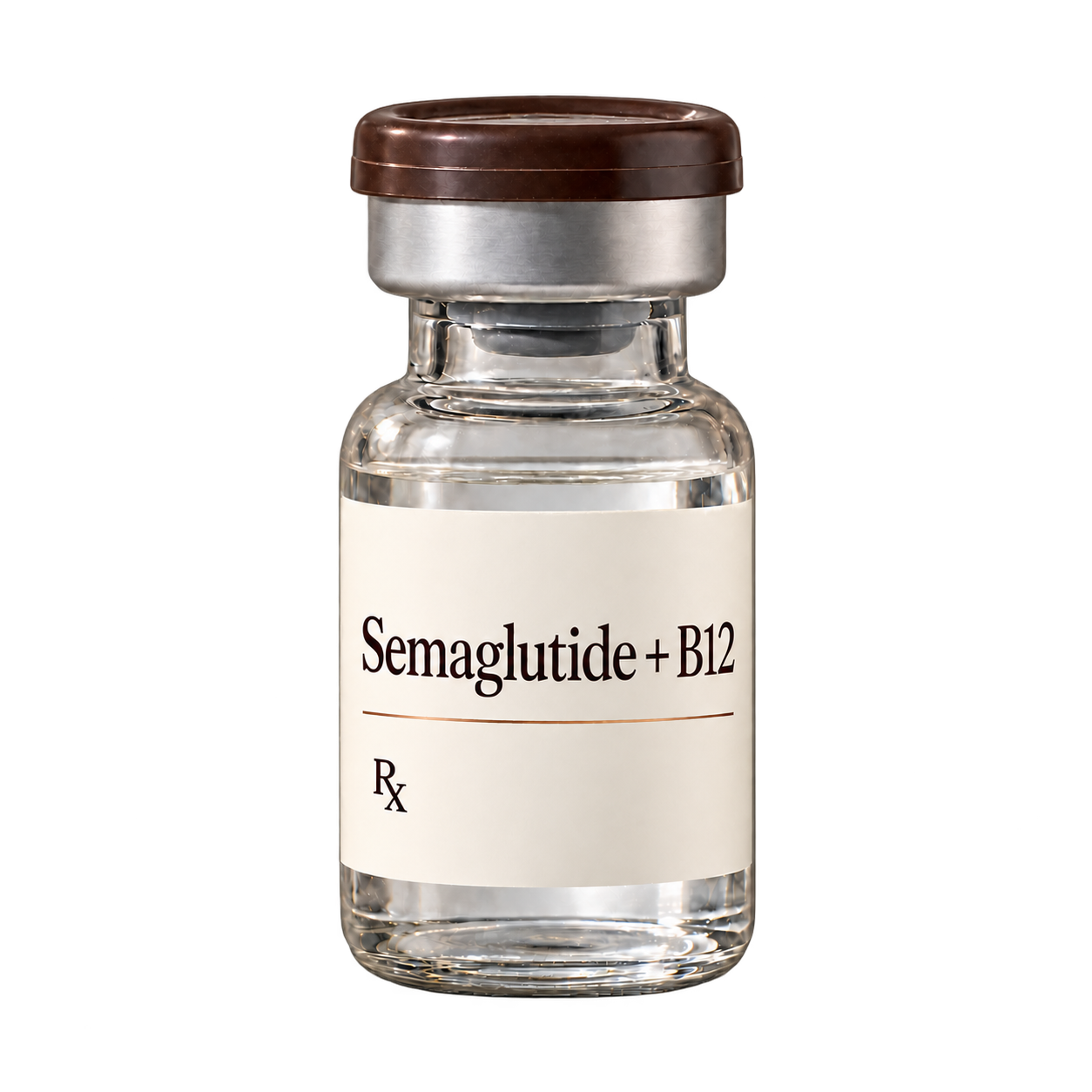
If you are asking how long does it take to lose weight on Ozempic, the most honest answer is: it varies, but studies of semaglutide show weight loss can start within weeks and tends to increase over several months. This page explains what research and prescribing information suggest about the typical timeline and why it differs person to person. Vitals Vault also offers access to compounded semaglutide care with clinician guidance, which is not the brand Ozempic and is not FDA-approved.
- In studies, weight loss on semaglutide often begins within weeks and builds over months.
- Early changes can be small while your dose is gradually increased to reduce side effects.
- Your starting weight, dose, diet, activity, and side effects can change the timeline.
- If you have severe belly pain, vomiting, or dehydration, contact a clinician urgently.
Answer: what the timeline usually looks like
Weeks 1 to 4
Many people notice appetite changes first, and weight may start to trend down within the first several weeks. In clinical trials of semaglutide used for weight management, weight loss was measurable early and continued to accumulate over time. Your experience can be slower or faster depending on dose and tolerability.
Months 2 to 4
This is often when weight change becomes more noticeable because dose titration is further along and routines are more consistent. In trials, the weight curve generally continues downward through this period. If side effects limit eating or hydration, your clinician may adjust the plan to keep you safe.
Months 5 to 12
In longer studies, weight loss with semaglutide continued over many months, with the largest average changes seen later in treatment rather than in the first few weeks. This does not mean weight always drops every week. Plateaus can happen even when the medication is working.
Beyond a year
Evidence suggests ongoing treatment helps maintain weight loss, while stopping semaglutide can lead to weight regain for many people. If you are thinking about stopping or changing therapy, it is worth planning next steps with a clinician so you have a maintenance strategy.
What affects how fast you lose weight
Dose titration and side effects
Semaglutide is typically started at a low dose and increased gradually to improve tolerability, which can make early weight loss slower. Nausea, vomiting, diarrhea, constipation, and abdominal pain are among the most common side effects in semaglutide studies and labeling. If side effects are persistent, your clinician may slow titration or reassess the plan.
Your starting weight and health
People with higher starting body weight may see larger absolute changes on the scale, while percent change can look different between individuals. Conditions such as sleep apnea, hypothyroidism, depression, and certain medications can also affect appetite, energy, and water balance. A clinician can help interpret what is medication effect versus something else.
Food pattern and protein intake
Semaglutide reduces appetite and slows stomach emptying, which can make smaller meals feel more comfortable. If you undereat protein or skip meals, you may feel weak and have trouble sustaining activity, which can affect progress. A clinician or dietitian can help you choose a plan that supports steady nutrition while on a GLP-1.
Activity and muscle preservation
Resistance training and regular movement help preserve lean mass during weight loss. In trials, semaglutide was paired with lifestyle changes, so the timeline you see in studies reflects both medication and behavior. If fatigue or nausea makes exercise hard, ask about adjustments that improve tolerability.
Sleep, stress, and alcohol
Poor sleep and high stress can increase hunger signals and make cravings harder to manage, even with medication. Alcohol can worsen nausea for some people and adds calories that are easy to underestimate. If your weight loss is slower than expected, these factors are common, fixable contributors.
Medical risks that change the plan
Semaglutide has important warnings, including risk of thyroid C-cell tumors in rodents and a contraindication in people with a personal or family history of medullary thyroid carcinoma or MEN 2. It also carries warnings for pancreatitis, gallbladder disease, acute kidney injury (often related to dehydration), and hypoglycemia when used with insulin or insulin secretagogues. These risks can affect whether treatment is appropriate and how closely you are monitored.
| Factor | How it can change the timeline | What to discuss with a clinician |
|---|---|---|
| Dose increases and tolerability | Slower titration can delay noticeable scale changes. | Whether side effects warrant a slower schedule or different approach. |
| Eating pattern and hydration | Very low intake can cause fatigue, constipation, or dehydration, disrupting progress. | Ways to manage nausea, constipation, and fluid intake safely. |
| Other medications and conditions | Some drugs and conditions promote weight gain or fluid retention. | Medication review and screening for contributors like sleep issues. |
| Lifestyle consistency | Studies combine semaglutide with diet and activity changes. | A realistic plan you can sustain, not a short sprint. |
When to talk to a clinician
No progress after months
If you have had little or no change after several months, it is worth reviewing adherence, dose progression, and lifestyle factors. Your clinician can also check for other medical or medication contributors. Do not change your medication on your own.
Severe belly pain or vomiting
Severe, persistent abdominal pain (with or without vomiting) can be a sign of pancreatitis and needs urgent medical evaluation. Ongoing vomiting or diarrhea can lead to dehydration, which can worsen kidney problems. Seek care promptly rather than waiting for the next check-in.
Gallbladder symptoms
Upper right abdominal pain, fever, or yellowing of the skin or eyes can be signs of gallbladder disease. GLP-1 medicines, including semaglutide, are associated with gallbladder events in labeling. A clinician can decide whether you need evaluation or a change in therapy.
Low blood sugar risk
If you use insulin or a sulfonylurea, semaglutide can increase hypoglycemia risk. Symptoms can include shakiness, sweating, confusion, or feeling faint. Your prescribing clinician may need to adjust other diabetes medications and monitoring.
Practical tips for staying on track
Track trends, not days
Weekly averages are more useful than daily fluctuations from water and digestion.
Prioritize hydration
Dehydration can worsen nausea and constipation and may raise kidney risk.
Plan smaller meals
Smaller, lower-fat meals may feel better when stomach emptying is slower.
Ask about side effect support
Persistent nausea or constipation is common and often manageable with guidance.
Keep follow-ups consistent
Check-ins help align dose, nutrition, activity, and safety monitoring.
Frequently Asked Questions
How long does it take to lose weight on Ozempic?
In studies of semaglutide, weight loss can start within the first several weeks and tends to build over months. The exact timeline varies with dose titration, side effects, and lifestyle factors. A clinician can help you set realistic expectations for your situation.
Why am I not losing weight yet on semaglutide?
Early on, semaglutide is usually increased gradually, and weight change may be modest while your body adjusts. Side effects, inconsistent intake, low activity due to fatigue, and other medications or conditions can also slow progress. Discuss patterns and tolerability with your clinician.
Does the dose ramp-up affect how fast weight loss happens?
Yes. Semaglutide products are typically titrated to improve tolerability, and that can delay more noticeable weight changes. If nausea or constipation is limiting, your clinician may slow titration or adjust the plan rather than pushing ahead.
What side effects can slow weight loss or make it unsafe?
Ongoing vomiting or diarrhea can cause dehydration, which can contribute to kidney problems. Severe, persistent abdominal pain can signal pancreatitis and needs urgent evaluation. Gallbladder symptoms also warrant prompt medical attention.
Is compounded semaglutide the same as Ozempic?
No. Ozempic is a brand product, while compounded semaglutide is prepared by a licensed pharmacy for an individual prescription and is not FDA-approved. If you are considering compounded semaglutide through Vitals Vault, a licensed clinician reviews your history and decides if it is appropriate.