
How does mounjaro work?
How does Mounjaro work? It activates GIP and GLP-1 receptors to lower blood sugar, reduce appetite, and slow stomach emptying.
Key facts
- Tirzepatide + B12 is $169/month (billed $169 every 4 weeks), charged only after a clinician approves it.
- Answer a few health questions online. A licensed clinician reviews them. If approved, it ships to your door.
- Adults 18 or older. A licensed clinician reviews your health history and decides whether treatment is appropriate for you. Availability depends on the state you live in.


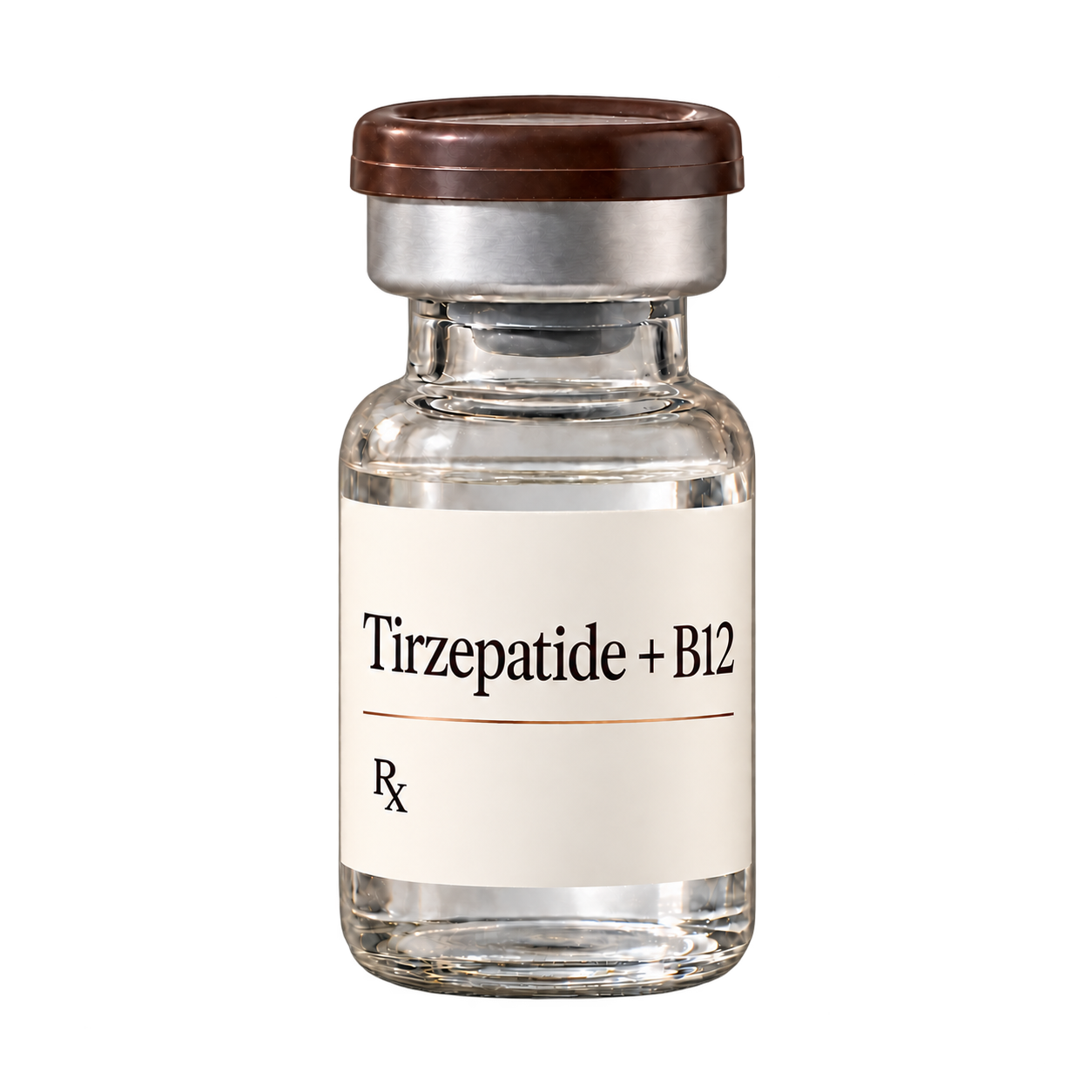
Mounjaro (tirzepatide) is a once-weekly injection approved to improve blood sugar in adults with type 2 diabetes. People also ask how it works for appetite and weight because it affects hormones that regulate hunger, insulin, and digestion. This page explains how does mounjaro work, how fast effects may start, and why timelines vary. If you are considering compounded tirzepatide, Vitals Vault can help you discuss options with a licensed clinician.
- How does mounjaro work? It activates GIP and GLP-1 receptors, improving blood sugar control and reducing appetite.
- It can slow stomach emptying, which may help you feel full but can cause nausea.
- Benefits build over time because dosing is increased gradually per the prescribing information.
- Results vary with dose, diet, activity, other medicines, and side effects tolerance.
How Mounjaro works, in plain language
Two hormone targets
Tirzepatide is a dual agonist, meaning it activates two receptors: GIP and GLP-1. These are incretin hormones your body normally releases after eating. By boosting these signals, tirzepatide helps your body handle glucose and appetite regulation more effectively.
More insulin when needed
GLP-1 and GIP activity increases insulin release in a glucose-dependent way, meaning the effect is stronger when blood sugar is higher. This is one reason the medicine can improve A1C in type 2 diabetes. It also reduces glucagon, a hormone that raises blood sugar.
Slower stomach emptying
Tirzepatide slows gastric emptying, which can reduce the speed at which food leaves your stomach. That can help you feel full sooner and longer, but it also helps explain common gastrointestinal side effects. The slowing effect is most noticeable after the first dose and lessens over time.
Lower appetite signals
GLP-1 receptor activation affects appetite centers in the brain and can reduce hunger and food intake. For many people, this shows up as earlier fullness, fewer cravings, or less interest in large portions. How noticeable this feels varies from person to person.
What those mechanisms mean for results and side effects
| What tirzepatide does | What you may notice | Why it varies |
|---|---|---|
| Improves insulin and glucagon signaling (GIP and GLP-1) | Lower fasting and after-meal blood sugar; improved A1C over time | Baseline A1C, other diabetes meds, adherence, and dose titration |
| Slows gastric emptying (especially early) | Feeling full sooner; nausea, bloating, reflux, constipation or diarrhea | Meal size and fat content, dose increases, and individual sensitivity |
| Acts on appetite regulation pathways | Lower appetite and reduced food intake for many people | Sleep, stress, alcohol, ultra-processed foods, and side effects tolerance |
| Can affect absorption timing of oral meds | Some pills may feel less predictable, especially early | Drug type, timing, and how strongly gastric emptying is slowed |
Common GI side effects
Nausea, diarrhea, decreased appetite, vomiting, constipation, indigestion, and abdominal pain are among the most common side effects in the prescribing information. They tend to happen more often during dose escalation. Eating smaller meals and avoiding very fatty meals may help some people, but discuss persistent symptoms with a clinician.
Low blood sugar risk
Tirzepatide can cause hypoglycemia (low blood sugar) when used with insulin or insulin secretagogues such as sulfonylureas. Symptoms can include sweating, shakiness, confusion, or fast heartbeat. A clinician may adjust other diabetes medicines to reduce risk.
Pancreatitis warning
Acute pancreatitis has been reported with GLP-1 receptor agonists, including tirzepatide. Seek urgent medical care for severe abdominal pain that may radiate to the back, with or without vomiting. Do not restart a GLP-1 medicine without clinician guidance if pancreatitis is suspected.
Gallbladder problems
Gallbladder disease (including cholelithiasis and cholecystitis) has been reported with GLP-1 receptor agonists. Contact a clinician promptly for right upper abdominal pain, fever, jaundice, or clay-colored stools. Rapid weight change and dehydration can also contribute to gallstone risk.
Kidney injury from dehydration
Nausea, vomiting, and diarrhea can lead to dehydration, which has been associated with acute kidney injury in people taking GLP-1 medicines. If you cannot keep fluids down, feel faint, or have reduced urination, contact a clinician urgently. Your care team may monitor kidney function, especially if you have kidney disease.
Thyroid C-cell tumor warning
Tirzepatide has a boxed warning about thyroid C-cell tumors based on animal studies. It is contraindicated in people with a personal or family history of medullary thyroid carcinoma or in people with Multiple Endocrine Neoplasia syndrome type 2. Tell a clinician right away about a neck lump, hoarseness, trouble swallowing, or shortness of breath.
How fast does Mounjaro work?
Blood sugar effects can start early
Because tirzepatide increases insulin secretion when glucose is elevated and reduces glucagon, some people notice lower glucose readings early in treatment. In clinical trials, A1C changes were assessed over months, and the full effect depends on reaching and tolerating an effective maintenance dose.
Appetite changes may be gradual
Some people feel reduced appetite or earlier fullness within the first weeks, while others notice it later. Dose escalation is designed to improve tolerability, so the appetite effect can strengthen as the dose increases. Side effects can also temporarily limit intake, which is not the same as a stable appetite change.
Weight change is measured over months
In studies of tirzepatide, weight outcomes were reported over longer follow-up, not days. If you are using tirzepatide for weight management, discuss realistic milestones and monitoring with a clinician, especially if you have diabetes or take other glucose-lowering medicines.
When to talk to a clinician about how it is working
You are not seeing expected changes
If your appetite, glucose readings, or other goals are not changing after dose escalation and consistent use, a clinician can review adherence, injection schedule, diet patterns, and interacting medicines. They can also check whether side effects are limiting nutrition or hydration. Do not change your dose on your own.
Side effects limit eating or fluids
Persistent nausea, vomiting, diarrhea, or constipation can interfere with hydration and nutrition. A clinician can help you decide whether symptom treatments, slower titration, or a different option is safer. Contact care urgently if you cannot keep fluids down.
You take insulin or sulfonylureas
Because hypoglycemia risk is higher when tirzepatide is combined with insulin or sulfonylureas, your regimen may need closer monitoring. Ask what symptoms to watch for and when to check glucose. Report any episodes of confusion, fainting, or severe low blood sugar.
You have thyroid cancer risk factors
Tirzepatide is contraindicated with a personal or family history of medullary thyroid carcinoma or MEN 2. If you have thyroid nodules, hoarseness, or a neck mass, discuss evaluation before and during treatment. Your clinician can help weigh risks and benefits.
Practical tips that can make the experience smoother
Expect a ramp-up period
Dose increases are designed to improve tolerability, so results often build over weeks.
Plan for GI sensitivity
Smaller meals and less fatty foods may help nausea for some people.
Hydration matters
If you have vomiting or diarrhea, dehydration can become a safety issue quickly.
Review other medicines
Because stomach emptying slows, ask if any oral meds need timing adjustments.
Track what you feel
Write down appetite, GI symptoms, and glucose patterns to share at follow-ups.
Frequently Asked Questions
How fast does Mounjaro work?
Some effects on blood sugar can begin early, but the full effect is typically assessed over weeks to months as dosing is increased and stabilized. Appetite and weight changes can be gradual and vary by dose and tolerability. Your clinician can help set monitoring expectations.
How does mounjaro work for weight loss?
Tirzepatide activates GIP and GLP-1 receptors, which can reduce appetite and slow stomach emptying, helping many people eat less. In studies, weight outcomes were measured over months, not days. Individual results depend on dose, lifestyle, and side effects.
Does Mounjaro work by speeding up metabolism?
It is not described in the prescribing information as a metabolism booster. Its main actions are on incretin receptors that affect insulin, glucagon, appetite, and stomach emptying. That can change how much you eat and how your body handles glucose.
Why do some people feel nothing at first?
Early doses are typically started low and increased gradually to improve tolerability, so effects can feel subtle at first. Appetite changes can also be masked by routine, stress, sleep, or dietary patterns. If you are concerned, discuss your timeline with a clinician.
Is compounded tirzepatide the same as Mounjaro?
No. Mounjaro is a brand product, while compounded tirzepatide is prepared by a licensed pharmacy for an individual prescription and is not FDA-approved. If you are considering compounded tirzepatide, a licensed clinician should review whether it is appropriate for you.