
How long does mounjaro side effects last?
How long do Mounjaro side effects last? Most are temporary and improve as your body adjusts, but some can last longer or signal a serious problem.
Key facts
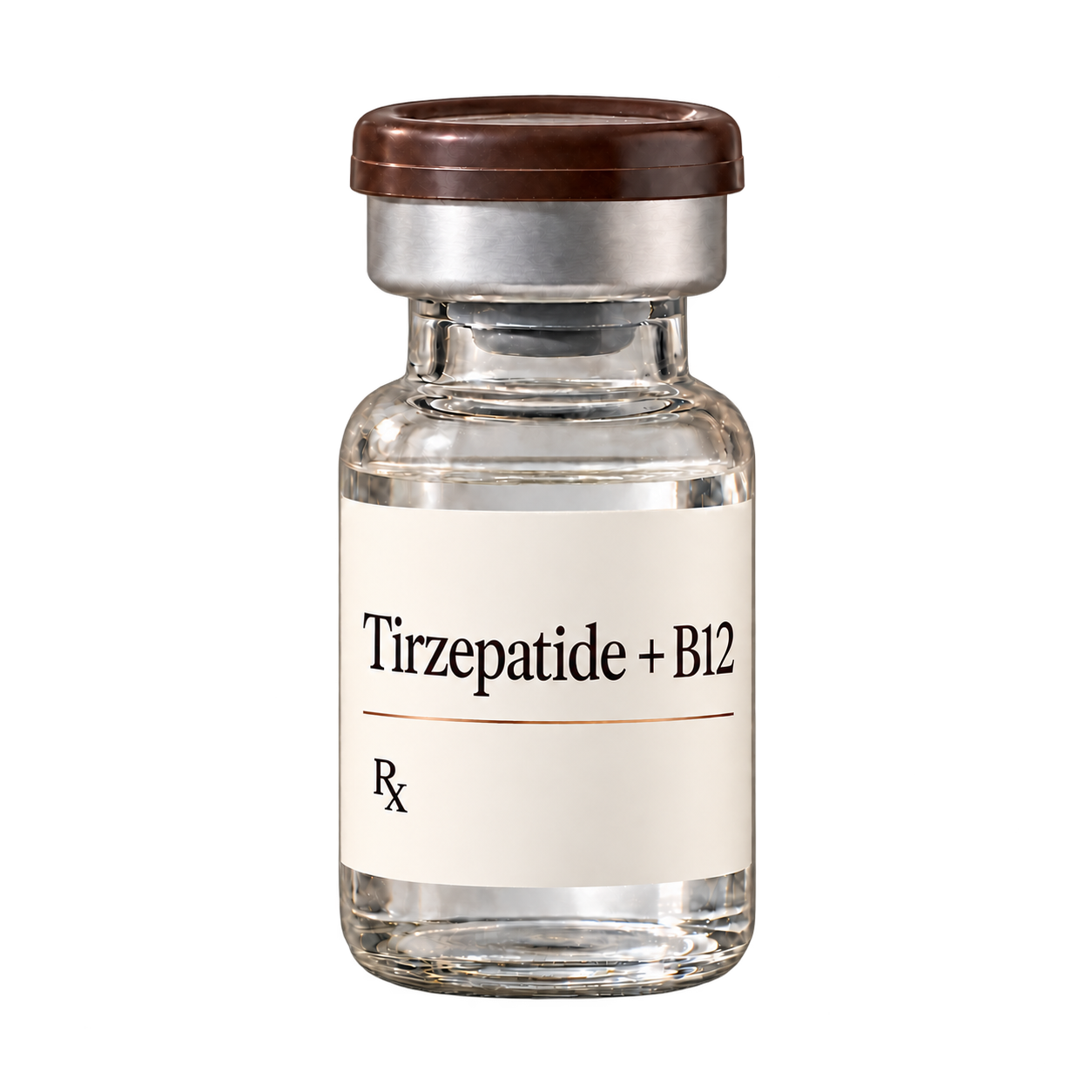
- Tirzepatide + B12 is $169/month (billed $169 every 4 weeks), charged only after a clinician approves it.
- Answer a few health questions online. A licensed clinician reviews them. If approved, it ships to your door.
- Adults 18 or older. A licensed clinician reviews your health history and decides whether treatment is appropriate for you. Availability depends on the state you live in.


If you are searching how long does mounjaro side effects last, the most accurate answer is: it depends on the symptom and where you are in treatment. Many side effects happen early or after a dose increase, then improve as your body adapts. This guide explains what the Mounjaro (tirzepatide) label reports, what can make symptoms last longer, and when to get medical help. If you want help interpreting what you are feeling, Vitals Vault can also help you start with labs and share results with a clinician.
- Most Mounjaro side effects are temporary and often ease as your body adjusts.
- GI effects like nausea and diarrhea are most common, especially after dose increases.
- Some symptoms should not be waited out, including severe belly pain or dehydration signs.
- If you stop tirzepatide, drug levels decline over weeks, so some effects can linger.
How long do Mounjaro side effects last?
Hours to a few days
Mild nausea, reduced appetite, burping, or a “full” feeling may be most noticeable right after an injection and then fade. Eating smaller meals and avoiding high fat meals can help some people tolerate these effects. If you cannot keep fluids down, contact a clinician.
Several days to weeks
Diarrhea, constipation, stomach pain, and vomiting can last longer, especially during the first weeks of treatment or after dose escalation. The Mounjaro label notes gastrointestinal reactions are common and can lead to dehydration. If symptoms are persistent, your clinician may reassess your plan.
Weeks after stopping
Tirzepatide has a long half-life, and the label reports it takes about 30 days for most of the drug to be eliminated after stopping. Because of that, some side effects may take time to fully settle. If symptoms continue or worsen, get evaluated for other causes.
What affects duration and what can help
Dose increases
Side effects are commonly reported during dose escalation. If symptoms flare after a dose change, they may improve as you stay on a stable dose. Do not change dosing on your own; ask your prescriber what to do.
Nausea
Nausea is among the most common reactions in the Mounjaro label. It often improves over time, but can last longer if you eat large meals, high fat foods, or eat quickly. If nausea is persistent or you cannot hydrate, contact a clinician.
Diarrhea or constipation
Diarrhea and constipation are also common on the label. These can last days to weeks and may recur after dose increases. Focus on hydration, and ask a clinician before using over-the-counter remedies if symptoms are significant or prolonged.
Vomiting and dehydration risk
Vomiting is listed as a common adverse reaction and can lead to dehydration. Dehydration can contribute to kidney problems, which are warned about in the label. Seek care if you have dizziness, fainting, very dark urine, or cannot keep fluids down.
Severe stomach pain (pancreatitis warning)
The label warns about acute pancreatitis. Severe abdominal pain that may radiate to the back, with or without vomiting, should not be waited out. Stop and seek urgent medical evaluation if these symptoms occur.
Gallbladder problems
GLP-1 based therapies are associated with acute gallbladder disease, and the Mounjaro label includes this warning. Right upper belly pain, fever, or yellowing of the skin or eyes needs prompt evaluation. These issues may not resolve without medical care.
When to call a clinician or seek urgent care
Call urgently for severe belly pain
Severe, persistent abdominal pain, especially if it spreads to your back or comes with vomiting, can be a warning sign of pancreatitis. The Mounjaro label advises prompt evaluation for suspected pancreatitis. Do not try to manage this at home.
Get help for dehydration symptoms
If vomiting or diarrhea is ongoing, you cannot keep fluids down, or you have dizziness, fainting, or very dark urine, seek medical help. The label warns dehydration can worsen kidney function. This is especially important if you already have kidney disease.
Seek care for allergic reactions
Swelling of the face, lips, tongue, or throat, trouble breathing, or widespread rash can signal a serious hypersensitivity reaction. The label warns about hypersensitivity reactions with tirzepatide. Treat this as an emergency.
Contact your prescriber for ongoing GI symptoms
If nausea, constipation, or diarrhea lasts more than a couple of weeks, keeps you from eating or drinking normally, or is getting worse, check in. Your clinician can assess hydration, rule out other causes, and decide whether your plan needs adjustment.
Practical tips that may make side effects shorter
Go smaller and slower
Smaller meals and slower eating can reduce nausea and “too full” feelings.
Choose lower fat foods
High fat meals can worsen nausea for some people on GLP-1 medicines.
Prioritize fluids
Hydration matters most if you have diarrhea or vomiting.
Track timing and triggers
Note symptom timing around injections, meals, and dose changes to share with your clinician.
Do not self-adjust dosing
If symptoms are hard to tolerate, ask your prescriber what to do next.
Frequently Asked Questions
How long does mounjaro side effects last after stopping?
The Mounjaro label reports the half-life of tirzepatide is about 5 days and it takes about 30 days for most of the drug to be eliminated. Because of that, some side effects can take time to fully fade. Persistent or worsening symptoms should be evaluated.
Do Mounjaro side effects get better over time?
They often can, especially gastrointestinal symptoms that are common early in treatment or after dose increases. The label notes GI reactions are common, and many people find they become more tolerable with time. If symptoms are severe or ongoing, contact your prescriber.
Why do side effects flare after a dose increase?
Dose escalation can increase how strongly tirzepatide slows stomach emptying and affects appetite and digestion, which can worsen nausea or bowel changes. This is why symptoms are often reported around dose changes. A clinician can help decide how to proceed safely.
When is nausea or vomiting on Mounjaro an emergency?
Seek urgent care if you cannot keep fluids down, have signs of dehydration, or have severe abdominal pain that does not go away. The label warns that severe GI reactions can lead to dehydration and kidney problems, and severe belly pain can signal pancreatitis. Do not wait these out.
Can Vitals Vault labs help if I feel unwell on tirzepatide?
Labs can help check for issues that may accompany symptoms, such as dehydration related electrolyte or kidney changes, and they can support evaluation when shared with a clinician. Labs do not diagnose the cause of symptoms by themselves. Severe or sudden symptoms need urgent care.